 Visa Lawyer Blog


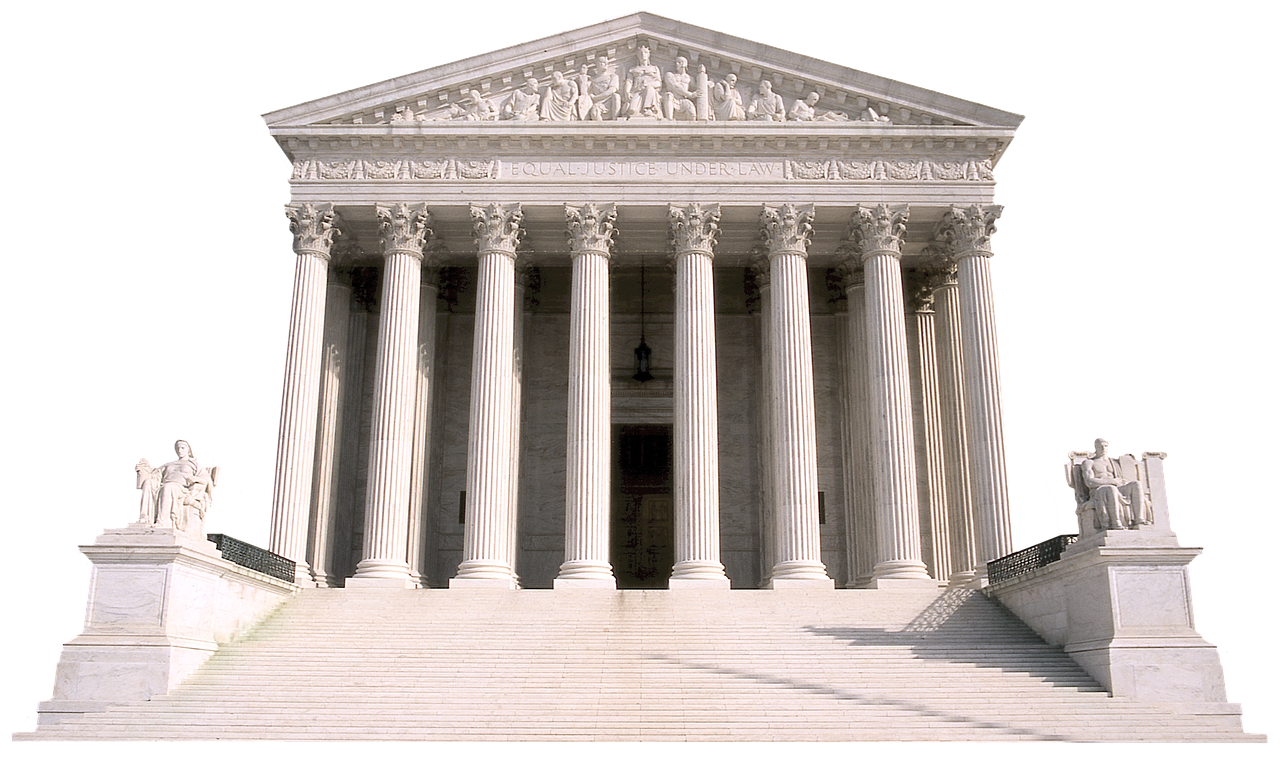 On November 13, 2026, the U.S. Supreme Court took up a challenge to the Trump administration’s policy restricting access to asylum for migrants arriving at the southern border, setting up a major legal dispute over presidential authority and the immigration protections established by Congress.
The Story Behind the Case
According to an Associated Press report, the justices agreed to hear Mullin v. Refugee and Immigrant Center for Education and Legal Services (RAICES), a challenge to Presidential Proclamation 10888, issued by Trump on January 20, 2025. The proclamation declared an invasion at the southern border, suspended the entry of certain migrants and restricted their access to asylum, including individuals presenting themselves at official ports of entry who do not meet specified exceptions.
The Trump administration relies on Sections 212(f) and 215(a) of the Immigration and Nationality Act (INA), which grant the president broad authority to suspend or restrict the entry of foreign nationals.
However, immigration-rights organizations argue that these powers cannot override Section 208 of the INA, which allows individuals physically present in or arriving in the United States to apply for asylum, regardless of their immigration status or whether they entered through an official port.
The Road to the Supreme Court
A federal district court and the U.S. Court of Appeals for the D.C. Circuit previously found President Trump’s policy unlawful, concluding that the administration had bypassed immigration procedures established by Congress. However, the appellate court’s ruling remains on hold while the case proceeds, allowing the restrictions to remain in force.
The case is now before the Supreme Court, which faces two pivotal questions with far-reaching consequences: whether the president can effectively shut down access to asylum at the border and whether federal courts can block such restrictions nationwide.
At stake is not only the legality of Trump’s asylum restrictions, but also whether courts can step in to protect entire groups of migrants from policies that violate federal immigration law.
What’s at Stake for Asylum Seekers
The outcome could establish important limits on presidential authority over asylum and determine whether future administrations can use executive orders to restrict access to protections established by Congress. For migrants fleeing persecution, the case could affect their ability to seek asylum and obtain protection before removal. The Court is expected to hear arguments during its current term and issue a decision by the end of June 2027.
Regardless of how the Court ultimately rules, preparation is essential. Individuals who may be affected by changes to asylum policy should understand their legal rights, have an emergency plan in place, and know how to access qualified legal assistance.
Keep important immigration documents readily available, memorize your attorney’s phone number, and make sure trusted family members know whom to contact if you are detained or face removal proceedings.
Do not wait until you are in a crisis to seek guidance or understand your options. Know your rights, have a plan, and make sure you have a trusted immigration attorney.
Contact Us. If you would like to schedule a consultation, please text 619-483-4549 or call 619-819-9204.
Helpful Links
- November Visa Bulletin
- Adjustment of Status Filing Dates from Visa Bulletin
- Know your Rights if ICE visits your home or workplace
- Know your Rights Card (English)
- Know your Rights Card (Spanish)
- ICE Online Detainee Locator System
- ICE Immigration Detention Facilities
- USCIS Processing Times
- ImmigrationLawyerBlog
- ImmigrationU Membership
- Success stories
- Youtube channel
JOIN OUR NEW FACEBOOK GROUP
Need more immigration updates? We have created a new facebook group to address the impact of the new executive orders and other changing developments. Follow us there!