 Visa Lawyer Blog


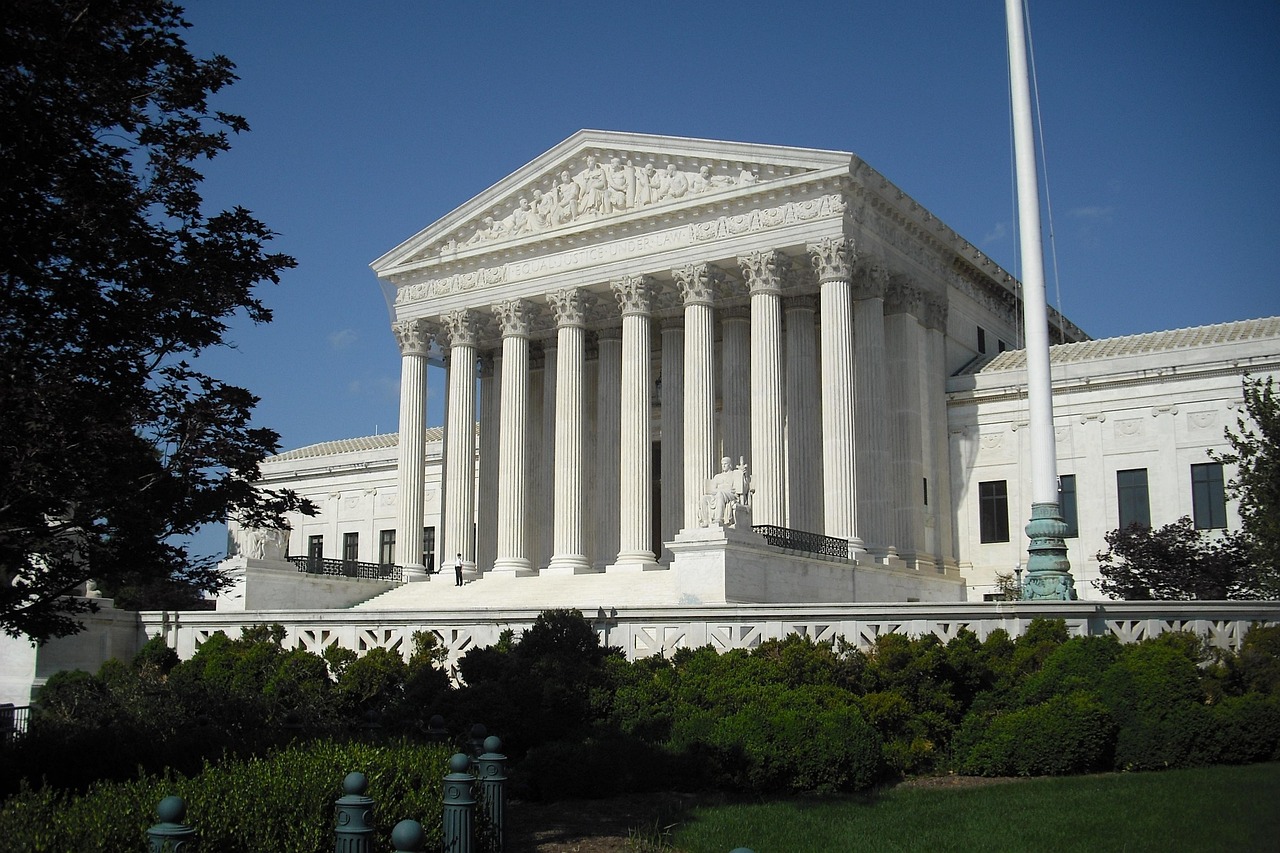 Last week, the U.S. Supreme Court handed down a troubling decision that could strip legal status from hundreds of thousands of Venezuelans currently living in the United States under Temporary Protected Status (TPS).
On Friday, the Court granted the Trump administration’s request to halt a lower court ruling that found the administration’s cancellation of TPS protections for Venezuelans unlawful. The unsigned order from the Court effectively allows the government to proceed, for now, with its plans to revoke temporary protections that had shielded Venezuelan nationals from deportation and granted them employment authorization.
TPS was created in 1990 as a humanitarian safeguard for individuals whose home countries are experiencing extraordinary crises such as armed conflict, environmental disasters, or other temporary but severe disruptions. Venezuela was designated for TPS in 2021 under President Biden, in response to the country’s severe economic collapse, widespread human rights abuses, and political instability.
Since then, approximately 300,000 Venezuelans have relied on that protection to live and work legally in the U.S., building lives, paying taxes, and raising families.
Trump Administration Moves to Strip Venezuela’s TPS Designation
But the political tides have shifted. When the Trump administration returned to office, it appointed Kristi Noem as Secretary of Homeland Security. Earlier this year, Noem moved to revoke Venezuela’s TPS designation, arguing that conditions in the country had improved and that continuing the program was no longer in the national interest. That decision sparked immediate legal challenges. A coalition of Venezuelan TPS recipients and advocacy groups sued, claiming the administration’s actions were arbitrary, rushed, and in violation of federal law.
Their arguments found support in U.S. District Judge Edward Chen, who ruled that the cancellation was unlawful and ordered TPS protections to be reinstated. But that victory was short-lived. The Supreme Court’s latest intervention places Judge Chen’s ruling on hold, giving the administration the green light to continue phasing out TPS protections for Venezuelans while litigation continues.
The decision came through what’s often called the Court’s “shadow docket” — emergency rulings made without full briefing or oral arguments. Though procedural in nature, such decisions have far-reaching impacts. In this case, the hold means that thousands of Venezuelans could soon lose work authorization, face legal uncertainty, and be at risk of deportation.
In her dissent, Justice Ketanji Brown Jackson criticized the majority’s use of emergency powers, warning that the Court was again making major immigration policy decisions without proper deliberation. Justices Sonia Sotomayor and Elena Kagan also dissented.
What this means for Venezuelan TPS Beneficiaries
For Venezuelan families who have lived in the U.S. for years, the ruling is a devastating blow. Many TPS holders are parents to U.S.-born children, homeowners, and integral members of their communities. The idea of “temporary” protection becomes far more complicated when someone has built their life over the course of several years in the only place they now call home.
Given the uncertain future of Venezuela’s TPS designation, Venezuelan TPS holders are advised to consult with an immigration attorney promptly to explore alternative options for maintaining their legal status in the United States.
Looking Ahead
The legal battle is far from over — the plaintiffs can still pursue appeals in hopes of overturning the government’s plans. At the same time, Congress could intervene by passing legislation that grants Venezuelan TPS holders permanent protections or creates a more stable legal status. But with the current political climate in Washington, that path is anything but guaranteed.
This moment also raises broader questions about the fragility of humanitarian protections in the U.S. immigration system. TPS was never meant to be permanent, but for many who have fled devastating conditions and rebuilt their lives here, returning is not a realistic or safe option. When the authority to grant or revoke TPS rests so heavily in the hands of the executive branch, vulnerable populations remain at the mercy of politics, often with little warning or recourse.
For now, Venezuelan families across the U.S. are watching, waiting, and hoping that the courts — or Congress — will eventually offer them the certainty and compassion they’ve long deserved.
Contact Us. If you would like to schedule a consultation, please text 619-483-4549 or call 619-819-9204.
Helpful Links
- Supreme Court lets Trump end deportation protections for 300,000 Venezuelans
- October Visa Bulletin
- Adjustment of Status Filing Dates from Visa Bulletin
- Know your Rights if ICE visits your home or workplace
- Know your Rights Card (English)
- Know your Rights Card (Spanish)
- ICE Online Detainee Locator System
- ICE Immigration Detention Facilities
- USCIS Processing Times
- ImmigrationLawyerBlog
- ImmigrationU Membership
- Success stories
- Youtube channel
JOIN OUR NEW FACEBOOK GROUP
Need more immigration updates? We have created a new facebook group to address the impact of the new executive orders and other changing developments. Follow us there!