 Visa Lawyer Blog


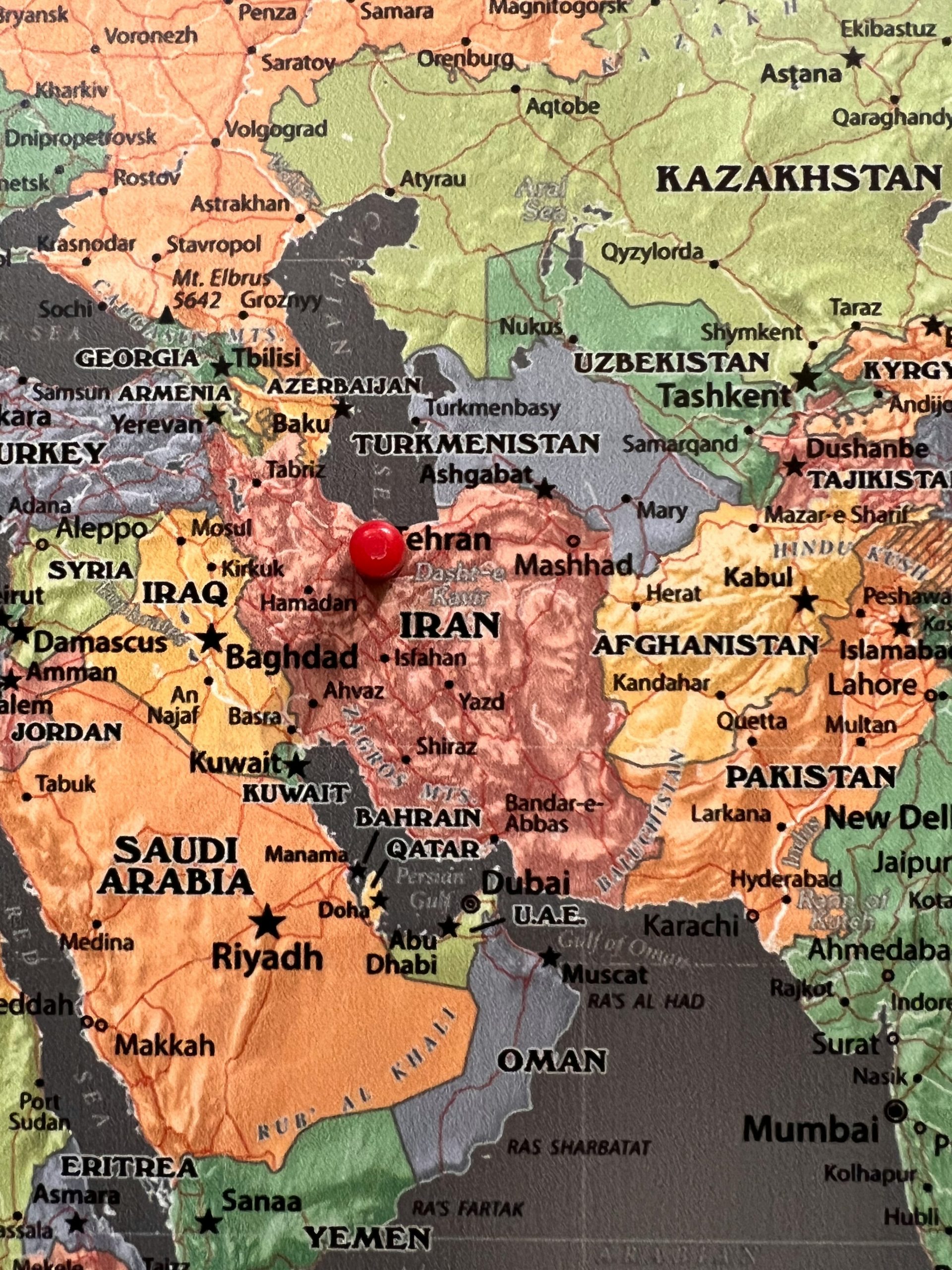
Rising tensions in the Middle East are causing immediate disruptions to visa processing and international travel across the region. According to the State Department, several embassies throughout the Middle East have halted or significantly limited visa services following airstrikes targeting Iran and subsequent retaliatory actions.
The situation is fluid and is evolving on a daily basis.
Widespread Travel Disruptions Across the Middle East
The escalating security situation has triggered widespread travel interruptions throughout the region. Airspace closures have been reported in Iran, Israel, Kuwait, the United Arab Emirates, Bahrain, Iraq, and Qatar. Airlines have suspended flights throughout the region, and there are reports of land border closures and shelter-in-place advisories in several countries.
These disruptions are expected to significantly affect visa issuance, passport returns, and the movement of workers.
U.S. Embassy Visa Services Suspended or Limited
The following U.S. diplomatic missions across the region have implemented operational changes, including canceled appointments, and the suspension of routine visa services until further notice.
- United Arab Emirates: The U.S. Embassy in Abu Dhabi and the U.S. Consulate in Dubai canceled all visa and U.S. citizen services appointments from March 2–4 while personnel sheltered in place.
- Beirut: Since February 23rd non-emergency personnel have departed and all consular visa services have been suspended.
- Qatar: Routine consular appointments at the U.S. Embassy in Doha have been canceled due to ongoing security concerns until further notice.
- Israel: The U.S. Embassy in Jerusalem and the Tel Aviv branch office have suspended all routine visa services through March 13 and are prioritizing assistance to U.S. citizens.
- Jordan: The U.S. Embassy in Amman issued a shelter-in-place directive and visa services are suspended for the foreseeable future.
- Kuwait: Embassy personnel have been ordered to shelter in place and all routine visa have been suspended.
- Dubai: The U.S. Embassy in Abu Dhabi and the Dubai branch office issued a shelter-in-place directive and all routine visa services and appointments have been postponed.
- Pakistan: The State Department has ordered non-emergency U.S. government employees from U.S. Consulates Lahore and Karachi to leave Pakistan due to safety risks. At the U.S. Embassy Islamabad, the consulate will not be open for routine services on March 6, but staff remain available for emergency services only.
- Cyprus: The State Department ordered non-emergency U.S. government employees to leave Cyprus due to the threat of armed conflict. All routine visa services and U.S. Citizen services have been suspended.
- Saudi Arabia: The U.S. Mission in Saudi Arabia has suspended all routine and emergency consular services until further notice. The State Department has authorized non-emergency U.S. government employees to leave Saudi Arabia. The U.S. Consulate in Dhahran has specifically ordered the public to stay away from the area due to ongoing attacks and security concerns.
What U.S. Visa Applicants and Employers Should Expect
Visa applicants in the region and employers should anticipate significant delays and disruptions in visa processing during this time. Likely impacts include:
- Appointment cancellations and delayed rescheduling
- Extended administrative processing times
- Delays in passport returns
- Possible ripple effects at consular posts outside the immediate region
- Emergency appointments limited to humanitarian or urgent national-interest cases
Key Steps Employers Should Take Now
Organizations with personnel in the Middle East should take immediate precautions. Recommended actions include confirming the safety and location of employees, reviewing travel plans, and suspending non-essential travel.
Employers should also verify employees’ visa status and maintain clear communication with affected personnel.
Outlook for Visa Processing in the Region
The regional security environment remains volatile and could lead to additional embassy closures and expanded travel restrictions in the coming days. As conditions continue to change rapidly, visa applicants should monitor embassy websites and official government updates regularly.
Travel Bans
Please be aware that the U.S. Department of State announced an indefinite pause on immigrant visa issuance for nationals of 75 countries, effective January 21, 2026, while it develops a process to evaluate whether applicants may become financially dependent on the U.S. government under the public charge standard.
During this suspension, U.S. consular posts may still accept applications and conduct interviews, but they cannot print or issue immigrant visas (including family- and employment-based green cards) for affected applicants until the new policy is implemented.
Countries in the Middle East subject to the immigrant visa ban include Afghanistan, Iran, Iraq, Jordan, Kuwait, Lebanon, Libya, Syria, and Yemen.
Non-immigrant visas are not subject to the travel ban.
The Law Offices of Jacob Sapochnick is carefully monitoring the developments in the region and will provide further information as it becomes available.
Contact Us. If you would like to schedule a consultation, please text 619-483-4549 or call 619-819-9204.
Helpful Links
- March Visa Bulletin
- Adjustment of Status Filing Dates from Visa Bulletin
- U.S. Embassies and Consulates
- Know your Rights if ICE visits your home or workplace
- Know your Rights Card (English)
- Know your Rights Card (Spanish)
- ICE Online Detainee Locator System
- ICE Immigration Detention Facilities
- USCIS Processing Times
- ImmigrationLawyerBlog
- ImmigrationU Membership
- Success stories
- Youtube channel
JOIN OUR NEW FACEBOOK GROUP
Need more immigration updates? We have created a new facebook group to address the impact of the new executive orders and other changing developments. Follow us there!