Articles Posted in I-20

8000143255_e02292c05d_z

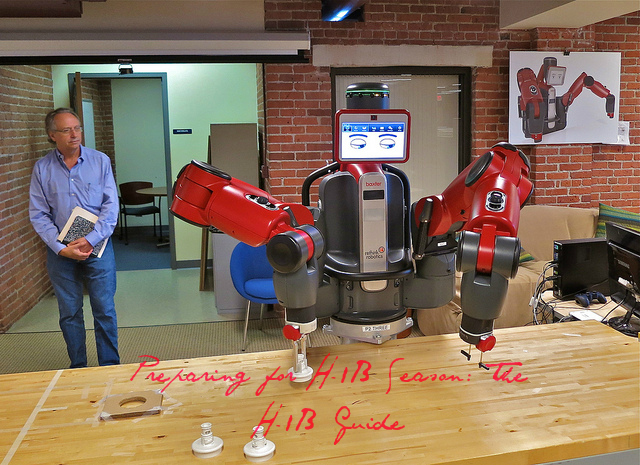
What is the H-1B Visa? The H-1B visa is a work visa that is awarded on a lottery basis. The H-1B visa program allows American companies and/or qualifying organizations to employ foreign workers to fill specialty occupations temporarily. The foreign worker must posses a combination of education, specialized training, and/or experience that is equivalent to training acquired by the attainment of a U.S. bachelor’s or higher. The H-1B program was first enacted by Congress with the intention of helping American employers seek out distinguished foreign workers, possessing the skills and abilities necessary to perform the duties of the specialty occupation. The H-1B program has remained popular because it has allowed American employers to remain competitive and provides highly skilled foreign workers a path to permanent residence.

The provisions of the H-1B visa program allow qualified foreign workers to attain temporary employment having met specific requirements. H-1B visa recipients typically work in the STEM fields as scientists, engineers, computer programmers, software developers, business analysts, etc. although fashion models are also classified under the H-1B category.

USCIS will begin to accept H-1B cap-subject petitions for fiscal year 2017 beginning April 1, 2016. April 7, 2016 is the absolute deadline to file an H-1B cap-subject petition. Please note: employers cannot file an H-1B petition for an employee more than 6 months before the employee’s intended start date. If accepted, H-1B visa workers can begin employment by October 1st. The H-1B visa is issued for up to three years but may be extended for another three years.

Continue reading

317775677_53964625b8_z

International students seeking a STEM Optional Practical Training (OPT) extension must be aware that the Department of Homeland Security (DHS) has not yet published a replacement rule authorizing further STEM OPT extensions, this following a court decision prohibiting DHS from allowing 17 month extensions to be issued. The OPT program allows foreign students the right to seek temporary employment during or following their studies in the United States. On August 12th of this year a court decision invalidated the processing of a DHS rule allowing a 17 month STEM OPT extension program to take place, due to procedural errors. The court’s ruling will be officially enforced on February 12, 2016 in an effort to delay hardships STEM students are likely to experience, and the disruption of employment among technology companies and relevant sectors. The delay also allows DHS to present a new rule before February 12, 2016.

With time running out (4 workdays to be exact) no such rule has since been released by DHS. While DHS has not communicated any changes to international student offices, we expect that any new rulings will have no impact on the initial 12-month OPT program. Until further clarification is provided by DHS, universities are authorized to continue to produce I-20 forms for STEM extensions. In fact, most universities are continuing to accept applications for STEM extensions, regardless of DHS’ failure to publish a new rule within the given time. Students should heed with caution if they wish to file an application for extension, as they may risk forfeiting money spent on such applications. EAD cards already issued under the existing STEM program are considered valid until further notice. DHS mandated employment reports and regular attendance should continue as normal. Students should make sure to abide by the strict unemployment limits of OPT, regardless of these developments.

Continue reading