Visa Lawyer Blog


In this segment, we bring you the latest immigration news. This month, the U.S. Department of Homeland Security released a status report on border security in the Southwestern border region. In other news we provide you with an update on the Proposed International Entrepreneur Rule, and finally we would like to remind our readers to tune into the final Presidential Debate on October 18th.
Department of Homeland Security Releases Report on Border Security for the Southwestern Border Region
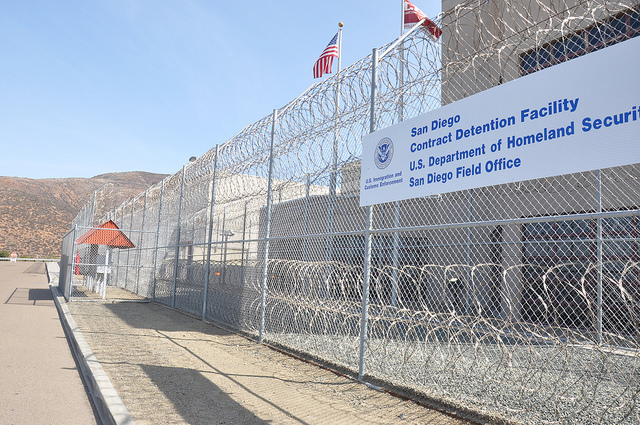
On October 17, 2016 the Secretary of the U.S. Department of Homeland Security, Jeh Johnson, released a report on the state of border security in the Southwestern region of the United States for fiscal year 2016. The Secretary reported that the total apprehensions by border patrol on the southwestern border have increased, relative to the previous fiscal year. During fiscal year 2016 there were a total of 408,870 unlawful attempts to enter the United States border without inspection by a border patrol officer. Although the number of apprehensions during this fiscal year were higher than the previous year, the number of apprehensions in fiscal years 2013 and 2014 were much higher than fiscal year 2016. Johnson also reported that illegal migration in this region has changed demographically. Today, there are fewer Mexican foreign nationals and adults attempting to cross the Southwestern border illegally. The problem now is that more families and unaccompanied children from Central America are making the dangerous trek from Central America to the United States, fleeing gang related violence, organized crime, and poverty. In 2014 for the first time in history, the number of Central Americans apprehended on the Southern border outnumbered Mexican nationals. The same phenomenon occurred during fiscal year 2016.
How is DHS dealing with the influx of undocumented immigrants from Central America?
DHS is struggling to deal with this humanitarian crisis. Thus far the United States has implemented an in-country referral program for foreign nationals of Honduras, El Salvador, and Guatemala. The program gives certain immigrants the opportunity to apply for refugee protection in the United States. DHS has also expanded the categories of individuals that may be eligible for the Central American Minors program, although adults may only qualify for this program if they are accompanied by a qualified child. The Government of Costa Rica and the United Nations High Commissioner for Refugees and the International Organization for Migration have developed a protection transfer agreement to relocate unaccompanied children and their families to safer regions. DHS was given $750 million in Congressional funds this fiscal year to provide support and assistance to this vulnerable population of migrants. Johnson recognized that there is much work to be done to secure and border, while at the same time addressing the need for comprehensive immigration reform.