Articles Posted in J Visa

visa-3653493_1920

UPDATE: Today, Monday June 22, 2020, President Trump signed a new executive order entitled, “Proclamation Suspending Entry of Aliens Who Present a Risk to the U.S. Labor Market Following the Coronavirus Outbreak,” extending the April 22nd Presidential Proclamation and adding new restrictions for nonimmigrant workers who “pose a risk of displacing and disadvantaging United States workers during the coronavirus recovery,” including H-1B, H-2B, J, and L nonimmigrant workers.

According to the executive order, the entry of these nonimmigrants “presents a significant threat to employment opportunities for Americans affected by the extraordinary economic disruptions caused by the COVID-19 outbreak.”


When does the order apply?


The order is effective at 12:01 am eastern daylight time on June 24, 2020 and will last through December 31, 2020, suspending the entry of certain immigrant and nonimmigrant aliens as outlined here. Within 30 days of June 24, 2020 (on July 24th), and every 60 days thereafter while the proclamation is in effect, the Secretary of Homeland Security will, in consultation with the Secretary of State and the Secretary of Labor, recommend any modifications to the order.


When does the order terminate?


The proclamation terminates on December 31, 2020 and can be continued by the government as necessary.


Will the April 22nd Proclamation Be Extended?


Yes, the second paragraph of the new executive order states, “In Proclamation 10014 of April 22, 2020, …I determined that …the United States faces a potentially protracted economic recovery with persistently high unemployment if labor supply outpaces labor demand.  Consequently, I suspended, for a period of 60 days, the entry of aliens as immigrants, subject to certain exceptions… Given that 60 days is an insufficient time period for the United States labor market …to rebalance… considerations present in Proclamation 10014 remain.” This means the April 22nd proclamation will continue until at least December 31st and all conditions subject to that proclamation will continue to remain in place.
Continue reading

president-5161887_1920

UPDATE: Please see our blog post here for the complete details of the newly released order. 

Today, Monday June 22, 2020, President Trump is expected to sign a new executive order that will extend his previous April 22nd order set to expire today, and will extend restrictions to apply to H-1B, H-2B, L-1, and J foreign workers to protect American jobs as the economy recovers from the COVID-19 lockdowns nationwide. The new executive order is expected to pause new H-1B visa petitions for foreign workers, H-2B visas for nonagricultural seasonal workers, certain J work and education exchange visitor visas, and L executive transfer visas for managers of multinational corporations. The President confirmed issuance of the order in a recent interview with Fox News.

The executive order is expected to be in effect until at least the end of the year and will not impact those who have already been issued or approved an H, L, or J visa.

Although the executive order has not yet been released to the public, a senior official from the Trump administration has spoken to the media on condition of anonymity confirming the issuance of the order. The official stated that the administration has justified issuance of the new order as a way to eliminate competition with foreign workers and make jobs available to American workers during this pandemic.

To read the April 22nd proclamation click here.


Are there any exemptions?


Yes. The order will include a number of exemptions for food processing workers seeking H-2B visas, H-2A agricultural workers, health care professionals working to mitigate the effects of COVID-19, J-1 medical physicians, cases that are deemed in the national interest, as well as all other exemptions originally included in the April 22nd Presidential proclamation which are as follows:

Continue reading

chuttersnap-aku7Zlj_x_o-unsplash-scaled

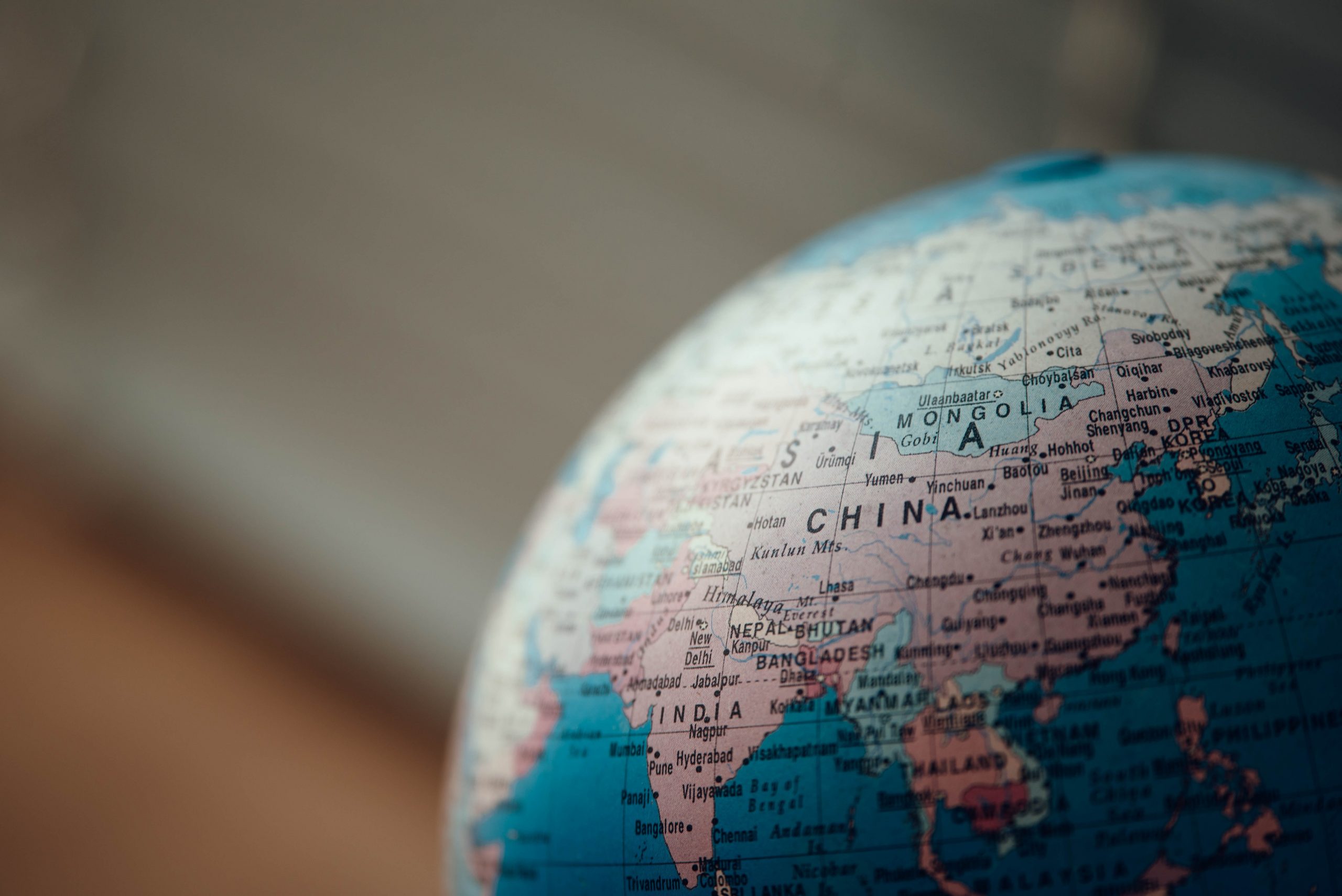
The Trump administration is setting their sights on a new enemy: students and researchers of the People’s Republic of China. A new presidential proclamation, “Proclamation on the Suspension of Entry as Nonimmigrants of Certain Students and Researchers from the People’s Republic of China,” issued on May 29, 2020, will temporarily suspend the entry into the United States of Chinese nationals seeking to enter the United States on an F or J visa to study or conduct research in the United States, except for student seeking to pursue an undergraduate course of study. The proclamation goes into effect at 12:00 pm (ET) today June 1, 2020 and will remain in effect until terminated by the President.  

Specifically, the proclamation limits the People’s Liberation Army’s (PLA) ability to misuse nonimmigrant F student and J researcher visa programs.


Who will be suspended?


F or J Chinese nationals entering to study or conduct research in the United States and who either

  • Currently “receive funding from or who currently is employed by, studies at, or conducts research at or on behalf of… an entity in the PRC that implements or supports the PRC’s ‘military-civil fusion strategy’,” or
  • In the past “has been employed by, studied at, or conducted research at or on behalf of… an entity in the PRC that implements or supports the PRC’s ‘military-civil fusion strategy'”

The proclamation defines “military-civil fusion strategy” as “actions by or at the behest of the PRC to acquire and divert foreign technologies, specifically critical and emerging technologies, to incorporate into and advance the PRC’s military capabilities.”

Section 1 exempts F and J undergraduate students from the proclamation. In addition, graduate students and researchers are also exempt from the proclamation if they do not have any of the specific current or past funding, employment, study, or research nexuses with “an entity in the PRC that implements or supports the PRC’s ‘military-civil fusion strategy’.”


Why the Proclamation?


The proclamation was issued to protect the country’s national and economic security from attempts by the People’s Republic of China “to illicitly acquire American technology and intellectual property from our academic institution and research facilities for Chinese military ends.”

According to the Department of State, “[the country’s] concern is with the malign actions of the Chinese Communist Party and specific individuals, not with the Chinese people.” These actions were made as “a direct consequence of PRC government strategies and policies that exploit the access of some of China’s brightest graduate students and researchers, in targeted fields, to divert and steal sensitive technologies and intellectual property from U.S. institutions, taking undue advantage of our [country’s] open and collaborative academic and research environment.”

The U.S. government is particularly concerned that U.S. graduate students and researches will be targeted, co-opted, and exploited by the government of the People’s Republic of China for military gain.

Continue reading

ashkan-forouzani-IXSgwfBGnCg-unsplash-scaled
In this post we bring you the latest immigration related COVID-19 updates. During this difficult time, we would like to extend our heartfelt regards to you and your families. We hope you are staying safe and taking the necessary precautions to prevent the spread of COVID-19. The sooner we abide by government measures, the sooner we can overcome this pandemic as a Nation. Additionally, please remember that although our office is closed to the public, we continue to function behind the scenes to file your petitions on a timely basis. If you have any questions regarding your immigration options, or your currently pending case, we would be glad to assist you by telephone, Zoom, or Skype.

President Extends Federal Social Distancing Guidelines to April 30

This past Sunday, March 29, 2020, the President of the United States extended the Nation’s social distancing guidelines for another 30 days, following warnings from health advisers of the serious consequences that could result if Americans were allowed to return to normal life. Pursuant to this order, social time will continue to be limited only to necessary outings such as grocery shopping, medical appointments, etc. until April 30.