Articles Posted in Lebanon

mana5280-XiF1p97u3fc-unsplash-scaled

Rising tensions in the Middle East are causing immediate disruptions to visa processing and international travel across the region. According to the State Department, several embassies throughout the Middle East have halted or significantly limited visa services following airstrikes targeting Iran and subsequent retaliatory actions.

The situation is fluid and is evolving on a daily basis.

Widespread Travel Disruptions Across the Middle East


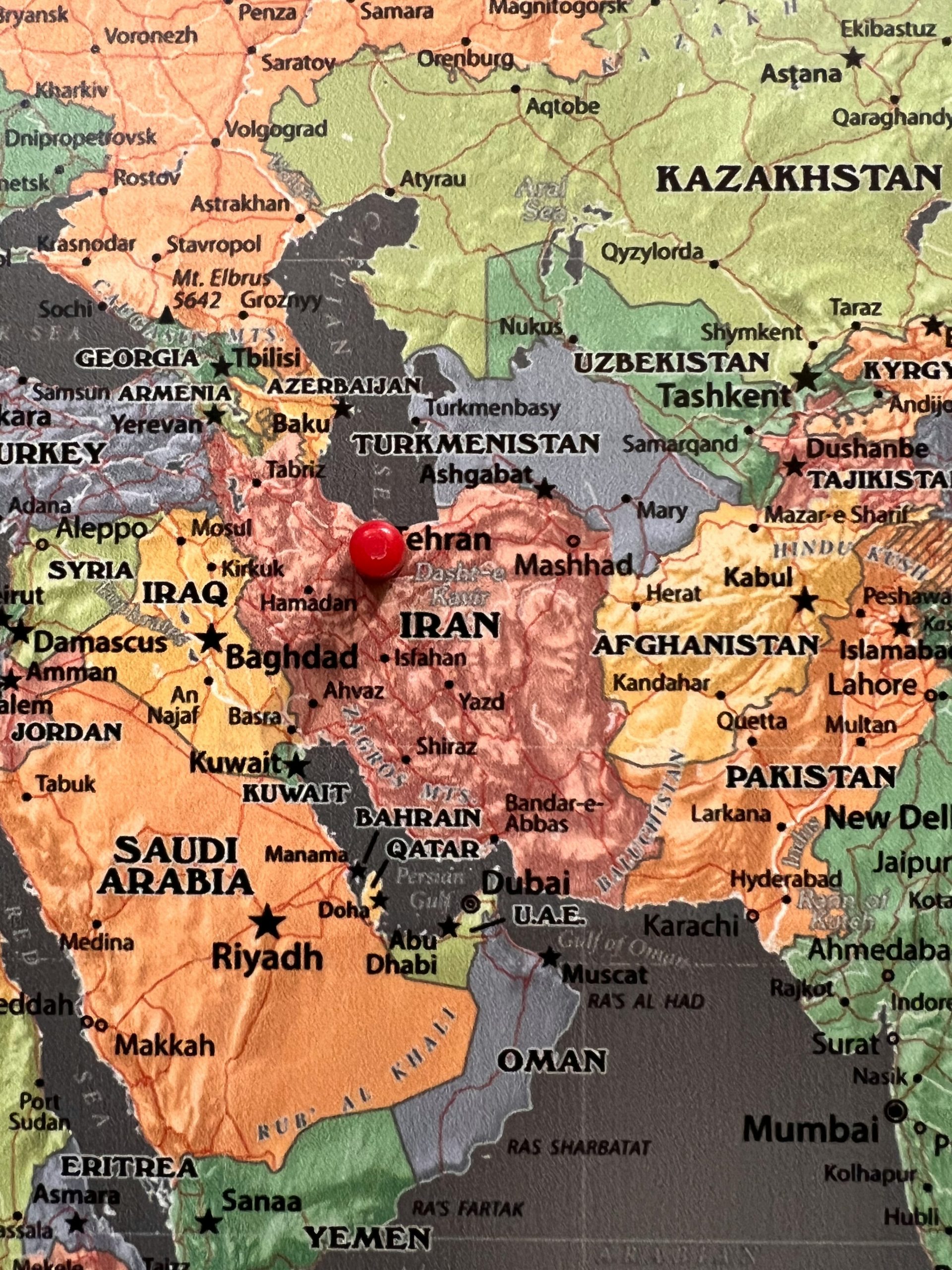
The escalating security situation has triggered widespread travel interruptions throughout the region. Airspace closures have been reported in Iran, Israel, Kuwait, the United Arab Emirates, Bahrain, Iraq, and Qatar. Airlines have suspended flights throughout the region, and there are reports of land border closures and shelter-in-place advisories in several countries.

These disruptions are expected to significantly affect visa issuance, passport returns, and the movement of workers.

U.S. Embassy Visa Services Suspended or Limited


The following U.S. diplomatic missions across the region have implemented operational changes, including canceled appointments, and the suspension of routine visa services until further notice.

  • United Arab Emirates: The U.S. Embassy in Abu Dhabi and the U.S. Consulate in Dubai canceled all visa and U.S. citizen services appointments from March 2–4 while personnel sheltered in place.
  • Beirut: Since February 23rd non-emergency personnel have departed and all consular visa services have been suspended.
  • Qatar: Routine consular appointments at the U.S. Embassy in Doha have been canceled due to ongoing security concerns until further notice.
  • Israel: The U.S. Embassy in Jerusalem and the Tel Aviv branch office have suspended all routine visa services through March 13 and are prioritizing assistance to U.S. citizens.
  • Jordan: The U.S. Embassy in Amman issued a shelter-in-place directive and visa services are suspended for the foreseeable future.
  • Kuwait: Embassy personnel have been ordered to shelter in place and all routine visa have been suspended.
  • Dubai: The U.S. Embassy in Abu Dhabi and the Dubai branch office issued a shelter-in-place directive and all routine visa services and appointments have been postponed.
  • Pakistan: The State Department has ordered non-emergency U.S. government employees from U.S. Consulates Lahore and Karachi to leave Pakistan due to safety risks.  At the U.S. Embassy Islamabad, the consulate will not be open for routine services on March 6, but staff remain available for emergency services only.
  • Cyprus: The State Department ordered non-emergency U.S. government employees to leave Cyprus due to the threat of armed conflict. All routine visa services and U.S. Citizen services have been suspended.
  • Saudi Arabia: The U.S. Mission in Saudi Arabia has suspended all routine and emergency consular services until further notice. The State Department has authorized non-emergency U.S. government employees to leave Saudi Arabia. The U.S. Consulate in Dhahran has specifically ordered the public to stay away from the area due to ongoing attacks and security concerns.


Continue reading

couple-7445474_1280Recently, the Department of State released guidance to assist U.S. Citizens petitioning for family members in Lebanon.

Here are the highlights:

  • To facilitate family reunification, full immigrant visa processing has resumed for Lebanese family members of U.S. citizens, at the U.S. Embassy in Beirut.
  • Routine nonimmigrant visa processing is not yet available. Individuals may apply for a nonimmigrant visa at any U.S. embassy or consulate.

Immigrant Visa Information


The National Visa Center (NVC) will directly email petitioners, beneficiaries, and representatives of spouses, children under 21, and parents of U.S. citizens with approved I-130 petitions to provide an immigrant visa interview appointment date and instructions.  Applicants must check their email for updates.

Immigrant visa cases will continue to be processed according to the final action date published in the Visa Bulletin.  In November/December, the U.S. Embassy in Beirut will schedule visa interviews for currently eligible family preference immigrant visa cases and nonimmigrant Fiancé (K-1) visa cases.  

Case Transfers from Beirut to Other Embassies/Consulates


Individuals wishing to transfer their immigrant visa case from the U.S. Embassy in Beirut to another U.S. embassy or consulate may contact NVC via the Public Inquiry Form and in the “Enter Your Inquiry Below” box, include:

    • The U.S. embassy or consulate where they would like their case transferred; and
    • Likely dates of travel and preferred date for a new appointment.

Applicants must arrange their own travel to an alternate embassy or consulate for their visa appointment, including complying with any visa requirements for entering that country to attend their visa appointment.

Continue reading

border-6971270_1280Today, October 17, 2024, the U.S. government announced new measures providing immigration relief to Lebanese nationals currently residing inside the United States.

18-Month Designation of TPS for Lebanon


Firstly, the Department of Homeland Security (DHS) has announced the designation of Lebanon for Temporary Protected Status (TPS) for a period of 18 months. This decision marks Lebanon’s first designation for TPS.

This designation was made based on ongoing armed conflict and extraordinary and temporary conditions in Lebanon that prevent its nationals from safely returning to their country.

A notice will soon be published in the Federal Register confirming the Secretary of Homeland Security’s designation of Lebanon including more details regarding the designation. Lebanese nationals who are approved for TPS can lawfully remain in the United States while the security situation improves. Those who are eligible can apply for temporary employment authorization by filing Form I-765 Application for Employment Authorization at the same time of filing Form I-821, Application for Temporary Protected Status.

What We Know


To be eligible for TPS under the Lebanon’s designation, Lebanese nationals (and individuals having no nationality who last habitually resided in Lebanon) must demonstrate continuous residence in the United States since October 16, 2024.  Those who attempt to enter the United States after October 16, 2024, are ineligible for TPS. Lebanese nationals currently not residing in the United States are also ineligible to receive benefits.

The program’s effective date has not yet been announced but is expected to be published in the Federal Register in the coming weeks including the application instructions.

As a reminder, TPS applicants must meet all eligibility requirements and undergo security and background checks to gain approval.

Continue reading