Articles Posted in Visa Interview Cancellations

mana5280-XiF1p97u3fc-unsplash-scaled

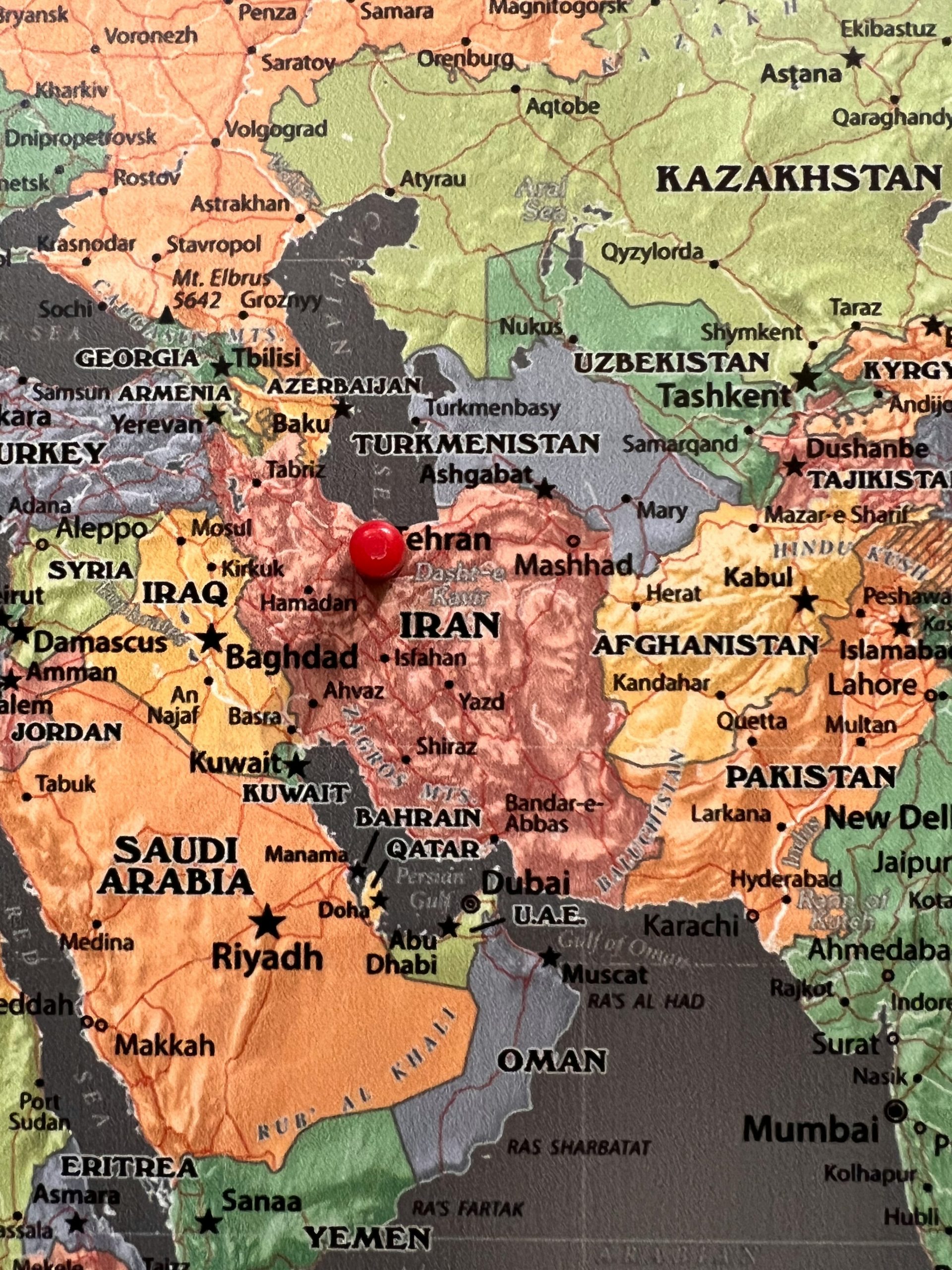
Rising tensions in the Middle East are causing immediate disruptions to visa processing and international travel across the region. According to the State Department, several embassies throughout the Middle East have halted or significantly limited visa services following airstrikes targeting Iran and subsequent retaliatory actions.

The situation is fluid and is evolving on a daily basis.

Widespread Travel Disruptions Across the Middle East


The escalating security situation has triggered widespread travel interruptions throughout the region. Airspace closures have been reported in Iran, Israel, Kuwait, the United Arab Emirates, Bahrain, Iraq, and Qatar. Airlines have suspended flights throughout the region, and there are reports of land border closures and shelter-in-place advisories in several countries.

These disruptions are expected to significantly affect visa issuance, passport returns, and the movement of workers.

U.S. Embassy Visa Services Suspended or Limited


The following U.S. diplomatic missions across the region have implemented operational changes, including canceled appointments, and the suspension of routine visa services until further notice.

  • United Arab Emirates: The U.S. Embassy in Abu Dhabi and the U.S. Consulate in Dubai canceled all visa and U.S. citizen services appointments from March 2–4 while personnel sheltered in place.
  • Beirut: Since February 23rd non-emergency personnel have departed and all consular visa services have been suspended.
  • Qatar: Routine consular appointments at the U.S. Embassy in Doha have been canceled due to ongoing security concerns until further notice.
  • Israel: The U.S. Embassy in Jerusalem and the Tel Aviv branch office have suspended all routine visa services through March 13 and are prioritizing assistance to U.S. citizens.
  • Jordan: The U.S. Embassy in Amman issued a shelter-in-place directive and visa services are suspended for the foreseeable future.
  • Kuwait: Embassy personnel have been ordered to shelter in place and all routine visa have been suspended.
  • Dubai: The U.S. Embassy in Abu Dhabi and the Dubai branch office issued a shelter-in-place directive and all routine visa services and appointments have been postponed.
  • Pakistan: The State Department has ordered non-emergency U.S. government employees from U.S. Consulates Lahore and Karachi to leave Pakistan due to safety risks.  At the U.S. Embassy Islamabad, the consulate will not be open for routine services on March 6, but staff remain available for emergency services only.
  • Cyprus: The State Department ordered non-emergency U.S. government employees to leave Cyprus due to the threat of armed conflict. All routine visa services and U.S. Citizen services have been suspended.
  • Saudi Arabia: The U.S. Mission in Saudi Arabia has suspended all routine and emergency consular services until further notice. The State Department has authorized non-emergency U.S. government employees to leave Saudi Arabia. The U.S. Consulate in Dhahran has specifically ordered the public to stay away from the area due to ongoing attacks and security concerns.

Continue reading

donald-2911302_1280La administración Trump planea revocar la libertad condicional CHNV dejando a miles sin estatus legal


En un sorprendente giro, CBS News ha publicado nueva información sobre planes inminentes de la administración Trump para revocar el estatus legal de aquellos a quienes se les concedió un permiso de permanencia temporal en el país a base de los programas para los cubanos, haitianos, nicaragüensens, y venezolanos (conocidos como CHNV).

Se estima que más de 530,000 cubanos, haitianos, nicaragüenses y venezolanos se encuentran actualmente en los EE. UU. bajo estos programas.

¿Qué es la permanencia temporal CHNV?


El programa de permanencia temporal CHNV fue promulgado por primera vez en 2023 por la administración Biden. Al igual que el programa de permanencia temporal de “Unidos por Ucrania,” los ciudadanos de los países que calificaban (Cuba, Haití, Nicaragua y Venezuela) debían tener un patrocinador en los EE. UU., pasar verificaciónes de seguridad, y cumplir con otros criterios para obtener la admisión a los EE. UU.

A los admitidos se les concedió la entrada a los EE. UU. por un período temporal de hasta dos años, incluyendo la capacidad de solicitar autorización de empleo temporal con el Servicio de Ciudadanía e Inmigración de los EE. UU. (USCIS).

Después de la orden ejecutiva firmada por el Presidente Trump titulada “Asegurando Nuestras Fronteras,” el dia 28 de enero USCIS dejó de aceptar el Formulario I-134A, solicitud para ser patrocinador para estos programas de permanencia temporal a la espera de revisiones adicionales.

Esta fue la primera señal de problemas para el programa CHNV. También vale la pena destacar que la página web de permanencia temporal CHNV ya no está disponible en el sitio web de USCIS.

Aviso del DHS Para Revocar CHNV


Según documentos internos del gobierno revisados ​​por CBS News, el Departamento de Seguridad Nacional pronto publicará un aviso en el Registro Federal poniendo un fin a los programas de permanencia temporal de CHNV y revocando el estado de permanencia temporal de todos a quienes se les concedió la entrada a los Estados Unidos bajo los programas de permanencia temporal de CHNV.

Estas personas serán sometidas a un proceso de deportación si no tienen ningún otro fundamento legal para permanecer en el país.

Qué significa esto:

  • Aquellos cuya clasificación de permanencia temporal sea revocada y que no tengan otro estatus migratorio, serán inmediatamente inelegibles para permanecer en los Estados Unidos y ya no podrán trabajar de manera legal.
  • Deportaciones aceleradas: El Departamento de Seguridad Nacional ha ampliado los procedimientos de deportación acelerada, dirigidos a personas sin estatus legal
  • Vías legales alternativas: aquellos en los EE. UU. bajo permanencia temporal CHNV deben explorar vías legales alternativas para permanecer en los EE. UU. o prepararse para partir.

Continue reading

donald-2911302_1280Trump Administration Plans Revocation of CHNV Parole Leaving Thousands Without Legal Status


In a shocking turn of events, new information has been released by CBS News about the Trump administration’s imminent plans to revoke the legal status of those who were granted humanitarian parole under the Cuba, Haiti, Nicaragua, and Venezuela (CHNV) humanitarian parole programs.

It is estimated that more than 530,000 Cubans, Haitians, Nicaraguans and Venezuelans are currently in the U.S. under these programs.

What is CHNV Parole?


The CHNV parole program was first enacted in 2023 by the Biden administration. Much like the Uniting for Ukraine parole program, nationals from qualifying countries (Cuba, Haiti, Nicaragua, and Venezuela) were required to have a U.S.-based supporter, pass enhanced security vetting, and meet other criteria to gain admission to the U.S.

Those admitted were granted entry to the U.S. for a temporary period of up to two years, including the ability to apply for temporary employment authorization with the U.S. Citizenship and Immigration Services (USCIS).

Following President Trump’s day one executive order entitled, “Securing Our Borders,” on January 28th USCIS stopped the acceptance of Form I-134A, Online Request to be a Supporter and Declaration of Financial Support, for these parole programs pending further review. This was the first sign of trouble for the CHNV program. The CHNV parole webpage is no longer available on the USCIS website.

DHS Notice to Revoke CHNV


According to internal government documents reviewed by CBS News, the Department of Homeland Security will soon publish a notice in the Federal Register terminating the CHNV parole programs and revoking the parole status of all who were granted entry to the United States under the CHNV humanitarian parole programs.

Such individuals will be placed in removal proceedings if they do not have any other lawful basis to remain in the country.

What this means: 

  • Those whose parole classification is revoked, and who lack another immigration status, will be immediately ineligible to remain in the United States, and can no longer work on a lawful basis.
  • Accelerated Deportations: The Department of Homeland Security has expanded expedited removal procedures, targeting individuals without permanent legal status
  • Alternative Legal Pathways: those in the U.S. under CHNV parole must explore alternative legal avenues to remain in the U.S. or prepare to depart

Continue reading