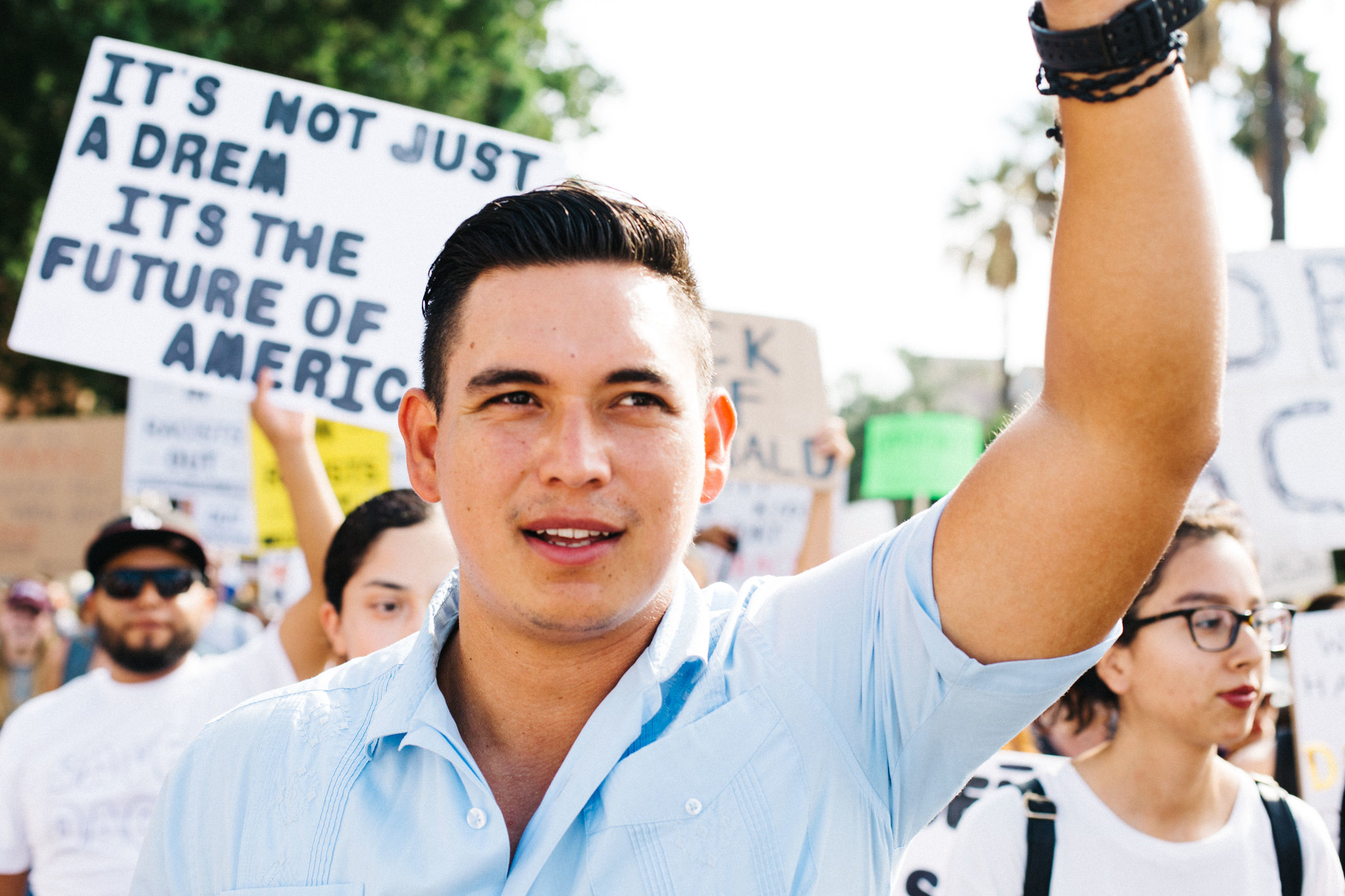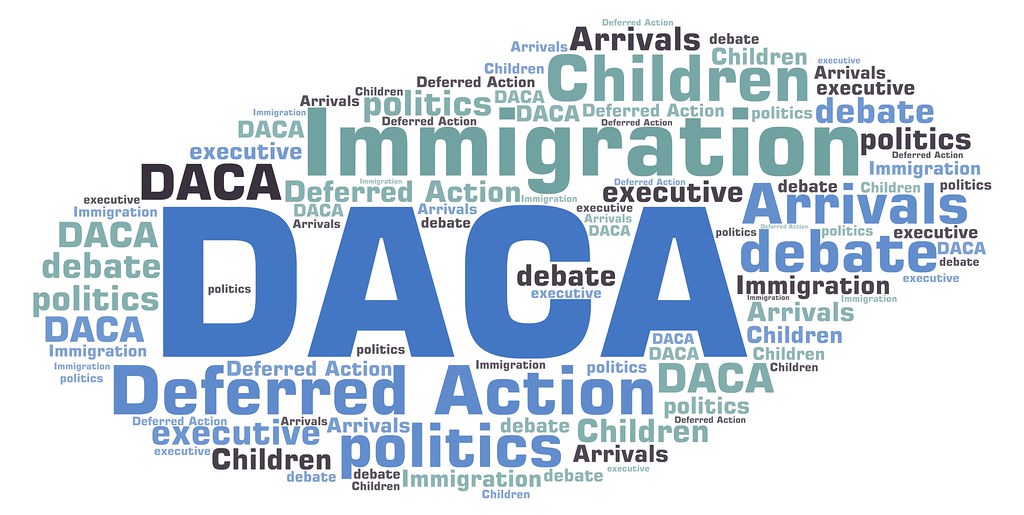
Credit: EpicTop10.com
UPDATE—The Latest on DACA: Last summer, the United States Supreme Court accepted the Trump administration’s writ of certiorari, agreeing to review several federal court cases challenging the Trump administration’s decision to terminate DACA. The Supreme Court could, at any moment, decide the fate of DACA, making this an extremely uncertain time for Dreamers. A decision is expected to be handed down by the Supreme Court in early 2020, just before the 2020 presidential election. In the meantime, given that no final decision has yet been made by the Supreme Court, DACA recipients may continue to submit renewal applications pursuant to three U.S. district court orders that remain in effect. As required by these orders, United States Citizenship and immigration Services (USCIS) resumed accepting renewal requests for DACA, however those who have never before been granted deferred action cannot apply.
DACA FREQUENTLY ASKED QUESTIONS
USCIS Continues to Accept DACA Renewal Requests
In early January of 2018, the U.S. District Court for the Northern District of California issued a preliminary injunction in favor of the plaintiffs in the case Regents of the University of California, et al. v. Department of Homeland Security, et al., which challenged the government’s decision to terminate DACA. The preliminary injunction had the effect of temporarily blocking the termination of the DACA program until a final decision is reached on the merits of the case. The injunction applied nationwide and required USCIS to resume accepting DACA renewal applications. Shortly after this court order, USCIS announced that it would resume accepting DACA renewal applications.
The Sapochnick Law Firm has drafted the following answers to your frequently asked questions regarding the current state of DACA, CIS’ announcement informing the public that it will continue accepting DACA requests, and further developments relating to DACA.
WHY YOU SHOULD APPLY FOR YOUR DACA RENEWAL NOW
At this time the fate of the DACA program is extremely uncertain. The United States Supreme Court is set to make a final decision regarding the legality of the DACA program at any time. Given that the liberal justices on the court are outnumbered by 5-4, it is more and more probable that the DACA program will be terminated. Once the Supreme Court casts the final vote, DACA recipients will likely lose the opportunity to apply for renewal of their benefits. Now more than ever DACA holders should take advantage of their ability to apply for a final renewal of their benefits. We hope that the Supreme Court will be on the right side of history, but there can be no guarantees.
1. I have never applied for DACA before, can I still submit an application?
No. The preliminary injunction does not require USCIS to accept DACA applications from first-time applicants. USCIS has made clear that it will not be accepting DACA applications from those who have never before been granted deferred action. The agency will only continue accepting applications to renew a grant of deferred action under DACA.
2. Why did I hear that applications for first-time applicants would be accepted?
In a previous case out of the U.S. District Court for the District of Columbia, NAACP v. Trump, federal judge John D. Bates ordered the government to submit additional information to justify its decision to terminate DACA—failure to do so meant that USCIS would be required to accept first-time applications for DACA as well as applications from DACA holders for advance parole.
The government did respond within the required period of time, issuing a memorandum outlining the government’s rationale for terminating the DACA program. Having satisfied the court’s requirement to produce the information, the U.S. District Court for the District of Columbia, “stayed” its previous order requiring that the DACA program be fully reinstated. As a result, the portions of the court order that would have allowed first-time applicants to seek DACA and allowed for DACA recipients to apply for advance parole, were stopped.
Given that the government complied with the court order, at this time, USCIS is not accepting DACA applications from first-time applicants, nor applications for advance parole from DACA recipients.
Continue reading
 Visa Lawyer Blog