Articles Posted in DOS

convertkit-htQznS-Rx7w-unsplash-scaled

Welcome back to Visalawyerblog! In this blog post, we bring you a new update from the U.S. Department of State regarding the status of immigrant visa processing at U.S. Embassies and Consulates overseas. Today, the Department of State released an update reminding immigrant visa applicants that consular interview appointments are being scheduled using a four-tiered system that generally triages immigrant visa applications based on a system of priority.

The update adds that where possible, Consular posts and Embassies will attempt to schedule some appointments within all four priority tiers every month. These attempts will be made to help reduce the massive backlog caused by the COVID-19 pandemic and operational constraints. The new update also carves out priority exceptions for certain healthcare workers seeking immigrant visas.

Applicants should keep in mind that public health and safety remain a paramount concern amid the COVID-19 pandemic. Consular posts and Embassies are continuing to do the best they can depending on local conditions to schedule interview appointments according to the priority schedule, taking into account restrictions on movement and gathering imposed by host country government.

It is also important to consider that posts overseas must abide by U.S. government guidance on safety in the workplace and are following social distancing protocols and safety measures which have reduced the number of applicants consular sections are able to see in a single day.  Consular sections will only resume routine visa services when it is safe to do so based on the particular geographic location.


The Department of State’s Four-Tiered Prioritization Schedule


The Department of State has said that while all immigrant visa categories are important, during the pandemic, it has been forced to make difficult decisions regarding how it will prioritize immigrant visa applications as they operate at limited capacity and work through the substantial backlogs of immigrant visa cases.

Having considered the difficult circumstances all applicants face, the Department of State has followed a guiding principle for immigrant visa prioritization, with family reunification being a top priority for the U.S. Government. The State Department’s prioritization schedule highlights Congressional objectives calling upon the agency to adopt policies that prioritize immediate relative visa applicants and K-1 fiancées of U.S. citizens, followed by family preference immigrant visa applicants.

Continue reading

hakan-nural-niBllet7sTw-unsplash-scaled

In this blog post we share with you some breaking news for green card applicants applying for adjustment of status on Form I-485, as well as those applying for immigrant visas from abroad.

As part of the green card process, USCIS and the Department of State require applicants to undergo a medical examination with a doctor designated as a civil surgeon, to establish that the applicant is not inadmissible to the United States on public health grounds.

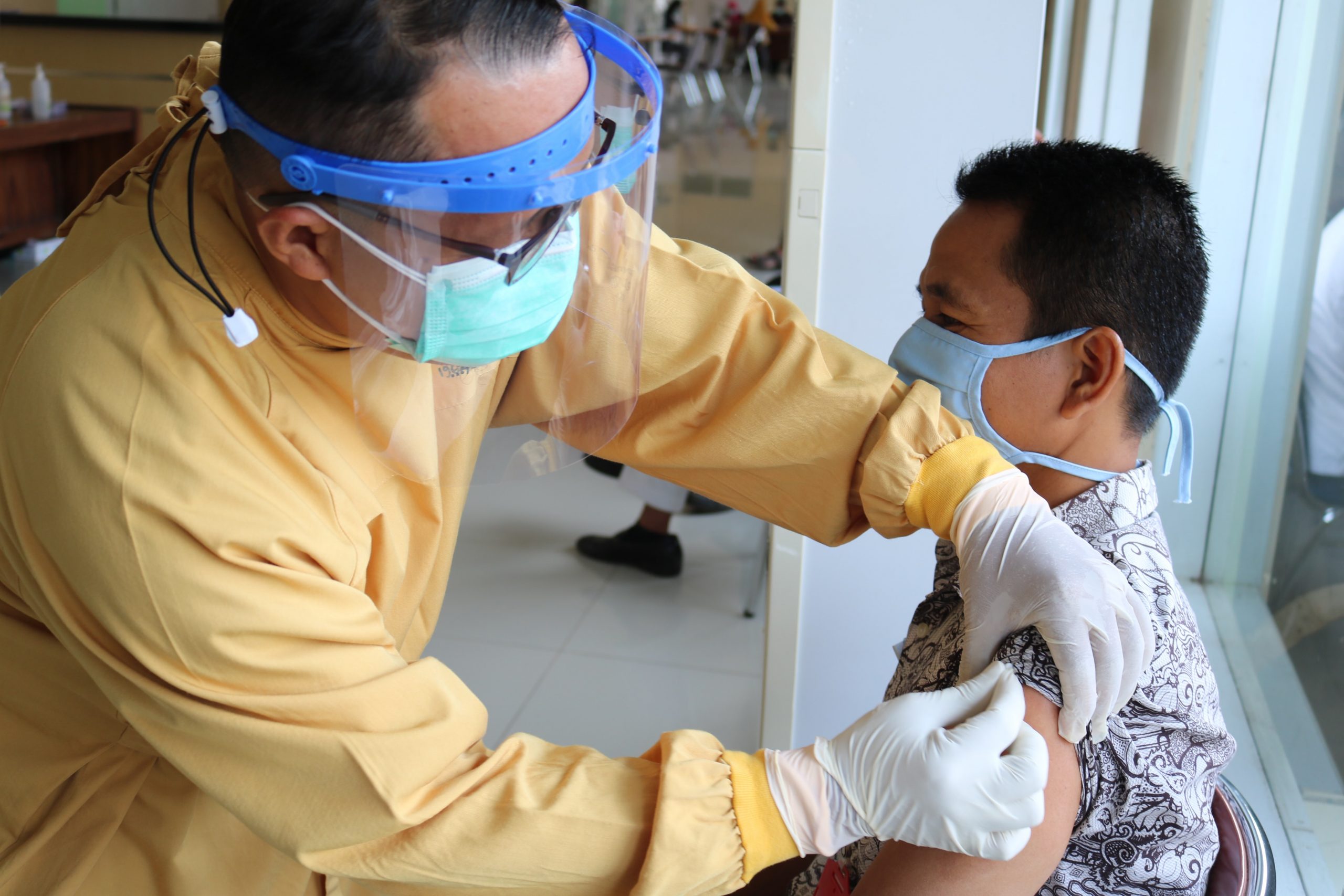
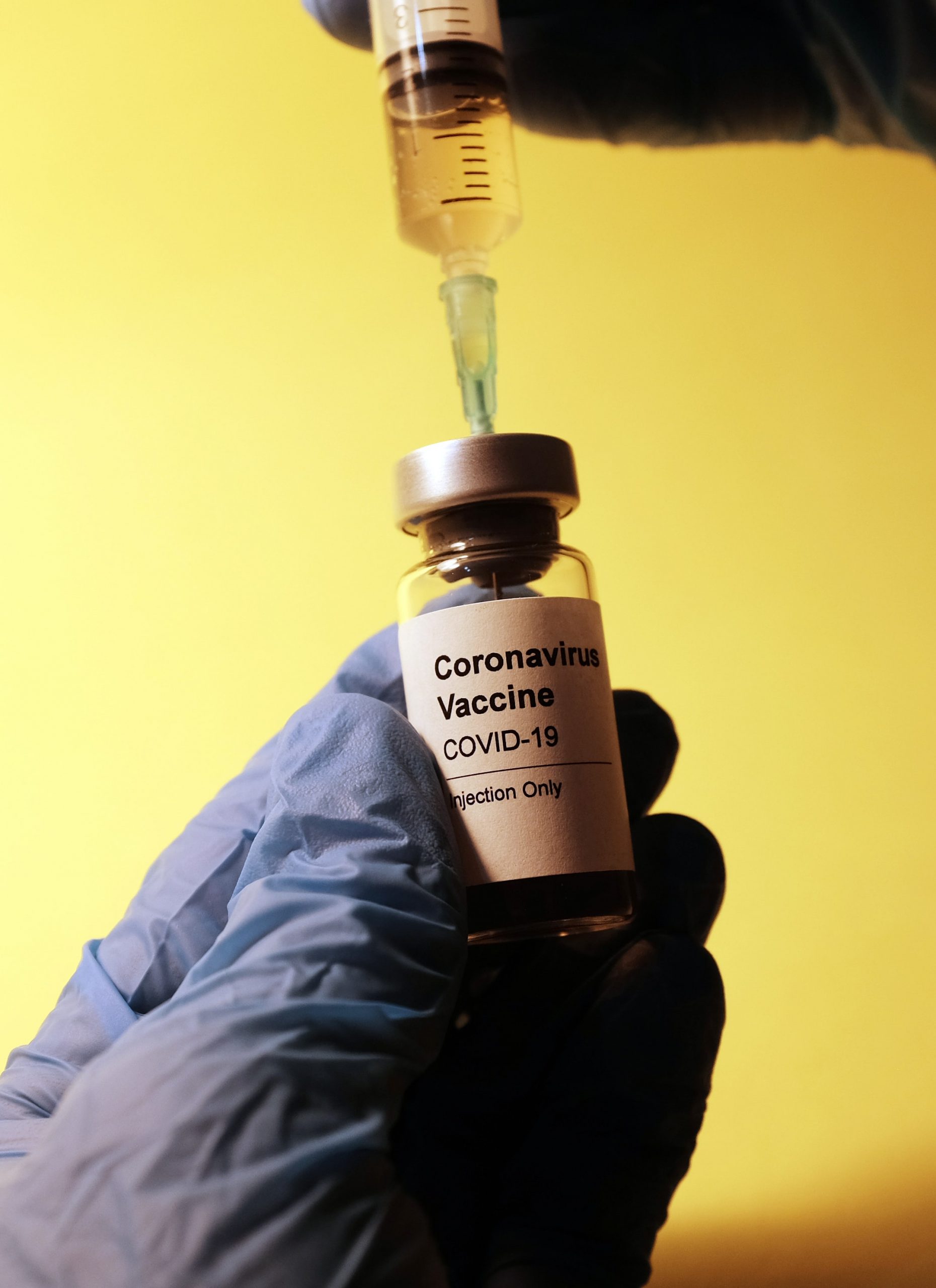
According to new guidelines released by the Centers for Disease Control, beginning October 1, 2021, green card applicants will now be required to establish that they have received a complete COVID-19 vaccine series, in order to be deemed eligible for permanent residence. Following the release of this new guidance, COVID-19 was added to the list of vaccinations required of those seeking U.S. lawful permanent residence.

The new vaccine requirement will apply to routine medical examinations necessary for both adjustment of status applicants applying for green cards in the United States and immigrant visa applicants applying at U.S. embassies and consulates abroad.


Who must take the COVID-19 vaccine?


All applicants (1) applying for I-485 adjustment of status (a green card) or (2) those applying for an immigrant visa abroad, who will receive their medical examination from a Civil Surgeon or Panel Physician on or after October 1, 2021, will be subject to this requirement and are encouraged to complete a COVID-19 vaccine series as soon  as possible.

Eligible applicants must complete the COVID-19  vaccine  series if  a  COVID-19  vaccine  listed  for  emergency  use  by  the World  Health  Organization  (WHO)  or  licensed  or  authorized  for  emergency  use  by  the  U.S. Food  and  Drug Administration  (FDA)  is  available  to  the  applicant  in  the  country  where  the  medical  examination  is  conducted.


How can I show that I have met the vaccine requirement?


Applicants must complete the COVID-19 vaccine series and provide documentation of vaccination to the civil surgeon in person before completion of the medical examination.  The COVID-19 vaccination requirement will differ from previous requirements in that the entire vaccine series (1 or 2 doses depending on formulation) must be completed in addition to the other routinely required vaccines.


How long will the COVID-19 vaccine requirement be in place?


These COVID-19 vaccine requirement will be in place until the CDC determines the vaccine is no longer needed to prevent the importation and spread of COVID-19.

Continue reading

charles-deluvio-S5meg_j_W1U-unsplash-scaled

Exciting news for adjustment of status applicants filing their green card applications! On August 12, 2021, the United States Citizenship and Immigration Services (USCIS) announced that the agency will be temporarily extending the validity period of medical examination (known as Form I-693, Report of Medical Examination and Vaccination Record), from two years to now four years due to COVID-19 related delays in processing applications. For those who are unaware, a sealed medical examination signed by a USCIS authorized civil surgeon on Form I-693 is a required component to receive lawful permanent resident status.


Who Will Benefit from this New Policy?


Effective immediately, USCIS will extend your Form I-693 medical examination if all of the following is true:

  • The civil surgeon’s signature on the medical examination (Form I-693) is dated no more than 60 days before the applicant filed Form I-485, Application to Register Permanent Residence or Adjust Status;
  • No more than four years have passed since the date of the civil surgeon’s signature on Form I-693; and
  • A decision on the applicant’s Form I-485 is issued on or before Sept. 30, 2021.

Why is the validity of the medical exam being extended?


According to USCIS, this change is being made temporarily due to COVID-19 related processing delay that have affected the ability of many applicants to complete the required immigration medical examination. Previously, USCIS considered a completed Form I-693 to retain its validity for two years after the date the civil surgeon signed, as long as the date of the civil surgeon’s signature was no more than 60 days before the applicant filed for adjustment of status. Now the validity of the medical examination Form I-693 is being extended to four years (see the criteria above).

USCIS also revealed that it will be approving a record number of employment-based adjustment of status applications, with more approvals than it has issued since FY 2005.  The agency has prioritized the processing and adjudication of employment-based adjustment of status applications during this fiscal year. The agency vows to continue to make processing and resource allocation decisions to increase the pace of adjudications and limit the potential for employment-based visa numbers to go unused.

Continue reading

fringer-cat-hddmXlPaFGo-unsplash-scaled
Welcome back to Visalawyerblog! In this blog post we share with you an overview of the State Department’s September 2021 Q&A answer session with Charlie Oppenheim, Chief of the Immigrant Visa Control and Reporting Division of the U.S. Department of State, also known as “Chats with Charlie,” broadcasted every month on the State Department’s YouTube channel.

This new series features a monthly Question-and-Answer session with Mr. Charles Oppenheim and a Consular officer, where they answer many of the public’s frequently asked questions and provide a monthly analysis of each month’s Visa Bulletin. This discussion will provide details regarding what to expect in terms of the movement or retrogression of both family and employment-based preference categories on each month’s Visa Bulletin.

Questions for Charlie can be emailed in advance to VisaBulletin@state.gov ahead of each monthly session with “Chat with Charlie Question” in the subject line.

loading-bar-5514290_1920

Welcome back to Visalawyerblog! In this blog post we share with you an overview of the State Department’s August 2021 Q&A answer session with Charlie Oppenheim, Chief of the Immigrant Visa Control and Reporting Division of the U.S. Department of State, also known as “Chats with Charlie,” broadcasted every month on the State Department’s YouTube channel.

This new series features a monthly Question-and-Answer session with Mr. Charles Oppnheim and a Consular officer, where they answer many of the public’s frequently asked questions and provide a monthly analysis of each month’s Visa Bulletin. This discussion will provide details regarding what to expect in terms of the movement or retrogression of both family and employment-based preference categories on each month’s Visa Bulletin.

Questions for Charlie can be emailed in advance to VisaBulletin@state.gov ahead of each monthly session with “Chat with Charlie Question” in the subject line.

Be sure to subscribe to the State Department’s YouTube Channel and turn on your notifications so you do not miss any of these important updates.

Below are the highlights of the trends and visa projections for August 2021 and beyond.


DOS Q&A Session with Charlie Oppenheim: August 2021 Visa Bulletin Projections & Beyond


https://www.youtube.com/watch?v=b3R4daHUOj8


Charlie Oppenheim advises against sending “mass like” chain emails to the Charlie Chats email address

Before we get into the questions for this session, I wanted to add that I have seen a significant number of questions being received that maybe online chat groups have provided in a suggested “copy this text” approach that were sent to the Charlie Chat email address. I want to say that this is a very unproductive approach to asking questions, since we must open a significant number of messages with the same question, and that diminishes our ability to review the hundreds and hundreds of questions which are coming in each month. Therefore, it’s likely that we may miss important questions which listeners would like addressed. I am happy to see questions come in but this massive number of duplicates is unproductive to the listener group.


The Top 8 Advance Questions Sent in By Listeners


Q: I submitted all my documentation to NVC a long time ago and I confirmed on their website that everything is completed correctly. My priority date became eligible in March, but I have not yet been scheduled for my final visa interview. Why haven’t I been scheduled despite the eligibility and when can I expect to be scheduled?

A: This is a question we have been getting a lot. It’s important to say that throughout the COVID-19 pandemic, the NVC has continued to schedule appointments and is warehousing cases for Consular sections that have not been able to resume the routine Immigrant Visa processing. Depending on the country’s local restrictions and resources, the Consular sections abroad provide their projected capacity for scheduling to the NVC about 30-60 days in advance.

This allows NVC to begin scheduling those appointments and getting the information out to the applicants early. Other than age-out cases, inter-country adoption cases, and expedite requests, based on certain FAM regulations upon visa availability, the NVC schedules their Immigrant Visa appointments for visa categories in chronological order, based on the date in which the case was deemed “documentarily qualified,” meaning they have been asked to submit certain required documents, all those documents have been received, and have been verified. Then the NVC fills the available appointment slots in a first come, first out manner within each visa class, in accordance with each Consular section’s capacity.

I would advise listeners to refer to the guidance on the NVC Immigrant Visa backlog report website to view the worldwide data count of applicants which have been processed by NVC. Then that will determine how many have become documentarily complete. NVC and the overseas posts are trying to get to all the appointments and applicants as quickly as possible. It’s being done in chronological order and basically, they’re having to catch up on cases that could have been scheduled as far back as March 2020.

Continue reading

charles-deluvio-tf5TDllJZ48-unsplash-scaled

Welcome back to Visalawyerblog! The Department of State recently released the visa bulletin for July 2021 outlining the availability of immigrant visa numbers for the upcoming month.

Remember to stay on the lookout for the next “Chats with Charlie” on the DOS YouTube Channel, a monthly series recently launched with the State Department and Charlie Oppenheim to discuss Visa Bulletin projections.


NOTE: Adjustment of Status Filing Charts July 2021


For Family-Sponsored Filings:

Per USCIS, applicants falling within the F2A category, may use the Final Action Dates Chart in the Department of State Visa Bulletin for July 2021. While there is a cutoff date on the Dates for Filing chart, the category is “current” on the Final Action Dates chart, allowing F2A applicants to rely on it.

All other family-sponsored preference categories (other than F2A) must use the Dates for Filing chart in the Department of State Visa Bulletin for July 2021.

For Employment-Based Preference Filings:

All applicants falling under employment-based preference categories, must use the Final Action Dates chart in the Department of State Visa Bulletin for July 2021.

Continue reading

daniel-schludi-mAGZNECMcUg-unsplash-scaled

We are excited to share with you some new updates regarding the immigrant visa backlog.

On May 25, 2021, the U.S. Department of State: Bureau of Consular Affairs, hosted a live YouTube Question and Answer session with Neal Vermillion, Division Chief at the U.S. Visa Office of the Bureau of Consular Affairs, where he discussed how Consular sections have been prioritizing cases during the phased resumption of visa services, and information about the status of the current immigrant visa backlog worldwide.

Neal Vermillion works directly with the Office of Field Operations, which is a government agency that provides guidance to Consular sections including Embassies and Consulates around the world. He has worked with the Department of State since the early 2000’s in various roles and has invaluable expertise on visa operations at Consular sections around the globe.

In this post, we will share with you the highlights of this session which you may find useful to determine the progress of your visa and what you can expect with regard to visa processing in the coming months.


DOS Q&A Session with Neal Vermillion: Immigrant Visa Backlog Q&A


https://www.youtube.com/watch?v=S_G7kahqQN0


Neal’s Introductory Remarks

I would first like to say a few remarks before we get to that question and the other specific ones. In terms of the history, here we are almost June 2021. Those of you that follow our immigrant visa processing overseas know, we actually shut down due to the pandemic. Visa processing shut down for several months last year at this time, and we really didn’t start the reopening process until July of last year. This is one significant factor that is leading to this backlog discussion that we are having today.

Another point I want to highlight that is another prong of why we are where we are is, you may recall, last spring as well, then President Trump signed Presidential Proclamation 10014, which President Biden rescinded in late February of this year, but that Proclamation prevented the issuance, even when we were open and our Consular sections were processing some visas, that prevented the issuance and travel of many many different types of immigrant visas.

A third prong as we’re talking about Presidential Proclamations, is … some of you may be aware, there are actually still in effect geographic Proclamations, as we call them, which basically are again Presidential Proclamations that have been issued to help protect the homeland, protect health and security.

Continue reading

calendar-925109_1280

Welcome back to Visalawyerblog! We kick off the start of a brand-new week with an overview of the June 2021 Visa Bulletin. Follow along as we provide you with an overview of the State Department’s monthly Q&A answer session with Charlie Oppenheim, Chief of the Immigrant Visa Control and Reporting Division of the U.S. Department of State.

In this post, we summarize Charlie’s Visa Bulletin projections for the upcoming month of June 2021 and beyond.

We recommend our followers to subscribe to the State Department’s YouTube Channel to catch all of the details relating to the agency’s new monthly series on its YouTube channel.

This new series will feature a monthly Question-and-Answer session with Charles and a Consular officer, where they will answer many of the public’s frequently asked questions and provide a monthly analysis of each month’s Visa Bulletin. The discussion will provide details regarding what to expect in terms of the movement or retrogression of both family and employment-based preference categories on each month’s Visa Bulletin.

Questions for Charlie can be emailed to VisaBulletin@state.gov ahead of the monthly session with “Chat with Charlie Question” in the subject line.

Reminder: Tomorrow, Tuesday May 25, 2021 at 1:00 p.m. ET, the Department of State will be hosting a YouTube live session relating to the visa backlog. The State Department will also be discussing how Consular sections will be prioritizing visa cases during the phased resumption of services. Make sure to subscribe to the YouTube Channel and turn your notifications on so you do not miss any of these updates.

Continue reading

eric-rothermel-FoKO4DpXamQ-unsplash-scaled

Welcome back to Visalawyerblog! The Department of State recently released the visa bulletin for June 2021 outlining the availability of immigrant visa numbers for the upcoming month.

Don’t forget to tune in to the next “Chats with Charlie” on the DOS YouTube Channel on May 24, 2021, at 10:00 am (PT) 1:00 pm (ET) to discuss the June Visa Bulletin. Questions about the June 2021 Visa Bulletin can be emailed to VisaBulletin@state.gov ahead of the event with “Chat with Charlie Question” in the subject line.


NOTE: Adjustment of Status Filing Charts June 2021


For Family-Sponsored Filings:

Per USCIS, applicants falling within the F2A category, may use the Final Action Dates Chart in the Department of State Visa Bulletin for June 2021. While there is a cutoff date on the Dates for Filing chart, the category is “current” on the Final Action Dates chart, allowing F2A applicants to rely on it.

All other family-sponsored preference categories (other than F2A), must use the Dates for Filing chart in the Department of State Visa Bulletin for June 2021.

For Employment-Based Preference Filings:

All applicants falling under employment-based preference categories, must use the Final Action Dates chart in the Department of State Visa Bulletin for June 2021.

Continue reading

alyssia-wilson-8O0_aFy72KY-unsplash-scaled

In its continued efforts to improve communications with the public regarding the status of visa operations worldwide, the Department of State recently provided new insights regarding Immigrant Visa Prioritization at Consular posts overseas.

To reduce the immigrant visa backlog, the Department has announced the adoption of a new four-tiered approach that is designed to triage the processing of immigrant visa applications according to prioritization standards set by U.S. Congress. Such standards will ensure prioritized visa processing for certain categories of immigrant visa applicants, while posts prepare to resume and expand visa processing as local conditions improve.

Prioritization of immigrant visas will begin with a first tier including prioritization of immigrant visas for immediate relative intercountry adoption visas, age-out cases (cases where the applicant will soon no longer qualify due to their age), and certain Special Immigrant Visas (SQ and SI for Afghan and Iraqi nationals working with the U.S. government).

The second tier will include prioritization of immigrant visas for immediate relatives, fiancé(e) visas, and returning resident visas.

While the third tier will prioritize immigrant visas for family preference immigrant visas and SE Special Immigrant Visas for certain employees of the U.S. government abroad.

Finally, the fourth tier will prioritize immigrant visa processing for all other immigrant visas, including employment preference and diversity visas.

Continue reading