Articles Posted in Student Workers

interview-7323656_1280Starting September 2, 2025, the U.S. Department of State will implement major changes that limit eligibility for nonimmigrant visa interview waivers.

Under the State Department’s new revised policy, most applicants—including children under 14 and adults over 79—will be required to attend an in-person interview with a U.S. consular officer, with limited exceptions.

This new policy replaces the previous Interview Waiver Update issued on February 18, 2025, and will significantly impact individuals seeking to travel to the United States on a nonimmigrant visa including workers seeking to renew their visas.


Who Can Still Qualify for an Interview Waiver After September 2?


Although the new rules tighten overall interview requirements, certain applicants may still be eligible for an interview waiver, including:

  1. Certain Diplomatic and Official Visa Holders

Applicants under the following visa classes are exempt from the interview requirement:

  • A-1, A-2 (representatives of foreign governments)
  • C-3 (excluding attendants or personal staff)
  • G-1 through G-4 (representatives of international organizations)
  • NATO-1 through NATO-6
  • TECRO E-1 (Taipei Economic and Cultural Representative Office officials)
  1. Diplomatic or Official-Type Visa Applicants

Those applying for visas that support diplomatic or governmental missions may still be eligible for interview waivers.

  1. Applicants Renewing Certain B Visas or Border Crossing Cards

Applicants may qualify for an interview waiver if they meet all the following conditions:

Continue reading

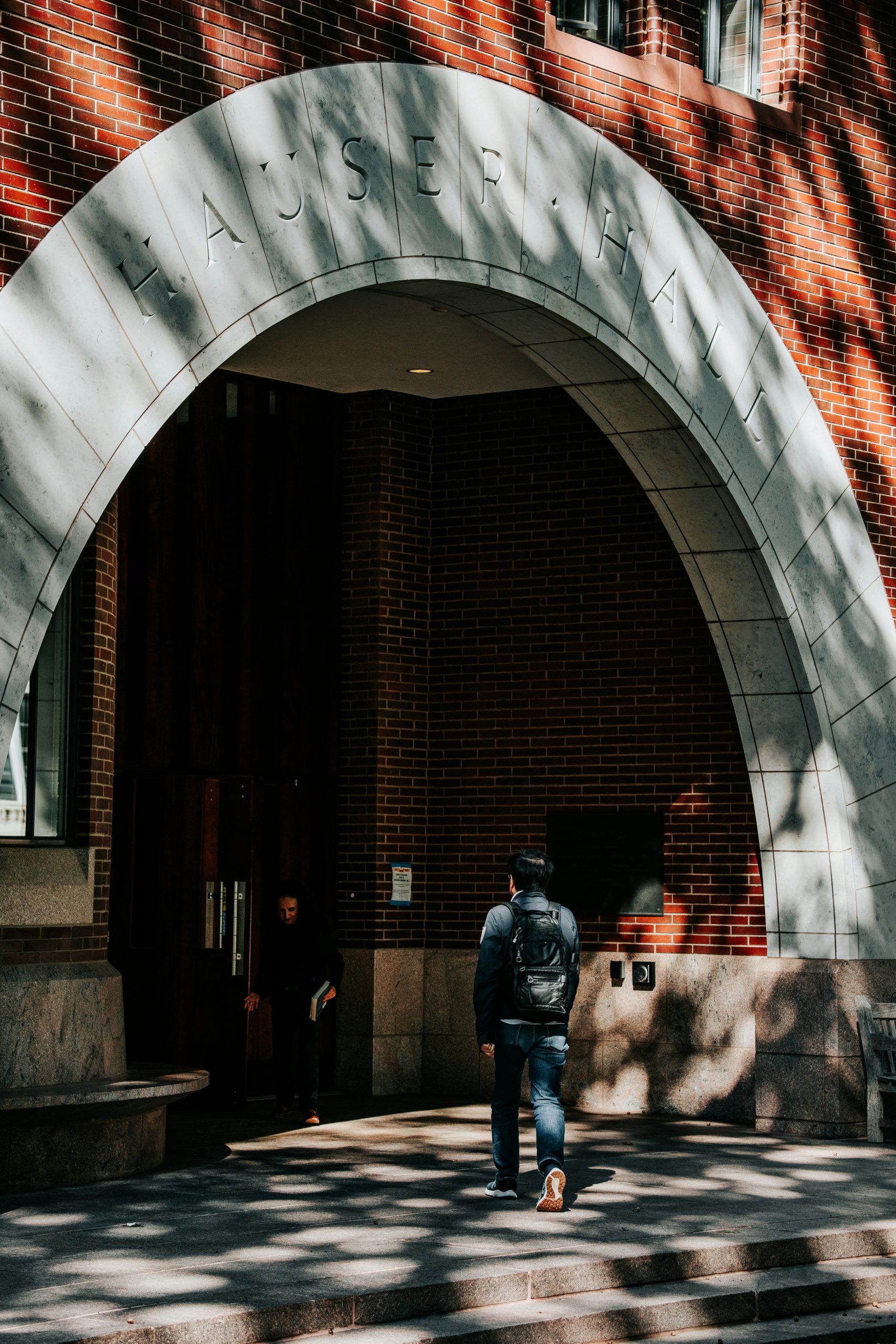
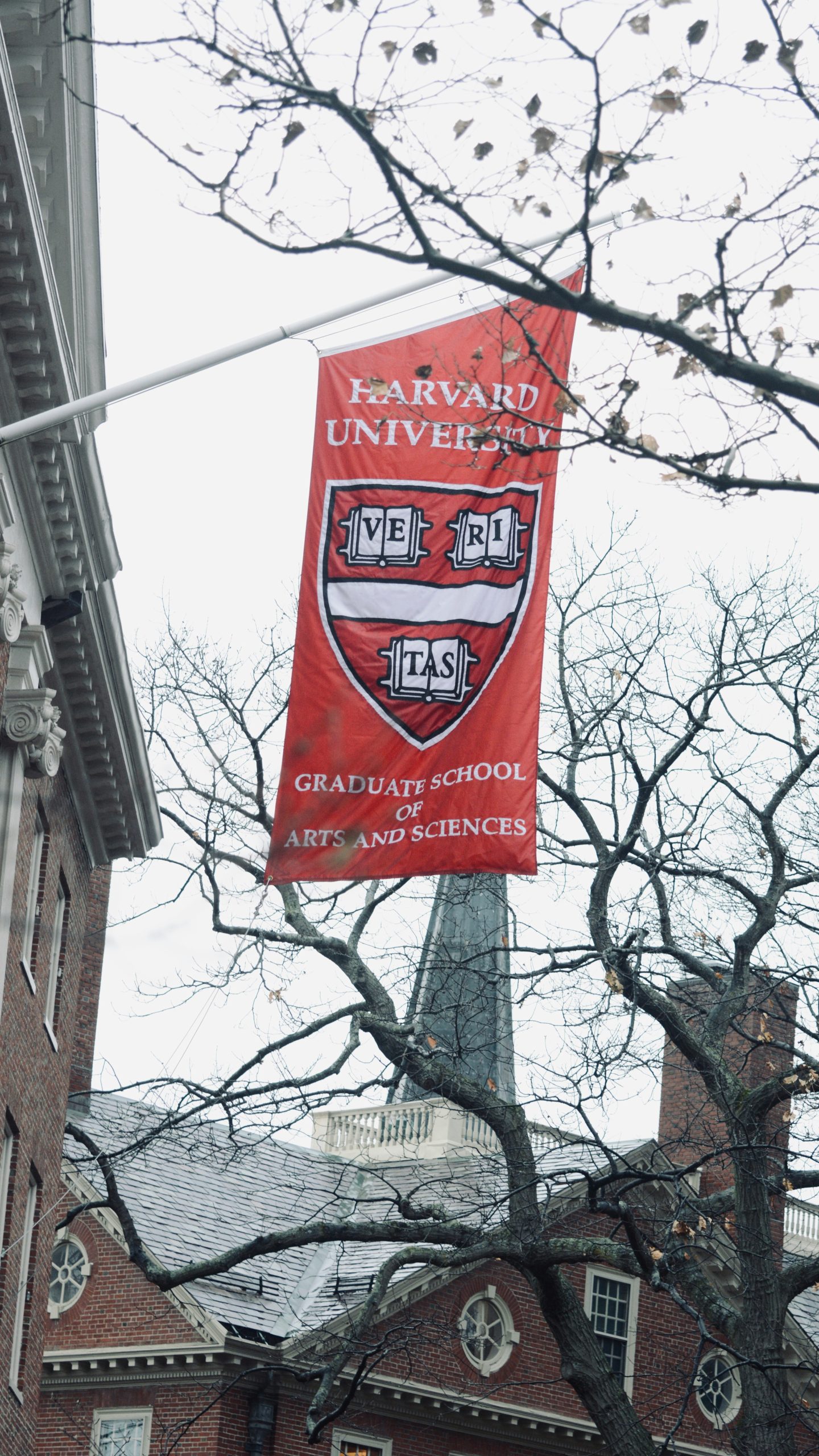
beverly-kimberly-tfiGOGEmJVI-unsplash-scaledOn June 4, 2025, President Trump continued his ongoing assault on Harvard University with a new Executive Order entitled, “Enhancing National Security by Addressing Risks at Harvard University.”

Effective June 4th, the order suspends the entry of all nonimmigrants and exchange visitors bound for Harvard University for a period of 6 months, citing national security concerns over Harvard’s failure to police foreign students and ensure that foreign nationals admitted on student and exchange visitor visas remain in compliance with Federal law.

The executive order also accuses Harvard of having extensive entanglements with foreign adversaries including China.

Who is affected?


All nonimmigrants who enter or attempt to enter the United States to begin attending Harvard University through the Student and Exchange Visitor Program (SEVP) after the effective date of the proclamation (June 4, 2025).

The executive order further empowers the Secretary of State Marco Rubio to consider in his discretion whether foreign nationals who currently attend Harvard University and are in the United States pursuant to F, M, or J visas, should have their visas revoked pursuant to the proclamation.

Who is not affected?


The suspension does not impact Harvard students who are already inside the United States with a valid student visa as of the effective date of the proclamation.

The suspension also does not apply to any alien who enters the United States to attend other universities through the Student and Exchange Visitor Program (SEVP).

It also does not apply to any alien whose entry would be in the national interest, as determined by the Secretary of State, the Secretary of Homeland Security, or their designated representatives.

Impact on Harvard Students Currently in the United States


The executive order does not:

  • Restrict change or extension of status applications filed with U.S. Citizenship and Immigration Services (USCIS)
  • Revoke existing visas, I-94, or STEM OPT work authorization status for students currently in the United States

Continue reading

manu-ros-wvlwZ00eIRk-unsplash-scaledIn recent days, the Trump administration has launched an aggressive campaign targeting international students studying at colleges and universities throughout the United States.

These attacks escalated Thursday last week when the administration first announced that it would be halting Harvard University’s ability to enroll international students by revoking their Student and Exchange Visitor Program (SEVP) certification—a certification that is necessary for U.S. schools to enroll and issue Forms I-20 to F and M international students.

The move sent shockwaves throughout the academic community because it meant Harvard could no longer enroll foreign students, and its more than 7,000 existing international students would be required to transfer or lose their legal status in the United States.

According to the Secretary of the Department of Homeland Security Kristi Noem, such drastic steps were taken due to Harvard’s alleged failure to comply with Student Exchange Visa Program (SEVP) regulations, as well as “encouraging and allowing antisemitic and anti-American violence to rage on its campus and coordinating with Chinese Communist Party officials on training that undermined American national security.”

Less than 24 hours later, Harvard filed a lawsuit in federal court requesting and obtaining a temporary restraining order to block the Trump administration from cutting off its ability to enroll foreign students. The judge found that absent the court order, Harvard would “suffer immediate and irreparable injury.”

Today, that same judge granted Harvard a preliminary injunction extending Harvard’s ability to maintain its SEVP certification intact while the lawsuit moves forward in federal court. This action effectively protects Harvard’s students and allows them to remain in the United States.

Continue reading

engineer-4690505_1280The United States Citizenship and Immigration Services (USCIS) recently released detailed statistics and data regarding the number of beneficiaries selected during the fiscal year 2026 H-1B cap season, highlighting the highly competitive nature of the visa process.

Each year, the H-1B visa program allows U.S. employers to temporarily employ foreign workers in specialty occupations, and demand for these visas has consistently gotten tougher throughout the years.

The FY 2026 data shows a significant drop in H-1B registrants, with 126,361 fewer applicants compared to the previous year.

Overview


During the fiscal year 2026 H-1B cap season:

  • USCIS received eligible registrations for 336,153 unique beneficiaries and selected just 118,660 – or approximately 35.3% – of these beneficiaries.
  • The overall number of registrations submitted in FY 2026 decreased dramatically from 470,342 eligible registrations filed last year to just 343,981 eligible registrations filed this year.
  • On average, each beneficiary only had approximately one registration submitted on their behalf.
  • USCIS is not expected to announce a second cap lottery until at least July 2025, after the current H-1B filing period closes.

Continue reading

sam-balye-w1FwDvIreZU-unsplash-scaled

Following a wave of lawsuits from international students whose visas and Student and Exchange Visitor Information System (SEVIS) records were terminated without prior notice, the Trump administration has suddenly changed its course.

In recent weeks, U.S. Immigration and Customs Enforcement (ICE) has begun reinstating SEVIS records that were previously terminated, after seemingly recognizing that the government did not go through the appropriate channels to do so.

Over the past month, it is estimated that the State Department and ICE collectively cancelled over 300 F-1 student visas and terminated more than 4,736 SEVIS records primarily due to student encounters with law enforcement, criminal charges that were dismissed, and old misdemeanors pre-dating visa issuance. These SEVIS terminations automatically exposed students to unlawful presence in the United States, and the risk of deportation.

It was further discovered that ICE utilized AI assisted programs to screen the social media posts of F-1 international students and terminated their legal status based on antisemitic activity or alleged support for terrorist organizations such as Hamas and Hezbollah.

In response, students across the country sued the government to preserve their status, leading federal judges to issue a series of emergency orders to stop the government from cancelling visas and SEVIS records.

Continue reading

ai-generated-9069956_1280The fallout of the 2024 Presidential election has left high-skilled foreign workers asking what the Trump administration may have in store for them in the new year.

Perhaps the most vulnerable to attack is the H-1B work visa program, which was previously targeted by the Trump administration. A second term for Donald Trump promises to bring a new set of challenges for H-1B workers, including a hike on mandated salaries paid by U.S. employers, and increased scrutiny leading to a predicted surge in Requests for Evidence and H-1B visa denials.

About the H-1B Work Visa


H-1B workers are a subset of professional workers that have long filled a critical need in the U.S. labor market, especially for those working in the sciences, technology, engineering, and mathematics (STEM) fields.

Every year, U.S. employers from hundreds of industries use the H-1B visa program to bring highly skilled and well-educated foreign professionals to work for them in the United States. To qualify, H-1B workers must have a job offer from a U.S. employer to work in a “specialty occupation,” which requires a baccalaureate degree or the equivalent work experience to work in the field. Applicants must demonstrate that they have the academic and professional qualifications to work for the U.S. employer.

Only 65,000 H-1B visas are available every year, with an additional 20,000 visas made available to professionals with a U.S. master’s degree or higher in their field.

The annual visa limits mean that the H-1B work visa program is a “lottery” based visa, requiring employers to submit an electronic registration every Spring, to have a chance of being selected.

Continue reading

border-6971270_1280Today, October 17, 2024, the U.S. government announced new measures providing immigration relief to Lebanese nationals currently residing inside the United States.

18-Month Designation of TPS for Lebanon


Firstly, the Department of Homeland Security (DHS) has announced the designation of Lebanon for Temporary Protected Status (TPS) for a period of 18 months. This decision marks Lebanon’s first designation for TPS.

This designation was made based on ongoing armed conflict and extraordinary and temporary conditions in Lebanon that prevent its nationals from safely returning to their country.

A notice will soon be published in the Federal Register confirming the Secretary of Homeland Security’s designation of Lebanon including more details regarding the designation. Lebanese nationals who are approved for TPS can lawfully remain in the United States while the security situation improves. Those who are eligible can apply for temporary employment authorization by filing Form I-765 Application for Employment Authorization at the same time of filing Form I-821, Application for Temporary Protected Status.

What We Know


To be eligible for TPS under the Lebanon’s designation, Lebanese nationals (and individuals having no nationality who last habitually resided in Lebanon) must demonstrate continuous residence in the United States since October 16, 2024.  Those who attempt to enter the United States after October 16, 2024, are ineligible for TPS. Lebanese nationals currently not residing in the United States are also ineligible to receive benefits.

The program’s effective date has not yet been announced but is expected to be published in the Federal Register in the coming weeks including the application instructions.

As a reminder, TPS applicants must meet all eligibility requirements and undergo security and background checks to gain approval.

Continue reading

state-2731980_1280In this blog post, we share with you an important announcement from the United States Citizenship and Immigration Services (USCIS).

On July 8, 2024, the Department of Homeland Security announced an extension of Temporary Protected Status (TPS) benefits for Yemeni nationals for an 18-month period beginning from September 4, 2024 through March 3, 2026.

The Biden administration has made the decision to extend Temporary Protected Status for Yemeni nationals due to ongoing armed conflict and extraordinary and temporary conditions that prevent Yemeni nationals from safely returning to their home country.

Yemeni nationals (and individuals having no nationality who last habitually resided in Yemen) continuously residing in the United States since July 2, 2024, are eligible for Temporary Protected Status under Yemen’s designation.

Existing beneficiaries of TPS may re-register to maintain their benefits during the 60-day re-registration period that runs from July 10, 2024, through September 9, 2024.

Those who do not currently have TPS but who qualify for TPS benefits can register from July 10, 2024, through March 3, 2026.

It is important for re-registrants to timely re-register during the registration period and not wait until their Employment Authorization Documents (EADs) expire, as delaying reregistration could result in gaps in their employment authorization documentation.

The main benefit of applying for TPS is that those who are approved can remain in the country on a lawful basis, will receive protection against deportation (deferred status), and are eligible to apply for employment authorization and travel permission by filing, Form I-765 Application for Employment Authorization, and Form I-131 Application for Travel Document, with the United States Citizenship and Immigration Services (USCIS).

Continue reading

student-5473769_1280A new California legislative bill known as AB 2586 may soon grant undocumented students the ability to work on college campuses without having a work permit.

The assembly bill introduced by David Alvarez is meant to provide relief to the millions of undocumented students unable to apply for employment authorization under the Deferred Action for Childhood Arrivals (DACA) program.

As our readers may know, U.S. Citizenship and Immigration Services (USCIS) stopped processing new DACA applications in 2017, when former President Donald Trump rescinded the program. Since then, only renewal applications have been accepted by USCIS, putting millions of undocumented students out of work who can no longer apply for and obtain work permits.