border-patrol-2747626_1920

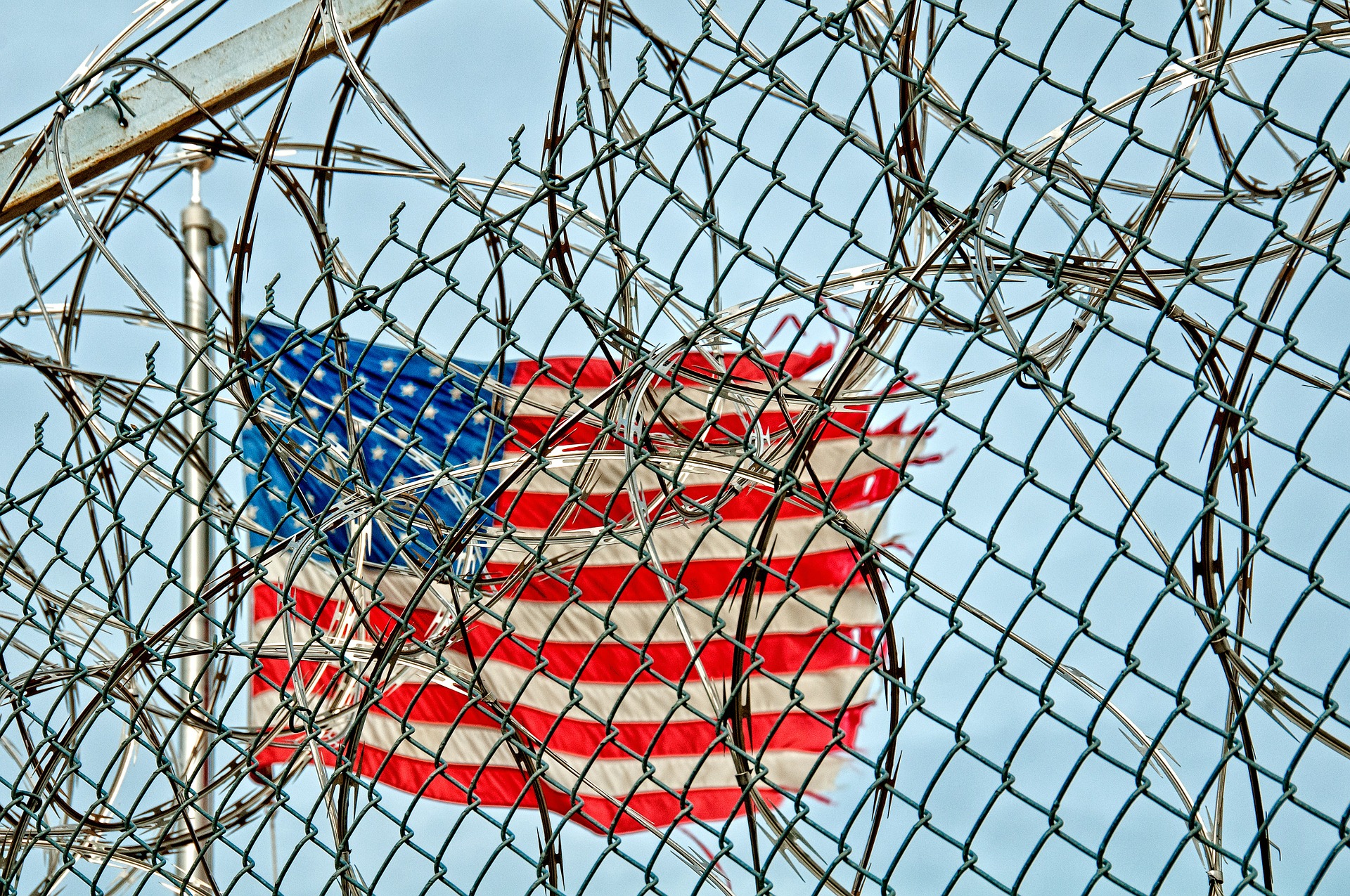
The Trump administration is in full gear to expedite the removal of hundreds of asylum seekers, most of which are arriving from Central America.

As early as October of 2019, the Washington Post made public the existence of a confidential pilot program coordinated by the Department of Homeland Security and Department of Justice designed to swiftly deport asylum-seekers within a matter of days.

Under the program, Prompt Asylum Claim Review, the government would take a maximum period of 10 days to consider applications for asylum from individuals arriving at the U.S./Mexico border. Those denied would be swiftly removed from the country and returned to their homeland.

As a result, asylum determinations that usually take years to be made, will now be made in a matter of days.

It is easy to see how this type of accelerated removal from the country raises serious due process concerns and delegitimizes the complex asylum process.

A recent lawsuit filed by the American Civil Liberties Union against the Department of Homeland Security reveals that asylum seekers placed in this program are given only one window of approximately 30 minutes to one hour to call family members or retain counsel, and even where detainees have successfully retained counsel, CBP has denied attorneys physical access to speak to detainees, prohibited in-person meetings, and telephonic access. Where attorneys have tried to reach clients before their credible fear interviews, or hearings before an immigration judge, CBP has forced a detainee to proceed without opportunity to counsel with their attorney.


Continue reading

new-year-4427195_1920

Welcome to 2020! It’s a new year and a brand-new decade. In this post, we cover the things you need to watch and groundbreaking events taking place in 2020 that will shape the future of immigration for years to come.

2020 Presidential Election

One of the most momentous events in American history will take place November 3, 2020, as Americans head to the polls to vote for the next President of the United States. The winner of the 2020 presidential election will be inaugurated on January 20, 2021.

Candidates for the Presidency will take part in dozens of debates leading up to the presidential election during the next few months. As it stands, fourteen Democratic nominees remain in the 2020 presidential race vying for an opportunity to oppose President Donald Trump come November.

The top Democratic candidates include Joe Biden, Bernie Sanders, Pete Buttigieg, and Elizabeth Warren. On February 3, 2020 these candidates will participate in the Iowa Democratic caucuses, the first nominating contest in the Democratic Party presidential primaries.

For its part, the Republican National Committee has pledged its support to President Trump in his re-election bid, meaning that Donald Trump will likely be unopposed in the 2020 Republican Party presidential primaries. Only two other Republican candidates have formally announced their intent to take part in the presidential race, including Joe Walsh and Bill Weld.

As previously reported, the outcome of the 2020 Presidential election will have a profound effect on the future of immigration, given the central role that the topic has had in American politics during the Trump administration, and its continued level of importance in the 2020 election.

The Supreme Court will take on the issue of DACA

During the Spring of 2020, several big decisions will be made on immigration by a conservative Supreme Court.

On June 28, 2019, the U.S. Supreme Court agreed to hear lawsuits filed against the Trump administration challenging the President’s decision to abruptly terminate Deferred Action for Childhood Arrivals (DACA). Oral arguments began on November 12, 2019 in Washington D.C., and a final decision is expected to be handed down by the court this spring.

Currently five conservative justices sit on the bench (Chief Justice Roberts, Clarence Thomas, Samuel Alito, Neil Gorsuch, and Brett Kavanaugh), tipping the scales in favor of conservatives with regard to the future of DACA.

A decision in favor of the President would mean the end of the program and no legislative solution to shield Dreamers from deportation. Perhaps more importantly, the decision would re-energize the President’s base, increasing the President’s chances for re-election.

While a decision against the Trump administration would preserve the DACA program and allow Dreamers to continue to live and work in the United States without fear of deportation. Such a decision would also impact the outcome of the Presidential election, given that it would unify the Democratic party and supports sympathetic to the plight of Dreamers.

Continue reading

cms-265128_1920
In this blog post, we would like to remind our readers that today is the last day to submit a public comment on the USCIS proposed rule increasing immigration fees for certain petitions. Initially USCIS had set a 30-day comment period ending on December 16, 2019, however the comment period was later extended for two more weeks, ending today December 30, 2019.

Once the comment period has closed, USCIS will review all public comments and publish a final rule in the Federal Register which will contain the rule’s effective date of implementation.

The filing fees for the following petitions would increase substantially under the proposed rule:

prison-370112_1920
In its latest attempt to limit the entry of asylum seekers to the United States, the Trump administration has published a new proposal in the Federal Register entitled, “Procedures for Asylum and Bars to Asylum Eligibility,” adding minor crimes to the list of offenses that would bar individuals from obtaining asylum.

The proposal primarily seeks to establish additional bars on eligibility for asylum seekers who have committed certain offenses in the United States after entering the country, including minor offenses. Offenses which have been committed in a foreign country will not be counted. Therefore, the proposal targets asylum seekers who were once present in the United States, now returning to the United States seeking asylum protection, or asylum seekers waiting for a decision on a pending asylum case in the United States who have committed an offense after entering the country.

Under this new proposal, the ineligibility bar would apply to the following individuals:

element5-digital-T9CXBZLUvic-unsplash

In this article, we will discuss how the upcoming Presidential election could impact immigration for years to come.

On November 3, 2020 Americans will head to the polls to cast their votes for the next President of the United States. While the upcoming presidential election seems far into the future, Americans must now begin to consider how their votes could impact the future of immigration.

During the 2016 election, the topic of immigration took center stage and has continued to remain a prominent topic of contention among Democrats in Republicans. In part immigration was catapulted to mainstream media by then Presidential nominee Donald Trump, who made the topic of immigration a central issue of his campaign, by means of his campaign logo “Make America Great Again,” to highlight the discontent that many Americans felt regarding illegal immigration, the availability of jobs in the United States, and the country’s general loss of “status” in relation to other countries. Throughout his campaign, Donald Trump consistently made pledges to his supporters with respect to immigration, including a promise to build a wall and ensuring Mexico pay for it, ending birthright citizenship, ending “mass” migration of Syrian refugees, removing undocumented immigrants from the United States, and limiting legal immigration, to name a few of his campaign promises. The President also vowed to serve the interests of America and its workers, calling them “the forgotten people.” This rhetoric proved to be successful as disenchanted Americans across the country began to rally in support of Donald Trump helping him win the Presidency.

The President’s strategy was so successful, that other Republicans have taken a page out of Donald Trump’ s playbook, using the same rhetoric to gain the support of rural Americans.

This same anti-immigrant rhetoric is expected to take center stage during the upcoming presidential election. Republicans have remained united on the issue of immigration and have consistently supported Trump’s policies even where courts have struck down the President’s orders with respect to ending DACA.

Today, Americans remain largely divided on the issue of immigration, making the outcome of the Presidential election all the more unpredictable. The President’s current impeachment proceedings have also thrown a wrench into the process, creating deep divisions among party lines.

Continue reading

trump-1843504_1920

As we approach the end of the year, in this blog post, we look back at the major policy changes implemented by the Trump administration in the year 2019 that have had a profound impact on the way our immigration system functions today.

JANUARY 

Government Shutdown Woes

The start of 2019 began on a very somber note. From December 22, 2018 to January 25, 2019 Americans experienced the longest government shutdown in American history (lasting a period fo 35 days) largely due to political differences between the Republican and Democratic parties on the issue of government funding to build a border wall along the U.S. Mexico border.

The government shutdown created a massive backlog for non-detained persons expecting to attend hearings in immigration court. Because of limited availability of federal workers, non-detained persons experienced postponements and were required to wait an indeterminate amount of time for those hearings to be re-scheduled.

To sway public opinion, 17 days into the government shutdown, the President delivered his first primetime address from the Oval office where he called on Democrats to pass a spending bill that would provide $5.7 billion in funding for border security, including the President’s border wall.

With no agreement in sight, on January 19, 2019, the President sought to appease Democrats by offering them a compromise solution. In exchange for funding his border wall and border security, the President announced a plan that would extend temporary protected status of TPS recipients for a three-year period and provide legislative relief to DACA recipients for a three-year period. The President’s proposal however did not provide a pathway to residency for Dreamers, and was quickly rejected by Democrats.

On January 25, 2019, with still no solution and pressure mounting, the President relented and passed a temporary bill reopening the government until February 15, 2019.

Meanwhile, immigration courts across the country were forced to postpone hundreds of immigration hearings, with Minnesota, Pennsylvania, and Kentucky being the most deeply affected by the shutdown.

Changes to the H1B Visa Program

On January 30, 2019, the Department of Homeland Security announced proposed changes to the H-1B visa program including a mandatory electronic registration requirement for H1B petitioners filing cap-subject petitions beginning fiscal year 2020, and a reversal in the selection process for cap-subject petitions. The government outlined that it would first select H-1B registrations submitted on behalf of all H-1B beneficiaries (including regular cap and advanced degree exemption) and then if necessary select the remaining number of petitions from registrations filed for the advanced degree exemption. Moreover, only those registrations selected during fiscal year 2020 and on, would be eligible to file a paper H1B cap petition.

Continue reading

bill-oxford-udXD2NrbXS8-unsplash

Last week, the United States Citizenship and Immigration Services (USCIS) updated its policy manual to clarify acts that may prevent a naturalization applicant from meeting the good moral character requirement.

A successful naturalization applicant must show that they have been, and continue to be a person of good moral character during the statutory period prior to filing the application for naturalization and up until taking the Oath of Allegiance. The statutory period is generally give years for permanent residents of the United States, three years for applicants married to U.S. citizens, and one year for certain applicants applying on the basis of qualifying U.S. military service.

Two or more DUI Convictions

Firstly, the policy manual clarifies that two or more DUI convictions during the statutory period could affect an applicant’s good moral character determination (Matter of Castillo-Perez). However, applicants with two or more DUI convictions may be able to overcome this presumption by presenting evidence that they had good moral character even during the period within which they committed the DUI offenses.

DUI refers to all state and federal impaired-driving offenses, including driving while intoxicated, operating under the influence, and other offenses that make it unlawful for an individual to operate a motor vehicle while impaired.

Post-Sentencing Orders

Secondly, the policy manual clarifies the definition of “term of imprisonment or a sentence” to mean, an alien’s original criminal sentence, without regard to post-sentencing changes. Post-sentencing orders that change a criminal alien’s original sentence are only relevant for immigration purposes if they are based on a procedural or substantive defect in the underlying criminal proceeding.

Furthermore, the policy guidance provides the following as examples of unlawful acts recognized by case law as barring good mood character (this list is not exhaustive):

Continue reading

matthew-t-rader-_d6xGOanXMs-unsplash

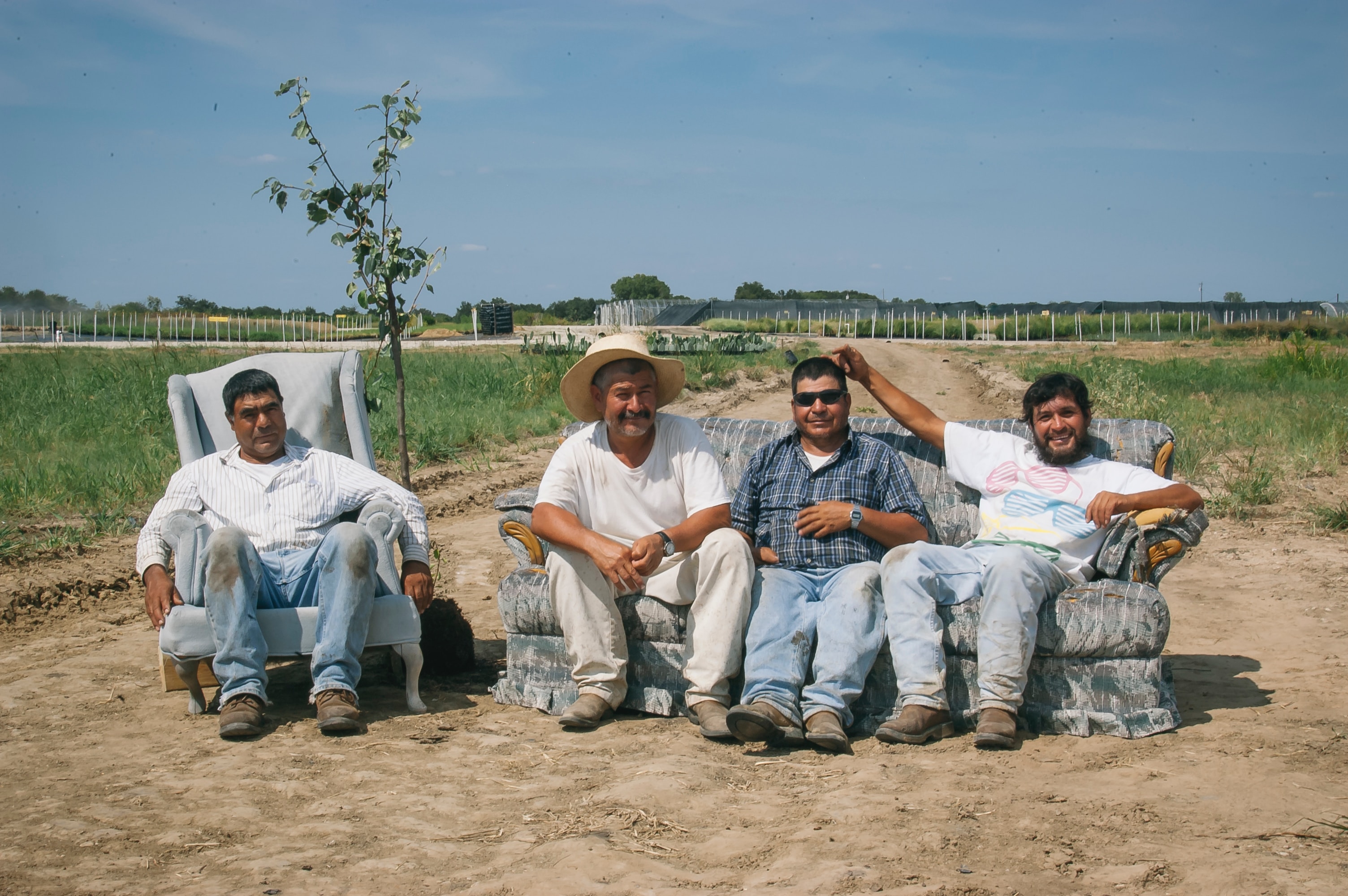
The House of Representatives recently made a bold move that could give undocumented farmworkers a pathway to permanent residence.

Yesterday, December 11, 2019, by a vote of 260-165, the House passed the Farm Workforce Modernization Act, a progressive bill that if approved by the Senate, would create several exciting opportunities for undocumented farmworkers as well as U.S. employers.

What does the Bill propose?

The bill would allow existing agricultural workers in the United States to legalize their status through continued agricultural employment and contribution to the United States economy.

Which workers would be eligible for Permanent Resident Status?

Earned Pathway to Legalization

  • Individuals who have worked in agriculture in the U.S. for at least 10 years before enactment of the bill, must continue to work for at least 4 more years in agriculture on Certified Agricultural Worker (CAW) status before being eligible to apply for permanent residence OR
  • Individuals who have worked in agriculture in the U.S. for less than 10 years, must work at least 8 more years in agriculture on CAW status before being eligible to apply for permanent residence
    • Applicants who qualify based on one of these criteria would be required to pay a $1,000 fine

In addition, the bill would:

  • Create a new temporary worker visa program for current unauthorized farmworkers called Certified Agricultural Worker (CAW) status. CAW visas would be renewable and five-and-a-half years in length. The number of CAW visas would be uncapped.
  • Establish eligibility requirements of the CAW visa.Unauthorized immigrants who have spent at least 180 days of the last two years in agricultural employment would be eligible for the Certified Agricultural Worker Visa.
  • With few exceptions, applicants must meet existing work visa admissibility requirements to be eligible and must pass a criminal background check.
  • Felons and those who have been convicted of multiple misdemeanors (two or more offenses of moral turpitude or three offenses in general) would not be eligible.

Continue reading

sergey-zolkin-_UeY8aTI6d0-unsplash

It’s official. The United States Citizenship and Immigration Services (USCIS) has announced that beginning March 1, 2020 through March 20, 2020, the agency will be implementing a mandatory, Internet-based, electronic registration process for U.S. employers seeking to file H-1B petitions for workers subject to either the 65,000 or 20,000 annual numerical limitations for the fiscal year 2021 cap.

All H-1B petitioners seeking to file a petition for the fiscal year 2021 cap, will be required to complete the mandatory registration process by electronically registering online beginning March 1, 2020 through March 20, 2020, and paying the associated $10 H-1B registration fee.

The registration process will require H-1B petitioners or their authorized representatives to provide basic information about the company and each requested worker. As we get closer to the initial registration period, USCIS will provide step-by-step instructions on its website to inform petitioners on how to complete the registration process. These instructions will be shared on our blog as soon as they become available.

Please note that only petitioners with selected registrations will be eligible to file an H-1B cap-subject petition. If USCIS receives submissions in excess of the 65,000/20,000 annual numerical limitations during the authorized registration period, USCIS will be using electronic submissions to conduct the randomized H-1B computer generated lottery.

Continue reading

mike-petrucci-c9FQyqIECds-unsplash

In this blog post we highlight the best features of E-2 Treaty Investor Visa program, for individuals seeking to live and work in the United States for a temporary period of time.

First let’s discuss what the E-2 visa is. The E-2 visa is a non-immigrant visa type, which means that it is a temporary visa option for individuals who do not wish to immigrate to the United States, but rather are interested in remaining in the United States for a limited period of time.

Secondly, the E-2 visa is a treaty investor visa. This means that in order to qualify for this visa type you must be a national of a country with which the United States maintains a treaty of commerce and navigation. This visa type allows a national of a treaty country to apply for admission to the United States under the E-2 visa category for the purpose of investing a substantial amount of capital in a United States business.

Currently, 89 countries maintain a treaty of commerce and navigation with the United States. Israel and New Zealand are the most recent countries to enter into a treaty commerce and navigation with the United States, allowing nationals of these countries to participate in the E-2 visa program. For a complete list of the countries with which the U.S. maintains a treaty of commerce and navigation, please click here.

The most frequently asked question when it comes to the E-2 visa is, how much money must I invest in order to qualify for this visa type?

The amount of money that must be invested depends on the nature of the business’ operations. USCIS defines the amount of capital to be invested as “a substantial amount of capital” interpreted as:

  • Substantial in relationship to the total cost of either purchasing an established enterprise or establishing a new one
  • Sufficient to ensure the treaty investor’s financial commitment to the successful operation of the enterprise
  • Of a magnitude to support the likelihood that the treaty investor will successfully develop and direct the enterprise.  The lower the cost of the enterprise, the higher, proportionately, the investment must be to be considered substantial.

Thirdly, to qualify for the E-2 visa the investment must be in a bona fide business enterprise that is real, active, and operating and is producing either services or goods for profit. Passive investments are not allowed.

Continue reading