Articles Posted in Embassy Closures

mana5280-XiF1p97u3fc-unsplash-scaled

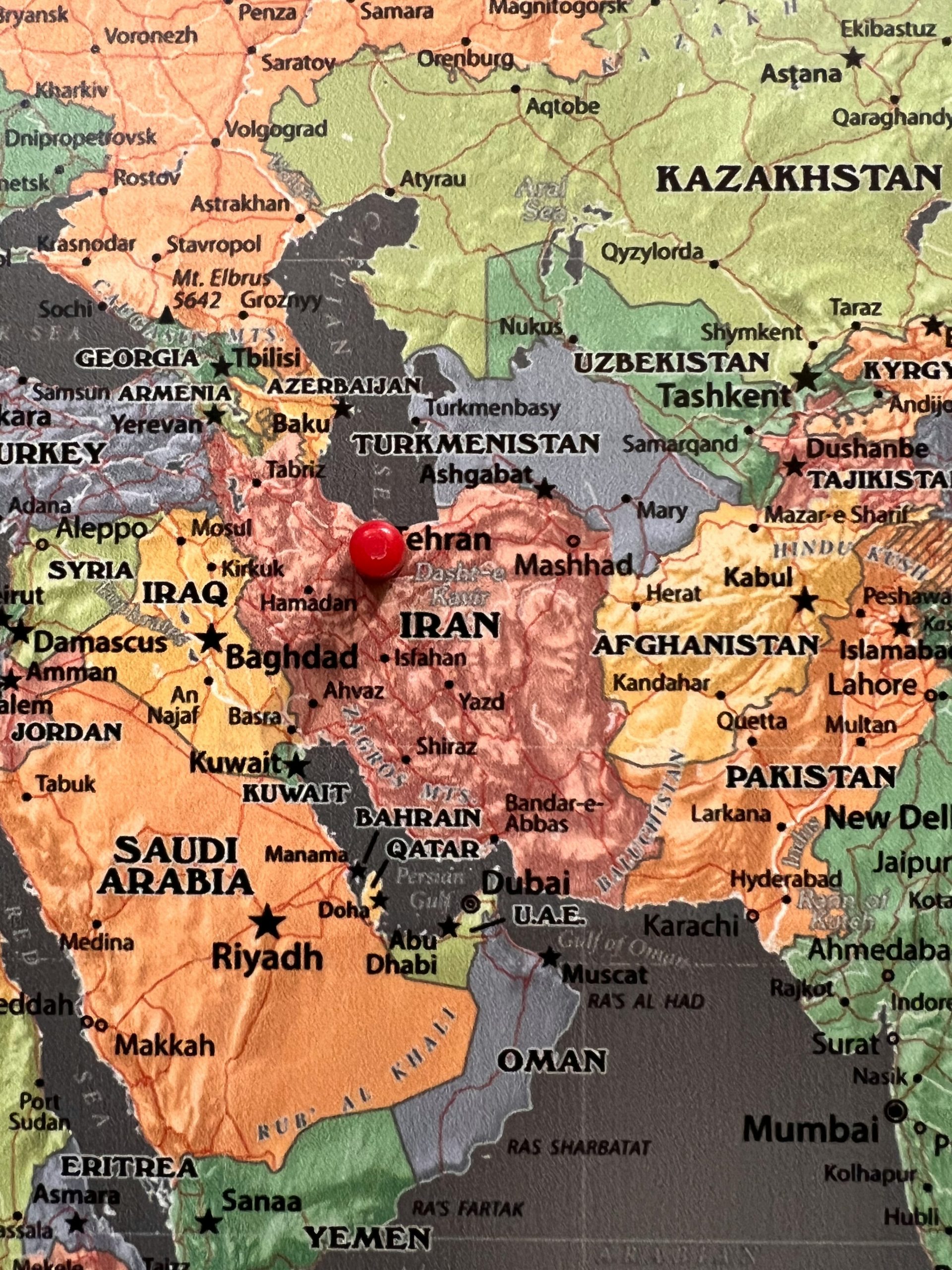
Rising tensions in the Middle East are causing immediate disruptions to visa processing and international travel across the region. According to the State Department, several embassies throughout the Middle East have halted or significantly limited visa services following airstrikes targeting Iran and subsequent retaliatory actions.

The situation is fluid and is evolving on a daily basis.

Widespread Travel Disruptions Across the Middle East


The escalating security situation has triggered widespread travel interruptions throughout the region. Airspace closures have been reported in Iran, Israel, Kuwait, the United Arab Emirates, Bahrain, Iraq, and Qatar. Airlines have suspended flights throughout the region, and there are reports of land border closures and shelter-in-place advisories in several countries.

These disruptions are expected to significantly affect visa issuance, passport returns, and the movement of workers.

U.S. Embassy Visa Services Suspended or Limited


The following U.S. diplomatic missions across the region have implemented operational changes, including canceled appointments, and the suspension of routine visa services until further notice.

  • United Arab Emirates: The U.S. Embassy in Abu Dhabi and the U.S. Consulate in Dubai canceled all visa and U.S. citizen services appointments from March 2–4 while personnel sheltered in place.
  • Beirut: Since February 23rd non-emergency personnel have departed and all consular visa services have been suspended.
  • Qatar: Routine consular appointments at the U.S. Embassy in Doha have been canceled due to ongoing security concerns until further notice.
  • Israel: The U.S. Embassy in Jerusalem and the Tel Aviv branch office have suspended all routine visa services through March 13 and are prioritizing assistance to U.S. citizens.
  • Jordan: The U.S. Embassy in Amman issued a shelter-in-place directive and visa services are suspended for the foreseeable future.
  • Kuwait: Embassy personnel have been ordered to shelter in place and all routine visa have been suspended.
  • Dubai: The U.S. Embassy in Abu Dhabi and the Dubai branch office issued a shelter-in-place directive and all routine visa services and appointments have been postponed.
  • Pakistan: The State Department has ordered non-emergency U.S. government employees from U.S. Consulates Lahore and Karachi to leave Pakistan due to safety risks.  At the U.S. Embassy Islamabad, the consulate will not be open for routine services on March 6, but staff remain available for emergency services only.
  • Cyprus: The State Department ordered non-emergency U.S. government employees to leave Cyprus due to the threat of armed conflict. All routine visa services and U.S. Citizen services have been suspended.
  • Saudi Arabia: The U.S. Mission in Saudi Arabia has suspended all routine and emergency consular services until further notice. The State Department has authorized non-emergency U.S. government employees to leave Saudi Arabia. The U.S. Consulate in Dhahran has specifically ordered the public to stay away from the area due to ongoing attacks and security concerns.


Continue reading

interview-4783433_1280On February 18, 2025, the U.S. Department of State (DOS) announced new changes to the Visa Interview Waiver program, further adding to the unpredictability of the Trump administration.

Among these changes, the State Department has limited the categories of non-immigrants who are eligible to receive waivers of the in-person interview requirement.

Moving forward only the following individuals may qualify:

  • Applicants classifiable under the visa symbols A-1, A-2, C-3 (except attendants, servants, or personal employees of accredited officials), G-1, G-2, G-3, G-4, NATO-1 through NATO-6, or TECRO E-1;
  • Applicants for diplomatic- or official-type visas; and
  • Applicants who previously held a visa in the same category that expired less than 12 months prior to the new application

Additionally, those seeking interview waivers must also meet the following requirements:

  • apply in their country of nationality or residence
  • have never been refused a visa (unless such refusal was overcome or waived); and
  • have no apparent or potential ineligibility.

Previously, non-immigrant visa applicants applying for visa renewals in the same visa category could seek an interview waiver if their visa was expiring within 48 months. The Trump administration has now cut this time to just 12 months.

This means that renewal applicants with visas that expired past the 12-month window will be required to attend in-person interviews at a U.S. Consulate or Embassy.

These visa restrictions along with Trump’s recent executive order requesting Consulates to fire visa officers and local employees, means that wait times for visa appointments will drastically increase, especially in countries already facing severe backlogs.

The State Department has said that visa renewal applicants who qualify for an interview waiver based on the previously stated guidelines may still be required to attend an in-person interview by the Consulate. This is because the interview waiver process is discretionary. It is never guaranteed.

Continue reading

international-2681369_1280

In this blog post, we share with you an important update from the U.S. Embassy in Israel.

If you have a pending nonimmigrant or immigrant visa application awaiting an interview at the U.S. Embassy in Jerusalem or U.S. Embassy Branch Office in Tel Aviv, you should be aware that visa services have been temporarily suspended at these missions due to the ongoing conflict in the region.

The U.S. Embassy in Israel will be focusing its resources to plan the evacuation and departure of U.S. Citizens from the region.

Starting October 13th, the government arranged charter flights to assist U.S. Citizens and their immediate family members to depart Israel.

U.S. citizens in need of assistance must complete the crisis intake form here.


Applying for a Nonimmigrant Visa at a Neighboring U.S. Consulate or Embassy


If you have an urgent need to travel to the United States and do not currently have a nonimmigrant visa, you may apply for your visa at another U.S. Embassy or Consulate other than Jerusalem or Tel Aviv.

You must contact the nonimmigrant visa unit at the neighboring Embassy or Consulate to determine whether they will accept your application as a third-country national.

The U.S. Consulates in Canada allow third-country nationals to apply for visas including Israelis. Alternatively, please check with the specific Consulate regarding their instructions for requesting expedited interview appointments for emergency travel. In most cases, once you have submitted your DS-160 online nonimmigrant visa application and paid the necessary visa fees on the U.S. Department of State Visa Appointment Services webpage, you may request an expedited appointment. More information about expedites can be found on the ‘Frequently Asked Questions’ portion of each country webpage by navigating to the bottom of the DOS Visa Appointment Service and selecting “Answers to Common Questions.”

Continue reading

circle-g7b3c58257_1280

Welcome back to Visalawyerblog!

In this blog post, we bring you the latest information regarding Diversity Visa reassignment procedures for Afghan nationals.

Recently, the State Department announced the appropriate procedures for Diversity Visa lottery case reassignment for Afghan nationals.

Due to the suspension of visa operations at the U.S. Embassy in Kabul, Diversity Visa selectees for the 2023 Diversity Visa program year are advised to request reassignment of their cases to another embassy or consulate abroad that processes Diversity Visa applications.

To understand which Consular posts can accept your case, you must carefully review the U.S. Embassy webpage where you are seeking reassignment. For case reassignment to occur, you must be physically present in the consular district where the consulate or embassy is located at the time of your visa interview. Additionally, you must have permission from the consulate for case reassignment and the ability to remain in that country for a period of time sufficient to complete the processing of your visa application.


How Can I Request Reassignment?


To request reassignment, you must send an e-mail to KCC at KCCDV@state.gov with the subject line “Kabul Reassignment Request.”  Your email must include the following information: (1) full name, (2) date of birth, (3) case number, and (4) the name of the embassy or consulate where you would like your case to be reassigned.  After the KCC reviews your request, you will receive an email confirmation that your reassignment request was successful or, alternatively, requesting more information.  All emails are reviewed in the order they are received.

Continue reading

together-gc428d3cbf_1920

Our readers will be happy to know that the Department of State has released a new update in the month of October on the status of worldwide consular visa operations.

The COVID-19 pandemic caused a period of uncertainty and created tremendous backlogs at the Consular level. As most of you will remember, Consular missions around the world suspended routine visa services in March of 2020 to combat the rapid spread of COVID-19. Later, the Department of State announced a phased resumption of routine visa services, however some Consulates and Embassies resumed services faster than others. Since then, things have slowly but surely started to turn around.

To help improve visa processing, the State Department has said that worldwide visa operations are now recovering faster than expected. More U.S. foreign service personnel have been hired to reduce visa interview wait times at Consular posts worldwide. It is expected that this year, the Department of State will reach pre-pandemic processing levels. This is amazing news for immigrants that have been waiting for visa interview appointments for months, or even years.


How did COVID-19 impact Worldwide Visa Operations?


The COVID-19 pandemic impacted the agency’s ability to process visa applications in two major ways.

First, restrictions on travel to the United States, social distancing, and local quarantine restrictions made it difficult to accommodate large groups of people inside Consular facilities, such as waiting rooms. This of course reduced the number of people that could be scheduled for in-person visa appointments dramatically, causing a reduction in the number of visa applications that could be processed.

Secondly, due to the suspension of visa services worldwide, the State Department experienced a substantial decrease in funding which led to a declining workforce in 2020 and 2021. This dramatically impacted the number of applications that could be processed.

Continue reading

november-geffb92084_1920

In this blog post, we cover the release of the November Visa Bulletin 2022 and what you can expect for employment based and family preference categories during the upcoming month of November.

The Department of State releases the visa bulletin on a monthly basis, which summarizes the availability of immigrant visa numbers for that particular month. The “Final Action Dates” and “Dates for Filing Applications,” charts indicate when immigrant visa applicants should be notified to assemble and submit the required documentation to the National Visa Center.


Adjustment of Status Filing Chart November 2022


For Family-Sponsored Filings:

Pursuant to guidance released by USCIS, for all family-sponsored preference categories, applicants must use the  Dates for Filing chart in the Department of State Visa Bulletin for November 2022.

For Employment-Based Preference Filings:

All applicants, falling under employment-based preference categories, must use the Dates for Filing chart in the Department of State Visa Bulletin for November 2022.


November 2022 Visa Bulletin Dates for Filing Cutoff Dates


Employment-Based Categories


DATES FOR FILING FOR EMPLOYMENT-BASED PREFERENCE CASES


According to the Department of State’s November 2022 Visa Bulletin, the following Dates for Filing cutoff dates will apply for the issuance of an immigrant visa for employment-based categories:

  • EB-1: All countries, including India and China, will remain current.
  • EB-2: EB-2 China will remain at July 8, 2019 and EB-2 India at May 1, 2012. All other countries will remain current.
  • EB-3 Professionals and Skilled Workers: EB-3 India will remain at July 1, 2012, and EB-3 China will remain at July 15, 2018. All other countries will remain current.
  • EB3 Other Workers: EB-3 China will remain at November 1, 2015, and EB-3 India will remain at July 1, 2012. A Date for Filing cut-off date of September 8, 2022, applies to all other countries.
  • EB-4: EB-4 El Salvador, Guatemala, and Honduras will remain at April 15, 2018, and EB-4 Mexico at October 15, 2020. All other countries remain current
  • EB-5: For the EB-5 Unreserved categories (C5, T5, I5, and R5), the Date for Filing for China will remain at January 1, 2016, India will have a Date for Filing cut-off imposed of December 8, 2019, and all other countries will remain current. For the EB-5 “Set-Aside” categories (Rural, High Unemployment, and Infrastructure), the Date for Filing will remain current for all countries.

Continue reading

autumn-g4d4e9f7ea_1280

In this blog post, we cover the release of the October Visa Bulletin 2022 and what you can expect for employment based and family preference categories during the upcoming month of October.

The Department of State releases the visa bulletin on a monthly basis, which summarizes the availability of immigrant visa numbers for that particular month. The “Final Action Dates” and “Dates for Filing Applications,” charts indicate when immigrant visa applicants should be notified to assemble and submit the required documentation to the National Visa Center.


Adjustment of Status Filing Chart October 2022


For Family-Sponsored Filings:

Pursuant to guidance released by USCIS, for all family-sponsored preference categories, applicants must use the  Dates for Filing chart in the Department of State Visa Bulletin for October 2022.

For Employment-Based Preference Filings:

All applicants, falling under employment-based preference categories, must use the Dates for Filing chart in the Department of State Visa Bulletin for October 2022.

Continue reading

visa-g18f04cb24_1920

We end the week with some new developments for United States Citizens with expired passports.

On June 29, 2022, the U.S. Customs and Border Protection (CBP) Carrier Liaison Program announced the end of a policy that previously allowed U.S. Citizens to re-enter the United States from abroad with expired passports.

You may recall that back in May of 2021, the State Department made the decision to allow stranded U.S. Citizens stuck overseas, to temporarily use their expired passports to make a direct return to the United States, provided their passports expired on or after January 1, 2020. The policy was to be in effect until June 30, 2022.

This temporary form of relief was granted in response to the extensive waiting period to renew a U.S. passport from abroad. Unlike Americans inside the United States, those waiting abroad have faced long waiting periods, due to the limited availability of appointments at U.S. Embassies and Consulates worldwide, caused by the global pandemic.

CBP has announced that as of Thursday, June 30, 2022,U.S. citizens will no longer be allowed to use their expired U.S. passport for direct return to the U. S. after June 30, 2022.

In a press release dated June 29, 2022, CBP advises officials that if a U.S. citizen overseas presents an expired U.S. passport to board a flight into the U.S., they must turn the traveler away and direct them to contact their nearest U.S. Embassy or Consulate to apply for a renewal.

Furthermore, CBP has stated that the Regional Carrier Liaison Group will now be responsible for implementing the scope of these new procedures.

Continue reading

outline-g3da870f14_1920
In this blog post, we share with you new immigration updates including major steps being taken by the Biden administration to support the people of Cuba, and the recent suspension of the NVC public inquiry telephone line.


Biden Administration Measures to Support the Cuban People


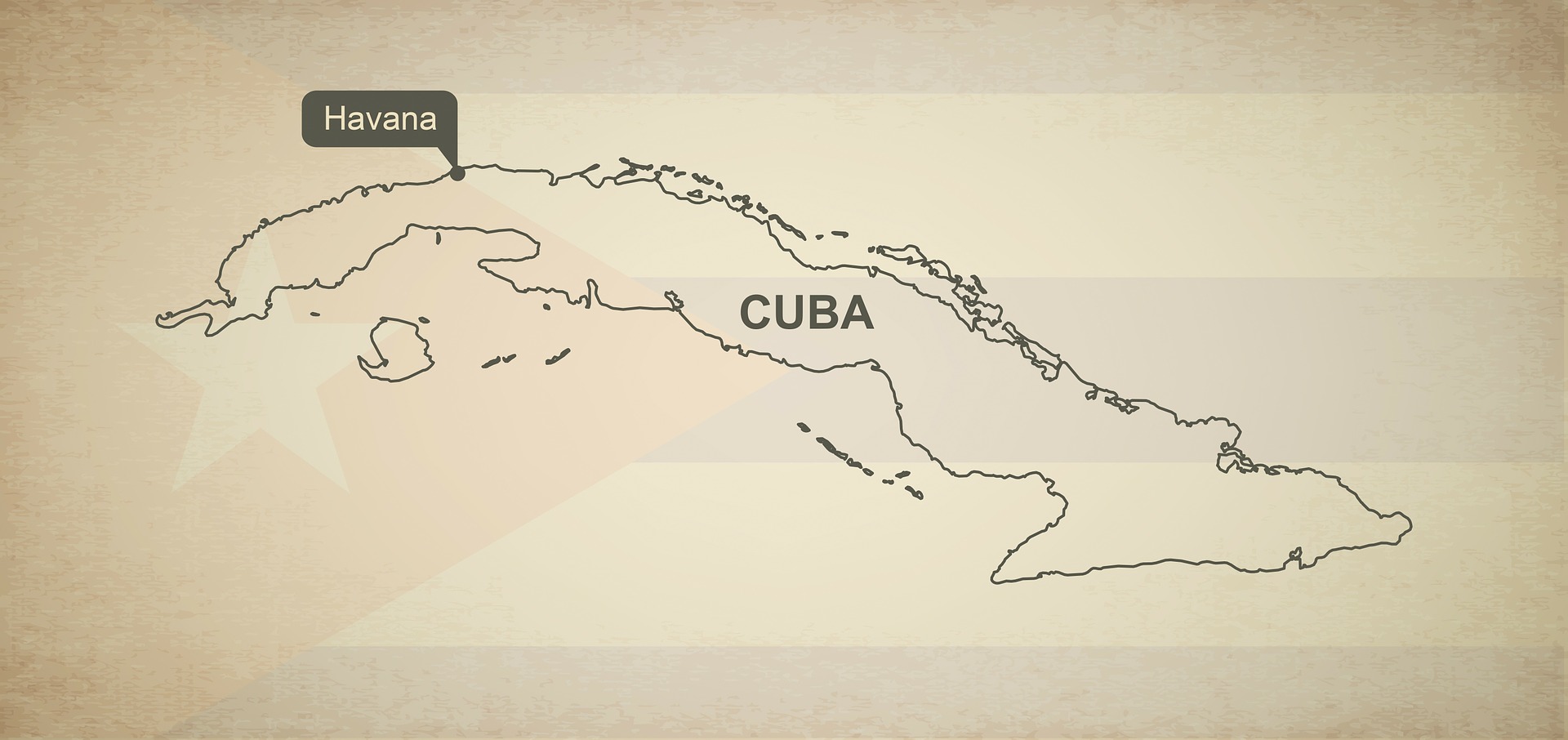
The Biden administration has taken new measures to provide relief to the people of Cuba as they face a humanitarian crisis. Among the major announcements, the government has said that it will be reinstating the Cuban Family Reunification Parole (CFRP) program to promote family reunification and increase capacity for consular services at the U.S. Embassy in Havana, Cuba.

may-g7649f9fc2_1920
In this blog post, we cover the release of the May Visa Bulletin 2022 and what you can expect for employment based and family preference categories during the upcoming month of May.

The Department of State releases the visa bulletin on a monthly basis, which summarizes the availability of immigrant visa numbers for that particular month. The “Final Action Dates” and “Dates for Filing Applications,” charts indicate when immigrant visa applicants should be notified to assemble and submit the required documentation to the National Visa Center.


Adjustment of Status Filing Chart May 2022