Articles Posted in Work Visas

calendar-1559935_1280We are pleased to report that today the U.S. Department of State’s Bureau of Consular Affairs published the August 2025 Visa Bulletin.

In this blog post, we breakdown the movement of the employment-based and family-sponsored categories in the coming month.


USCIS Adjustment of Status


For employment-based preference categories, the U.S. Citizenship and Immigration Services (USCIS) has confirmed it will continue to use the Final Action Dates chart to determine filing eligibility for adjustment of status to permanent residence in the month of August.

For family-sponsored preference categories, USCIS will also continue to use the Dates for Filing chart to determine filing eligibility for adjustment of status to permanent residence in the month of August.

Please click here for more information.


Highlights of the August 2025 Visa Bulletin


At a Glance

What can we expect to see in the month of August?


Employment-Based Categories


Final Action Advancements

EB-2 Members of the Professions and Aliens of Exceptional Ability

  • EB-2 Worldwide, Mexico, Philippines retrogressed by 1.4 months to September 1, 2023

EB-3 Professionals and Skilled Workers and Other Workers

  • EB-3 India will advance by 1 month to May 22, 2013

EB-5 Unreserved Categories (C5, T5, I5, and R5)

  • India will advance by 6.5 months to November 15, 2019
  • China will advance by 22.5 months to December 08, 2015

Continue reading

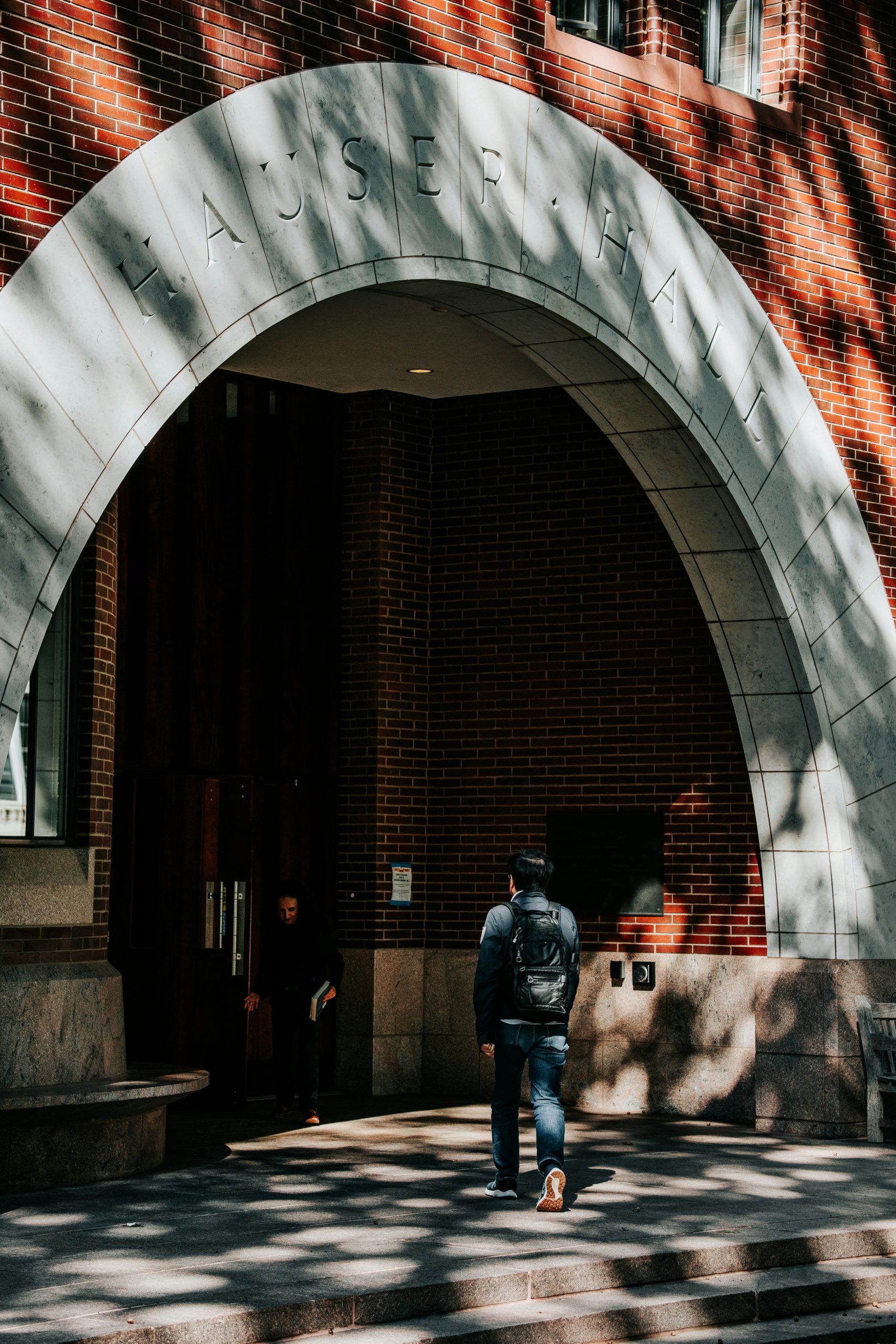
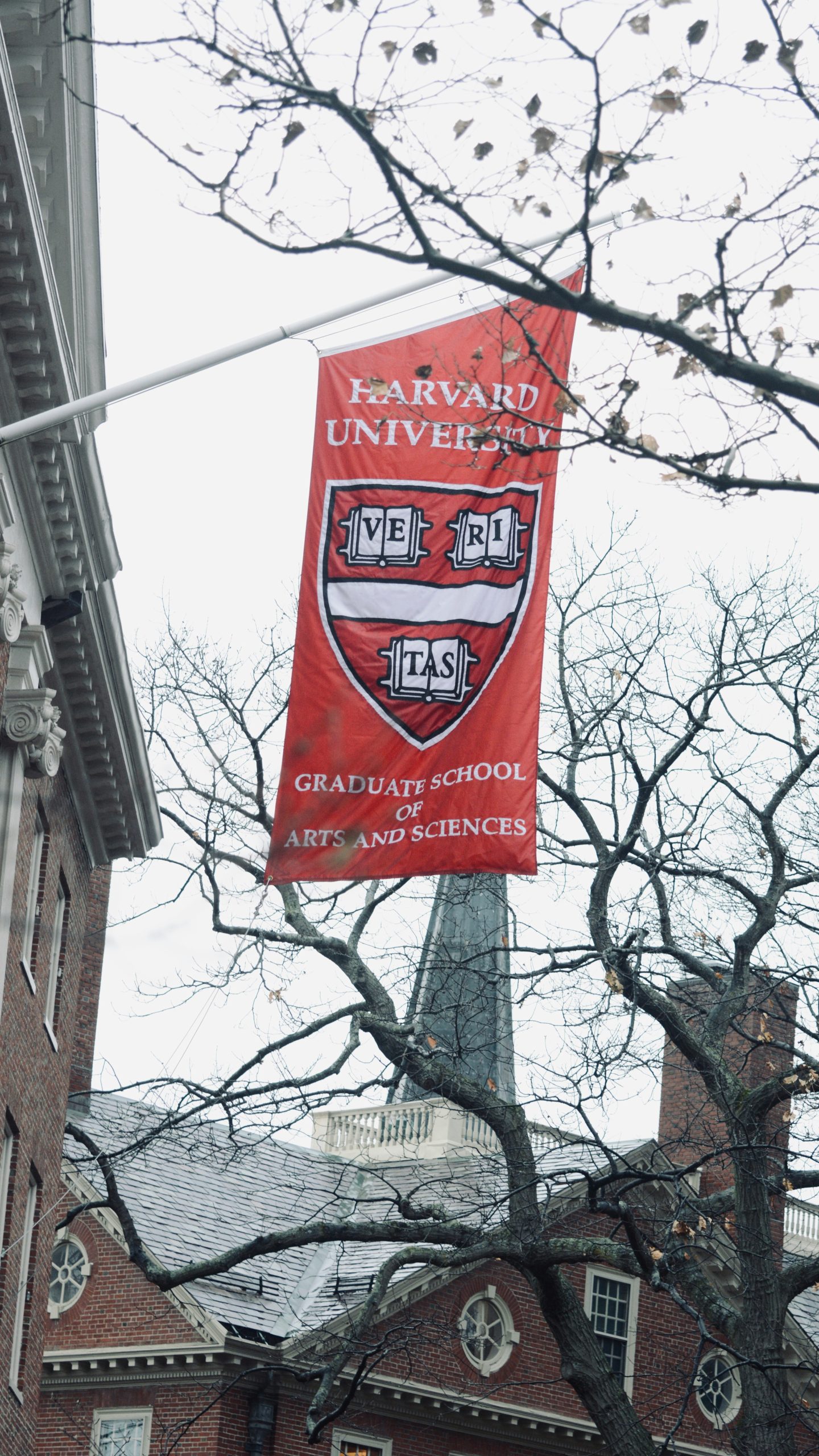
beverly-kimberly-tfiGOGEmJVI-unsplash-scaledOn June 4, 2025, President Trump continued his ongoing assault on Harvard University with a new Executive Order entitled, “Enhancing National Security by Addressing Risks at Harvard University.”

Effective June 4th, the order suspends the entry of all nonimmigrants and exchange visitors bound for Harvard University for a period of 6 months, citing national security concerns over Harvard’s failure to police foreign students and ensure that foreign nationals admitted on student and exchange visitor visas remain in compliance with Federal law.

The executive order also accuses Harvard of having extensive entanglements with foreign adversaries including China.

Who is affected?


All nonimmigrants who enter or attempt to enter the United States to begin attending Harvard University through the Student and Exchange Visitor Program (SEVP) after the effective date of the proclamation (June 4, 2025).

The executive order further empowers the Secretary of State Marco Rubio to consider in his discretion whether foreign nationals who currently attend Harvard University and are in the United States pursuant to F, M, or J visas, should have their visas revoked pursuant to the proclamation.

Who is not affected?


The suspension does not impact Harvard students who are already inside the United States with a valid student visa as of the effective date of the proclamation.

The suspension also does not apply to any alien who enters the United States to attend other universities through the Student and Exchange Visitor Program (SEVP).

It also does not apply to any alien whose entry would be in the national interest, as determined by the Secretary of State, the Secretary of Homeland Security, or their designated representatives.

Impact on Harvard Students Currently in the United States


The executive order does not:

  • Restrict change or extension of status applications filed with U.S. Citizenship and Immigration Services (USCIS)
  • Revoke existing visas, I-94, or STEM OPT work authorization status for students currently in the United States

Continue reading

united-states-8911597_1280After months of speculation and buildup, President Trump’s long-anticipated travel ban has finally arrived.

Issued by executive order on June 4th President Trump’s travel ban entitled “Restricting the Entry of Foreign Nationals to Protect the United States from Foreign Terrorists and Other National Security and Public Safety Threats,” closely mirrors the leaked draft that first surfaced in early March through the New York Times.

That draft hinted at sweeping restrictions targeting so-called “red,” “orange,” and “yellow” countries—coded designations that formed the backbone of President Trump’s proposed directive.

While there are notable differences, as predicted, the administration has framed the ban as a national security measure, but critics argue it remains susceptible to being challenged or overturned through lawsuits that may soon be filed in federal court.

Here’s what you need to know.

President Trump’s travel ban goes into effect today Monday June 9, 2025, at 12:01 am Eastern Daylight time.


Who it Affects


Full Suspension on Nationals from Countries of Concern

The travel ban temporarily suspends the entry of both immigrants and non-immigrants from 12 designated countries who are outside the United States and do not have a valid visa on the effective date of the proclamation, including Afghanistan, Burma, Chad, the Republic of the Congo, Equatorial Guinea, Eritrea, Haiti, Iran, Libya, Somalia, Sudan, and Yemen.

However, several key exceptions apply for lawful permanent residents (LPRs), immediate family members of U.S. citizens, dual nationals, athletes and teams competing in major international sporting events such as the World Cup and the Olympics, and others (a full list of exceptions is provided below).

Continue reading

manu-ros-wvlwZ00eIRk-unsplash-scaledIn recent days, the Trump administration has launched an aggressive campaign targeting international students studying at colleges and universities throughout the United States.

These attacks escalated Thursday last week when the administration first announced that it would be halting Harvard University’s ability to enroll international students by revoking their Student and Exchange Visitor Program (SEVP) certification—a certification that is necessary for U.S. schools to enroll and issue Forms I-20 to F and M international students.

The move sent shockwaves throughout the academic community because it meant Harvard could no longer enroll foreign students, and its more than 7,000 existing international students would be required to transfer or lose their legal status in the United States.

According to the Secretary of the Department of Homeland Security Kristi Noem, such drastic steps were taken due to Harvard’s alleged failure to comply with Student Exchange Visa Program (SEVP) regulations, as well as “encouraging and allowing antisemitic and anti-American violence to rage on its campus and coordinating with Chinese Communist Party officials on training that undermined American national security.”

Less than 24 hours later, Harvard filed a lawsuit in federal court requesting and obtaining a temporary restraining order to block the Trump administration from cutting off its ability to enroll foreign students. The judge found that absent the court order, Harvard would “suffer immediate and irreparable injury.”

Today, that same judge granted Harvard a preliminary injunction extending Harvard’s ability to maintain its SEVP certification intact while the lawsuit moves forward in federal court. This action effectively protects Harvard’s students and allows them to remain in the United States.

Continue reading

happy-memorial-day-1404925_1280
On behalf of our Law Office, we would like to wish you a safe and Happy Memorial Day as you spend it with your loved ones. We would like to extend a thank you to our service men and women and their families this memorial day.

To our clients, please be aware that our offices will be closed today Monday, May 26th in observance of the holiday. We will resume normal business hours on Tuesday, May 27th. We look forward to serving you when we return.


Contact Us. If you would like to schedule a consultation, please text 619-483-4549 or call 619-819-9204.

engineer-4690505_1280The United States Citizenship and Immigration Services (USCIS) recently released detailed statistics and data regarding the number of beneficiaries selected during the fiscal year 2026 H-1B cap season, highlighting the highly competitive nature of the visa process.

Each year, the H-1B visa program allows U.S. employers to temporarily employ foreign workers in specialty occupations, and demand for these visas has consistently gotten tougher throughout the years.

The FY 2026 data shows a significant drop in H-1B registrants, with 126,361 fewer applicants compared to the previous year.

Overview


During the fiscal year 2026 H-1B cap season:

  • USCIS received eligible registrations for 336,153 unique beneficiaries and selected just 118,660 – or approximately 35.3% – of these beneficiaries.
  • The overall number of registrations submitted in FY 2026 decreased dramatically from 470,342 eligible registrations filed last year to just 343,981 eligible registrations filed this year.
  • On average, each beneficiary only had approximately one registration submitted on their behalf.
  • USCIS is not expected to announce a second cap lottery until at least July 2025, after the current H-1B filing period closes.

Continue reading

arrested-8303916_1280In the latest clash between the Trump administration and the judiciary—Milwaukee County Circuit Court Judge Hannah Dugan has been arrested by agents from the Federal Bureau of Investigation (FBI) for accusations of helping a man evade immigration authorities.

This all went down on Friday April 25th after allegations that the judge directed an undocumented immigrant and his lawyer to exit her courtroom through a side door after learning that federal immigration agents were waiting in the hallway to arrest him.

Upon being spotted by agents outside the courthouse, the man was pursued on foot and was ultimately taken into custody.

These actions have prompted a showdown over allegations of obstruction of justice amid Trump’s immigration crackdowns. The U.S. attorney general Pam Bondi has accused the judge of interfering with the government’s enforcement priorities claiming the arrest sends a “strong message” to judges that they will be prosecuted if they “escort a criminal defendant out a back door.”

The circumstances surrounding the judge’s arrest remain unclear. What is known is that six federal officers descended upon the Milwaukee County Courthouse to arrest Eduardo Flores-Ruiz, a Mexican national attending a court hearing to respond to battery charges in connection with a criminal complaint filed by his roommate.

Continue reading

registration-7273476_1280Starting April 11, 2025, USCIS will begin requiring certain foreign nationals to register with the agency and submit to fingerprinting if they remain in the United States for 30 days or longer. Foreign nationals who remain in the U.S. for less than 30 days are not required to register.

Failure to comply may expose you to criminal or civil penalties, but registering also means providing sensitive personal information to USCIS that may be used in future enforcement actions.

This makes it important for noncitizens to seek the guidance of an immigration attorney. (See important warnings below.)

In this blog post you will learn what the registration requirement is about, who is required to register, the risks of registering, and information about the registration process.


What is the Alien Registration Requirement?


The requirement for foreign nationals to register with the U.S. government is not new—it began in 1940, when Congress first passed a law requiring all foreign nationals to register with the federal government, to provide biographic details (fingerprints), and carry proof of their registration.

Most foreign nationals have been unaware of this requirement because the vast majority are considered “automatically registered” when undergoing the routine visa issuance process and lawfully entering the United States through a port of entry.

However, the alien registration requirement had one glaring flaw. Those who entered the country unlawfully had no way to comply with the registration requirement and meet their obligations under the law.

Continue reading

winner-4443135_1280In this blog post, we bring you an important announcement regarding the H-1B visa fiscal year (FY) 2026 cap season.

Today, March 31st the U.S. Citizenship and Immigration Services (USCIS) announced that it received sufficient electronic registrations during the initial registration period to meet the annual numerical limitations for fiscal year 2026, including for the advanced degree exemption (also known as the master’s cap).

Due to this, the agency has completed the H-1B visa lottery and selected unique beneficiaries at random from the properly submitted electronic registrations to reach the H-1B cap.

As of today, March 31st USCIS has notified all prospective petitioners of their selection via their myUSCIS organizational accounts. Please be aware that only selected beneficiaries are eligible to file an H-1B cap-subject petition with USCIS.

Congratulations to all those who were selected!


How will I know if I was selected in the lottery?


Petitioners with selected registrations will have their myUSCIS online organizational accounts updated to include a selection notice, which includes details of when and where to file. If you submitted your electronic registration with the assistance of an attorney, you should contact your legal representative to determine whether you were selected in the randomized lottery and your next steps.

Please note that a registrant’s USCIS online account will show one of the following statuses for each beneficiary registered:

  • Submitted: The registration has been submitted and is eligible for selection. If the initial selection process has been completed, this registration remains eligible, unless subsequently invalidated, for selection in any subsequent selections for the fiscal year for which it was submitted.
  • Selected: Selected to file an H-1B cap petition.
  • Not Selected: Not eligible to file an H-1B cap petition based on this registration.
  • Denied – duplicate registration: Multiple registrations were submitted by or on behalf of the same registrant for the same beneficiary. If denied as a duplicate registration, all registrations submitted by or on behalf of the same registrant for this beneficiary for the fiscal year are invalid.
  • Invalidated –failed payment: A registration was submitted but the payment method was declined, not reconciled, or otherwise invalid.
  • Deleted: The submitted registration has been deleted and is no longer eligible for selection.

Continue reading

ai-generated-8775943_1280We knew it was coming. The Trump administration is preparing to roll out a new ban on travel to the United States, restricting the entry of citizens from certain countries for which vetting and screening warrants a partial or full suspension of admission to the United States. This travel restriction is rumored to take place by executive action next week.

If this sounds like déjà vu, that’s because it is.

During his first term in office, in 2017 Trump signed Executive Order 13769 entitled, “Protecting the Nation from Foreign Terrorist Entry into the United States,” which banned nationals from seven Muslim-majority countries from entering the United States for a period of 90 days.

This executive order caused international chaos, due to several key provisions:

  • It suspended the entry of immigrants and non-immigrants from seven predominantly Muslim countries including Iran, Iraq, Libya, Somalia, Sudan, Syria, and Yemen – for 90 days
  • The order indefinitely suspended the entry of Syrian refugees
  • It reduced the number of refugees to be admitted to the United States in 2017 to 50,000
  • The U.S. Refugee Admissions Program (USRAP) was suspended for 120 days

Implementation of this executive order led to controversy and numerous legal challenges:

  • More than 700 travelers were detained, and up to 60,000 visas were “provisionally revoked”
  • Protests and chaos erupted at airports across the country
  • Multiple lawsuits were filed in federal court challenging its constitutionality

Continue reading