Articles Posted in Professionals

button-7850713_1280

We are pleased to report that today the U.S. Department of State’s Bureau of Consular Affairs published the July 2025 Visa Bulletin.

In this blog post, we breakdown the movement of the employment-based and family-sponsored categories in the coming month.


USCIS Adjustment of Status


For employment-based preference categories, the U.S. Citizenship and Immigration Services (USCIS) has confirmed it will continue to use the Final Action Dates chart to determine filing eligibility for adjustment of status to permanent residence in the month of July.

For family-sponsored preference categories, USCIS will also continue to use the Dates for Filing chart to determine filing eligibility for adjustment of status to permanent residence in the month of July.

Please click here for more information.


Highlights of the July 2025 Visa Bulletin


At a Glance

What can we expect to see in the month of July?

Employment-Based Categories


Final Action Advancements


EB-1 Aliens of extraordinary ability, Outstanding Professors and Researchers, and Certain Multinational Managers or Executives

  • EB-1 China will advance by 1 week to November 15, 2022

EB-2 Members of the Professions and Aliens of Exceptional Ability

  • EB-2 China will advance by 2 weeks to December 15, 2020

Continue reading

manu-ros-wvlwZ00eIRk-unsplash-scaledIn recent days, the Trump administration has launched an aggressive campaign targeting international students studying at colleges and universities throughout the United States.

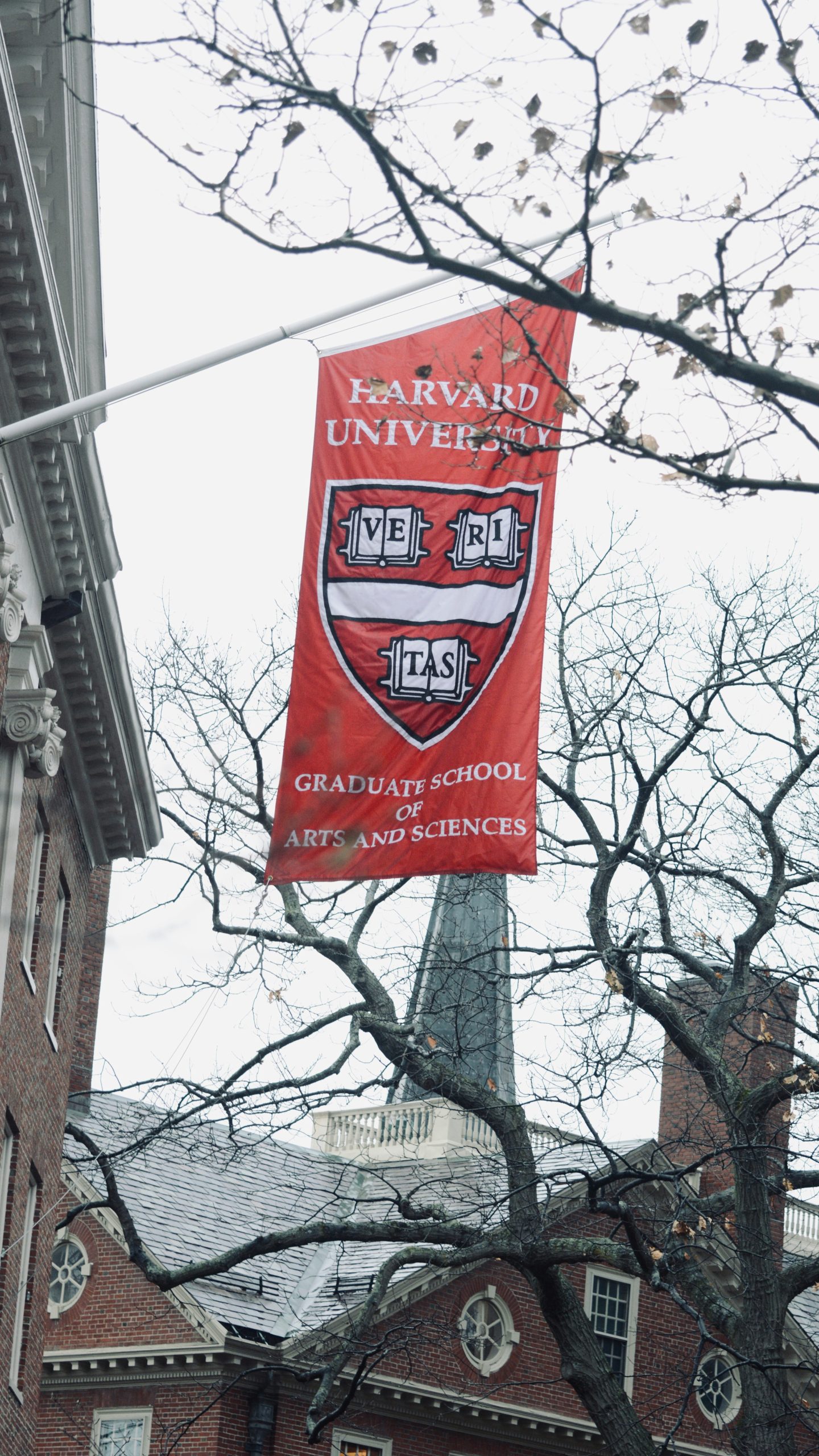
These attacks escalated Thursday last week when the administration first announced that it would be halting Harvard University’s ability to enroll international students by revoking their Student and Exchange Visitor Program (SEVP) certification—a certification that is necessary for U.S. schools to enroll and issue Forms I-20 to F and M international students.

The move sent shockwaves throughout the academic community because it meant Harvard could no longer enroll foreign students, and its more than 7,000 existing international students would be required to transfer or lose their legal status in the United States.

According to the Secretary of the Department of Homeland Security Kristi Noem, such drastic steps were taken due to Harvard’s alleged failure to comply with Student Exchange Visa Program (SEVP) regulations, as well as “encouraging and allowing antisemitic and anti-American violence to rage on its campus and coordinating with Chinese Communist Party officials on training that undermined American national security.”

Less than 24 hours later, Harvard filed a lawsuit in federal court requesting and obtaining a temporary restraining order to block the Trump administration from cutting off its ability to enroll foreign students. The judge found that absent the court order, Harvard would “suffer immediate and irreparable injury.”

Today, that same judge granted Harvard a preliminary injunction extending Harvard’s ability to maintain its SEVP certification intact while the lawsuit moves forward in federal court. This action effectively protects Harvard’s students and allows them to remain in the United States.

Continue reading

engineer-4690505_1280The United States Citizenship and Immigration Services (USCIS) recently released detailed statistics and data regarding the number of beneficiaries selected during the fiscal year 2026 H-1B cap season, highlighting the highly competitive nature of the visa process.

Each year, the H-1B visa program allows U.S. employers to temporarily employ foreign workers in specialty occupations, and demand for these visas has consistently gotten tougher throughout the years.

The FY 2026 data shows a significant drop in H-1B registrants, with 126,361 fewer applicants compared to the previous year.

Overview


During the fiscal year 2026 H-1B cap season:

  • USCIS received eligible registrations for 336,153 unique beneficiaries and selected just 118,660 – or approximately 35.3% – of these beneficiaries.
  • The overall number of registrations submitted in FY 2026 decreased dramatically from 470,342 eligible registrations filed last year to just 343,981 eligible registrations filed this year.
  • On average, each beneficiary only had approximately one registration submitted on their behalf.
  • USCIS is not expected to announce a second cap lottery until at least July 2025, after the current H-1B filing period closes.

Continue reading

winner-4443135_1280In this blog post, we bring you an important announcement regarding the H-1B visa fiscal year (FY) 2026 cap season.

Today, March 31st the U.S. Citizenship and Immigration Services (USCIS) announced that it received sufficient electronic registrations during the initial registration period to meet the annual numerical limitations for fiscal year 2026, including for the advanced degree exemption (also known as the master’s cap).

Due to this, the agency has completed the H-1B visa lottery and selected unique beneficiaries at random from the properly submitted electronic registrations to reach the H-1B cap.

As of today, March 31st USCIS has notified all prospective petitioners of their selection via their myUSCIS organizational accounts. Please be aware that only selected beneficiaries are eligible to file an H-1B cap-subject petition with USCIS.

Congratulations to all those who were selected!


How will I know if I was selected in the lottery?


Petitioners with selected registrations will have their myUSCIS online organizational accounts updated to include a selection notice, which includes details of when and where to file. If you submitted your electronic registration with the assistance of an attorney, you should contact your legal representative to determine whether you were selected in the randomized lottery and your next steps.

Please note that a registrant’s USCIS online account will show one of the following statuses for each beneficiary registered:

  • Submitted: The registration has been submitted and is eligible for selection. If the initial selection process has been completed, this registration remains eligible, unless subsequently invalidated, for selection in any subsequent selections for the fiscal year for which it was submitted.
  • Selected: Selected to file an H-1B cap petition.
  • Not Selected: Not eligible to file an H-1B cap petition based on this registration.
  • Denied – duplicate registration: Multiple registrations were submitted by or on behalf of the same registrant for the same beneficiary. If denied as a duplicate registration, all registrations submitted by or on behalf of the same registrant for this beneficiary for the fiscal year are invalid.
  • Invalidated –failed payment: A registration was submitted but the payment method was declined, not reconciled, or otherwise invalid.
  • Deleted: The submitted registration has been deleted and is no longer eligible for selection.

Continue reading

painting-1292226_1280-1We are pleased to report that today the U.S. Department of State’s Bureau of Consular Affairs published the March 2025 Visa Bulletin.

In this blog post, we breakdown the movement of the employment-based and family-sponsored categories in the coming month.


USCIS Adjustment of Status


For employment-based preference categories, the U.S. Citizenship and Immigration Services (USCIS) has confirmed it will continue to use the Final Action Dates chart to determine filing eligibility for adjustment of status to permanent residence in the month of March.

For family-sponsored preference categories, USCIS will also continue to use the Dates for Filing chart to determine filing eligibility for adjustment of status to permanent residence in the month of March.

Please click here for more information.


Highlights of the March 2025 Visa Bulletin


At a Glance

What can we expect to see in the month of March?

Employment-Based Categories

Dates for Filing


  • No change from previous month 

Final Action Advancements & Retrogressions


EB-2 Members of the Professions and Aliens of Exceptional Ability

  • EB-2 India will advance by more than six weeks to December 1, 2012
  • EB-2 China will advance by two weeks to May 8, 2020
  • EB-2 All other countries will advance by six weeks to May 15, 2023

EB-3 Professionals and Skilled Workers

  • EB-3 India will advance by almost seven weeks to February 1, 2013
  • EB-3 China will advance by one month to August 1, 2020

EB-3 Other Workers

  • EB-3 India will advance by almost seven weeks to February 1, 2013
  • EB-3 Philippines will advance by five weeks to January 15, 2021
  • EB-3 All other countries will advance by almost two months to February 1, 2021

EB-4 Religious Workers

  • EB-4 All countries retrogressed by seventeen months to August 1, 2019 

Continue reading

engineer-4922781_1280On January 15, 2025, the U.S. Citizenship and Immigration Services (USCIS) released updated police guidance for EB-2 National Interest Waiver petitions.

The updated policy guidance is effective immediately and applies to requests pending or filed on or after its publication date of January 15.

This guidance provides insights into how USCIS officials will determine eligibility for NIW petitions for employment-based immigrants, who are seeking a waiver of the job offer requirement, and thus labor certification.

Updated Policy Highlights


  • Clarifies that a petitioner seeking a national interest waiver must first demonstrate qualification for the underlying EB-2 classification, as either a member of the professions holding an advanced degree, or an individual of exceptional ability in the sciences, arts, or business.
  • Explains that USCIS considers on a case-by-case basis whether the occupation in which the person proposes to advance an endeavor is a profession and, if applicable, whether the 5 years of post-baccalaureate experience is in the specialty, noting that it is the petitioner’s burden to establish each element of eligibility.
  • Clarifies that USCIS determines the relationship between exceptional ability and the proposed endeavor on a case-by-case basis, considering any shared skillsets, knowledge, or expertise.
  • Provides additional guidance, with examples, about how USCIS evaluates whether a proposed endeavor has national importance.
  • Explains how USCIS evaluates evidence such as letters of support and business plans, when determining whether a person is well positioned to advance an endeavor.
  • Clarifies, with examples, that not every entrepreneur qualifies for a national interest waiver. While USCIS decides each case on its merits, broad assertions regarding general benefits to the economy and potential to create jobs will not establish an entrepreneur’s qualification for a national interest waiver.
  • Explains that, as with all adjudications, USCIS evaluates all of the evidence in the aggregate, and that the list of suggested evidence for entrepreneurs is not intended to suggest that any one piece, by itself, necessarily establishes eligibility. USCIS reviews all of the person’s education, experience, and skills and the benefit to the national interest when determining eligibility.

Continue reading

54160491284_b32055f6df_oAfter years of criticizing the H-1B work visa program, benefitting highly skilled foreign talent, on Saturday the President-elect shocked the world when he pledged his support for the program.

In an interview with the New York Post, Trump said, “I’ve always liked the visas, I have always been in favor of the visas. That’s why we have them,” referring to the H-1B program, which allows U.S. companies to hire foreign workers in specialty occupations.

The President elect went on to say, “I have many H-1B visas on my properties. I’ve been a believer in H-1B. I have used it many times. It’s a great program.”

These comments are a sudden change from Trump’s usual hardline stance on H-1B visas. During his first term in office, Trump passed an executive action known as “Buy American and Hire American,” which restricted access to H-1B visas.

His administration was also responsible for a dramatic increase in the issuance of Requests for Evidence, as well as denials of H-1B worker petitions—a record high when compared to previous administrations.

Since speaking with the media, Trump allies Elon Musk and Vivek Ramaswamy, both made posts on social media vehemently pledging their support for the H-1B visa program.

Continue reading

pennant-1689011_1280New changes to the H-1B work visa program are coming on January 17, 2025.

A new final rule published by the Department of Homeland Security (DHS) in the Federal Register lays out some of the critical changes that H-1B beneficiaries and U.S. employers can expect. These changes will become effective on January 17, 2025, just three days before the inauguration of Donald Trump.

While we do not know whether these changes will be overturned or modified by the Trump administration, it is important for both employers and beneficiaries to be aware of them.

Highlights of the Final Rule


  • Modernizes the definition and criteria for H-1B specialty occupations
  • Introduces cap-gap protections for F-1 students seeking a change of status to H-1B
  • Streamlines the processing of applications for individuals who were previously approved for an H-1B visa
  • Allows H-1B beneficiaries with a controlling interest in the petitioning organization to be eligible for H-1B status subject to certain conditions (such as founders and entrepreneurs)
  • Clarifies that employers must have a legal presence in the United States

Continue reading

donald-trump-2030308_1280In this blog post, we discuss how Trump’s return to the White House on January 20th could impact employment-based visa applicants and their employers in the years ahead.

While the Trump campaign has been very vocal about their zero-tolerance policy toward illegal immigration, much less has been said about employment-based immigration. For that reason, it has been hard to know exactly what lies ahead for foreign workers.

While we don’t have all the answers, Trump’s track record on employment-based immigration helps provide insights into the changes we are likely to see during his second term.

To help readers understand how the incoming Trump administration may impact employment-based immigration, we have drawn up the top five areas where there is a high likelihood that changes may be introduced either by executive action or internal policymaking.

This information is based on our collective experience dealing with immigration agencies during Trump’s first term in office. Readers should be aware that none of this information is set in stone. Immigration policies are likely to evolve as the Trump administration settles in and as the political climate becomes more balanced.


Increasing Vetting and Processing Times for Employment-Based Workers


Foreign workers who plan to file employment-based cases should be aware of the following potential changes in the months ahead.

  1. The Return of Employment-Based Green Card Interviews?

In 2017, the Trump administration made the employment-based green card application process much more difficult when it required adjustment of status applicants to attend in-person interviews.

This directive was handed down with the passage of Trump’s executive order known as “Protecting the Nation from Foreign Terrorist Entry Into the United States.” This executive order was meant to crack down on immigration, by combating fraud and abuse in the green card process.

The decision to reinstate visa interviews for employment-based green card applicants led to a sharp increase in processing times at USCIS offices nationwide. This was due to the increased demand for interviews and limited resources available to accommodate the surge in applicants.

While in-person interviews are generally required under the law, prior to Trump’s presidency, the U.S. Citizenship and Immigration Services (USCIS) waived in-person interviews for a broad category of applicants, including employment-based green card applicants to better allocate resources toward higher risk cases.

Continue reading

ai-generated-9069956_1280The fallout of the 2024 Presidential election has left high-skilled foreign workers asking what the Trump administration may have in store for them in the new year.

Perhaps the most vulnerable to attack is the H-1B work visa program, which was previously targeted by the Trump administration. A second term for Donald Trump promises to bring a new set of challenges for H-1B workers, including a hike on mandated salaries paid by U.S. employers, and increased scrutiny leading to a predicted surge in Requests for Evidence and H-1B visa denials.

About the H-1B Work Visa


H-1B workers are a subset of professional workers that have long filled a critical need in the U.S. labor market, especially for those working in the sciences, technology, engineering, and mathematics (STEM) fields.

Every year, U.S. employers from hundreds of industries use the H-1B visa program to bring highly skilled and well-educated foreign professionals to work for them in the United States. To qualify, H-1B workers must have a job offer from a U.S. employer to work in a “specialty occupation,” which requires a baccalaureate degree or the equivalent work experience to work in the field. Applicants must demonstrate that they have the academic and professional qualifications to work for the U.S. employer.

Only 65,000 H-1B visas are available every year, with an additional 20,000 visas made available to professionals with a U.S. master’s degree or higher in their field.

The annual visa limits mean that the H-1B work visa program is a “lottery” based visa, requiring employers to submit an electronic registration every Spring, to have a chance of being selected.

Continue reading