Articles Posted in CBP

donald-2911302_1280Trump Administration Plans Revocation of CHNV Parole Leaving Thousands Without Legal Status


In a shocking turn of events, new information has been released by CBS News about the Trump administration’s imminent plans to revoke the legal status of those who were granted humanitarian parole under the Cuba, Haiti, Nicaragua, and Venezuela (CHNV) humanitarian parole programs.

It is estimated that more than 530,000 Cubans, Haitians, Nicaraguans and Venezuelans are currently in the U.S. under these programs.

What is CHNV Parole?


The CHNV parole program was first enacted in 2023 by the Biden administration. Much like the Uniting for Ukraine parole program, nationals from qualifying countries (Cuba, Haiti, Nicaragua, and Venezuela) were required to have a U.S.-based supporter, pass enhanced security vetting, and meet other criteria to gain admission to the U.S.

Those admitted were granted entry to the U.S. for a temporary period of up to two years, including the ability to apply for temporary employment authorization with the U.S. Citizenship and Immigration Services (USCIS).

Following President Trump’s day one executive order entitled, “Securing Our Borders,” on January 28th USCIS stopped the acceptance of Form I-134A, Online Request to be a Supporter and Declaration of Financial Support, for these parole programs pending further review. This was the first sign of trouble for the CHNV program. The CHNV parole webpage is no longer available on the USCIS website.

DHS Notice to Revoke CHNV


According to internal government documents reviewed by CBS News, the Department of Homeland Security will soon publish a notice in the Federal Register terminating the CHNV parole programs and revoking the parole status of all who were granted entry to the United States under the CHNV humanitarian parole programs.

Such individuals will be placed in removal proceedings if they do not have any other lawful basis to remain in the country.

What this means: 

  • Those whose parole classification is revoked, and who lack another immigration status, will be immediately ineligible to remain in the United States, and can no longer work on a lawful basis.
  • Accelerated Deportations: The Department of Homeland Security has expanded expedited removal procedures, targeting individuals without permanent legal status
  • Alternative Legal Pathways: those in the U.S. under CHNV parole must explore alternative legal avenues to remain in the U.S. or prepare to depart

Continue reading

american-flag-2054414_1280This week President Trump unleashed a fresh barrage of executive orders targeting illegal immigration and antisemitism in the United States.

Executive Order Expanding Migration Operations at Guantánamo Bay


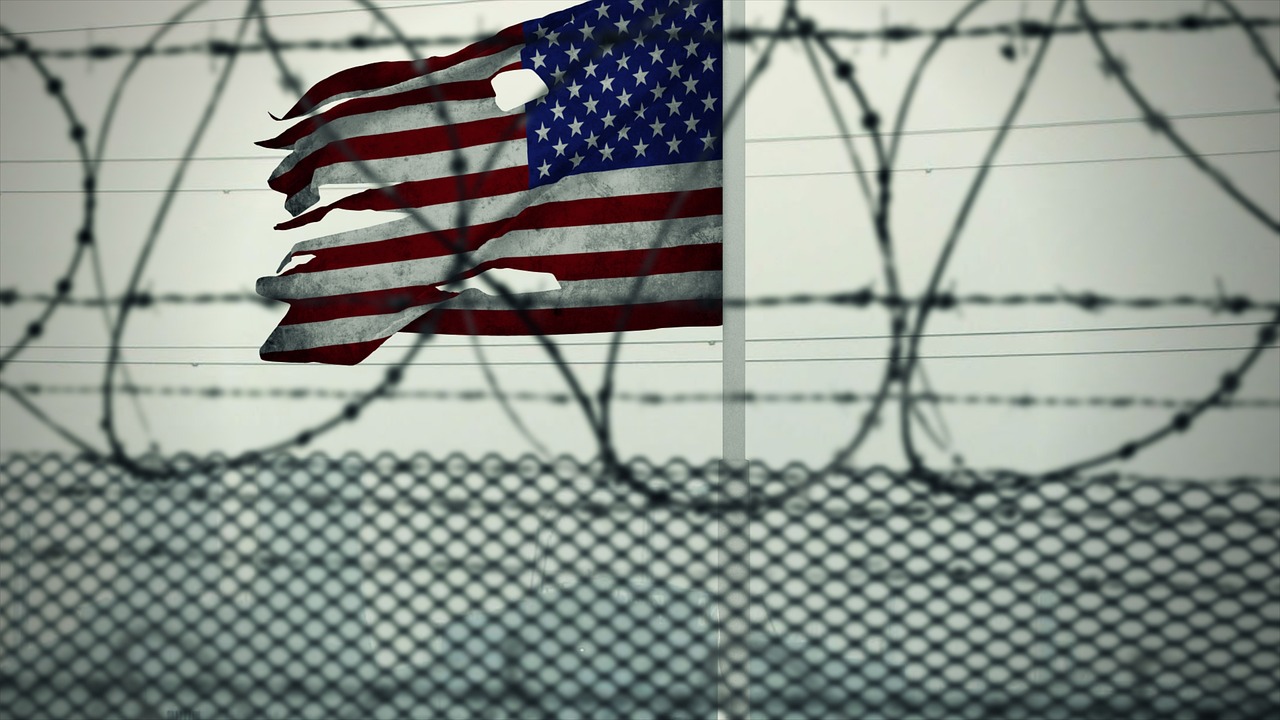
Among these orders, on January 29th the President signed, “Expanding Migration Operations Center at Naval Station Guantánamo Bay,” unveiling his administration’s plans to use a migrant holding facility at the U.S. naval base in Guantánamo Bay, Cuba, to house more than 30,000 migrants deported from the United States.

The White House has said the naval station will soon be operating at its full capacity to detain “high priority” criminal aliens unlawfully present in the United States, and to “address attendant immigration enforcement needs,” identified by the Department of Defense and the Department of Homeland Security.

Immigration advocates have questioned the optics of this decision due to Guantánamo Bay’s sordid history. Once a processing center for asylum seekers and HIV-positive refugees, it has been well known for its detainment of notorious terrorists and unlawful enemy combatants such as the 9/11 mastermind Khalid Sheikh Mohammed. This decision has raised alarm due to Guantanamo’s unfit conditions and frequent human rights violations reported to international human rights organizations.

Despite these criticisms, the White House has said that deported migrants held in Guantánamo will not be detained in the same U.S. military prison where foreign terrorists are being held. Instead, migrants will be placed in a separate holding facility previously used to detain migrants intercepted at sea.

Continue reading

american-flag-3001893_1280We start the week with the unfortunate news that hundreds of visa applicants were turned away at the U.S. Embassy in Bogotá, Colombia, following a political dispute between President Donald Trump and Colombian President Gustavo Petro.

Tensions between the two heads of state came to a head on Sunday after President Trump wrote on his Truth Social account, “I was just informed that two repatriation flights from the United States, with a large number of Illegal Criminals, were not allowed to land in Colombia. This order was given by Colombia’s Socialist President Gustavo Petro…”

He added, “Petro’s denial of these flights has jeopardized the National Security and Public Safety of the United States, so I have directed my Administration to immediately take the following urgent and decisive retaliatory measures….”

Among these measures, President Trump vowed to:

  • Raise tariffs on all Colombian goods entering the United States
  • Enforce an immediate travel ban and visa revocations on all Colombian government officials, aliens, and supporters
  • Order visa sanctions on all party members, family members, and supporters of the Colombian government and
  • Enhance Customs and Border Protection (CBP) inspections of all Colombian nationals and cargo on “national security” grounds

Shortly thereafter, the U.S. Department of State and Customs and Border Protection (CBP) announced through their spokespersons that they would enforce the President’s orders by immediately ordering the suspension of visa issuance at the U.S. Embassy in Bogotá, Colombia.

Continue reading

library-of-congress-jPN_oglAjOU-unsplash-scaledIt has been less than 24 hours since President Donald Trump has taken office, and he has already signed into law a flurry of executive orders directly impacting immigration.

More than a dozen of these executive orders dismantle Biden era immigration policies, and usher in restrictive policies for visa seekers, asylum applicants, and undocumented immigrants.

The swift issuance of these executive orders signals a tough political climate ahead for immigration, and what is sure to be a continuance of the Trump administration’s hardline stance on immigration.

While some of these executive orders may face legal challenges, here is a summary of all the executive orders affecting immigration issued on day one of Trump’s presidency.


Executive Order: President Trump’s America First Priorities


President Trump’s first executive order entitled “President Trump’s America First Priorities,” states the following as top priorities of his administration, which touch upon immigration.

  • President Trump promises to take “bold action” to secure the U.S. border and protect communities by calling on the U.S. Armed Forces and National Guard to assist with border security
  • At the President’s direction, the State Department will have an “America-First” foreign policy
  • Ends Biden’s Catch-and-Release Policies

What it is: Catch-and-release authorized the release of individuals without legal status from detention while awaiting immigration court hearings.

  • Reinstates Remain in Mexico Policy

What it is: Known formerly as the Migrant Protection Protocol, this policy will require certain asylum seekers at the southern border to wait in Mexico for their hearings in U.S. immigration court.

  • Continues the construction of his southern border wall with Mexico
  • Prohibits asylum for individuals who have crossed the border illegally

What it is: Aims to end asylum and close the border to those without legal, to facilitate a more immediate removal process

  • Cracks down on U.S. sanctuary cities
  • Enhanced vetting and screening of noncitizen aliens seeking admission to the U.S.

What it is: The President will direct agencies to report recommendations for the suspension of entry for nationals of any country of particular concerns.

  • Expands deportation operations for aliens with a criminal record
  • Suspends the refugee resettlement program
  • Designates cartels such as the “Tren de Aragua” as foreign terrorist organizations and calls for their removal by using the Alien Enemies Act
  • Calls on the Department of Justice to implement the death penalty for illegal immigrants “who maim and murder” Americans and commit “heinous crimes”

Continue reading

traffic-signs-464641_1280In this blog post we bring you some breaking news.

On Friday August 2, 2024, the Biden administration announced that it has paused the humanitarian parole program for nationals of Cuba, Haiti, Nicaragua, and Venezuela, effective immediately due to concerns regarding fraudulent filings and potential abuse of the program.

This means that the Department of Homeland Security (DHS) will temporarily pause the issuance of travel authorizations for new beneficiaries of the program seeking parole, while the agency implements additional security screenings and vets U.S. supporters who sponsor qualifying nationals to arrive in the United States.

While sponsors can still submit the Form I-134A Declaration of Support on the USCIS webpage, these applications will not be approved until further notice.

Only once new safeguards have been put in place, the agency will restart the processing of applications.

Please note that foreign nationals who have already been admitted through the program, will not be impacted by the pause.


Why was the Parole Program paused?


DHS officials have said that it stopped processing new parole applications in mid-July due to an internal report that highlighted potential abuse by U.S.-based sponsors, such as the filing of multiple applications from a single sponsor.

The Federation for American Immigration Reform (FAIR) obtained a copy of the report and released a statement of the findings which shows that thousands of I-134A declarations were filed containing fraudulent information, such as fake Social Security Numbers (SSNs), as well as SSNs belonging to deceased individuals, the use of false phone numbers, and filings using the same physical address.

According to the statement, “Some 100 addresses were listed on over 19,000 forms, and many parole applicants applied from a single property (including a mobile park home, warehouse, and storage unit). In addition, many applications were submitted by the same IP address…the same exact answers to Form I-134A questions were provided on hundreds of applications – in some instances, the same answer was used by over 10,000 applicants.”

These concerns have led the government to put in place further mechanisms to prevent such abuse.

Continue reading

53598884922_4742d81a60_cLa semana pasada el mundo de inmigración vivió un evento sísmico. El Presidente anunció una acción ejecutiva histórica sobre inmigración que cambiará para siempre las vidas de los cónyuges indocumentados de ciudadanos estadounidenses y agilizará el proceso de visas de trabajo de no inmigrantes para los beneficiarios de DACA y otras personas indocumentadas.

En esta publicación, compartimos con ustedes todo lo que sabemos sobre cómo la orden ejecutiva beneficiará a los graduados universitarios estadounidenses que buscan visas de trabajo.

La acción ejecutiva del presidente Biden se anunció en el duodécimo aniversario del programa de Acción Diferida para los Llegados en la Infancia (DACA), promulgado por primera vez bajo la administración Obama. Además de brindar protección a las personas contra la deportación, la orden brinda alivio a potencialmente miles de beneficiarios de DACA y otros soñadores que han obtenido títulos académicos en los EE. UU. y están buscando oportunidades de empleo en campos relacionados con su curso de estudio.

Al hacerlo, el gobierno permitirá a los soñadores explorar opciones existentes de visas basadas en empleo, como las visas H-1B, TN, L, O, etc.

Detalles Claves


¿Qué hace la Orden Ejecutiva?

  • Visas de Trabajo: Los beneficiarios de DACA y otras personas indocumentadas pronto podrían solicitar exenciones aceleradas de inelegibilidad y recibir visas de trabajo temporales, otorgándoles estatus legal para vivir y trabajar en los Estados Unidos sin temor a la deportación.
  • Elegibilidad: Para ser elegible para visas de trabajo de no inmigrantes, las personas deben haber obtenido un título en una institución estadounidense de educación superior acreditada en los Estados Unidos y tener una oferta de empleo estadounidense en un campo relacionado con su curso de estudio.
  • Camino hacia la residencia: Existe la posibilidad de que estas visas de trabajo temporal creen un camino hacia la residencia permanente a través de opciones de patrocinio basadas en el empleo.

Importancia


Debido al polémico clima político, el Congreso de los Estados Unidos no ha logrado aprobar una reforma migratoria significativa que proporcione un camino legal para que los soñadores permanezcan en los Estados Unidos y contribuyan positivamente a la economía estadounidense, utilizando las habilidades y la educación que obtuvieron aquí en los Estados Unidos.

Por primera vez, el gobierno ordenará al Departamento de Estado (DOS) y al Departamento de Seguridad Nacional (DHS) que emitan una guía aclaratoria que haga posible que los beneficiarios de DACA y otras personas sin estatus legal soliciten exenciones aceleradas de inelegibilidad y visas de trabajo temporales.

Continue reading

53598884922_4742d81a60_cLast week the world of immigration experienced a seismic event. The President announced a historic executive action on immigration that will forever change the lives of undocumented spouses of U.S. citizens and streamline the nonimmigrant work visa process for DACA recipients and other individuals. In this blog post, we share with you everything we know about how the executive order will benefit U.S. college graduates seeking work visas.

President Biden’s executive action was announced on the 12th anniversary of the Deferred Action for Childhood Arrivals (DACA) program, first enacted under the Obama administration. In addition to providing individuals protection from deportation, the order provides relief to potentially thousands of DACA recipients and other Dreamers who have earned academic degrees in the U.S. and are seeking employment opportunities in fields related to their course of study.

In doing so, the government will allow Dreamers to explore existing employment-based visa options such as H-1B, TN, L, O visas, etc.

Key Highlights


What the Executive Order does

  • Work Visas: DACA recipients and other undocumented individuals could soon apply for expedited waivers and receive temporary work visas, granting them legal status to live and work in the United States without fear of deportation
  • Eligibility: To be eligible for nonimmigrant work visas, individuals must have earned a degree at an accredited U.S. institution of higher education in the United States, and have an offer of employment from a U.S. employer in a field related to their course of study
  • Path to Residency: There is potential for these temporary work visas to create a path to permanent residency through employment-based sponsorship options.

Why This Matters


Due to the contentious political climate, the U.S. congress has failed to bring about meaningful immigration reform that provides a legal pathway for Dreamers to remain in the United States and positively contribute to the U.S. economy, utilizing the skills and education they gained here in the United States.

For the first time ever, the government will direct the State Department (DOS) and Department of Homeland Security (DHS) to issue clarifying guidance making it possible for DACA recipients and other individuals without legal status to apply for expedited waivers and temporary work visas.

How will this process work?


While complete details have not yet been released, the government will facilitate expedited review of waivers of visa ineligibility by clarifying that it is within a Consular officer’s discretion to grant a waiver for such individuals, making it easier for them to apply for work visas.

212(d)(3) Waivers and the Ten-Year Unlawful Presence Bar


Under current immigration law, DACA recipients and other undocumented immigrants face additional barriers to obtaining temporary work visas due to their unlawful presence. Under the law, anyone who has accrued unlawful presence for a year or more is subject to a ten-year bar that is triggered upon departing the United States. As a result, the ten-year bar prevents an individual from re-entering the United States for at least ten-years after their departure. This has been a long-standing problem for undocumented immigrants because the bar is triggered even when an individual leaves to obtain a visa at a U.S. Consulate or Embassy abroad.

To overcome the ten-year bar, work visa applicants are forced to obtain a discretionary waiver from the U.S. Customs and Border Protection’s Admissibility Review Office. This waiver is known as the INA 212(d)(3) waiver and is designed to excuse certain grounds of inadmissibility including unlawful presence. An approved waiver removes the bar and allows such individuals to apply for temporary work visas at U.S. Consulates and Embassies. Only once the U.S. work visa is issued, can the individual re-enter the United States in nonimmigrant visa status and work for their employer pursuant to the terms of the employment visa.

Continue reading

smile-5621670_1280-1On Tuesday June 4, 2024, President Joe Biden’s rumored executive action on immigration was unveiled by the White House.

Among its sweeping provisions, effective Wednesday June 5, 2024, the order will limit the number of migrants who can claim asylum at ports of entry along the southern U.S. border, while there are high levels of illegal crossings at the southern border.

Specifically, migrants seeking asylum will be turned away at the border when the seven-day average of daily border crossings exceeds 2,500 daily encounters between ports of entry. Since the number of encounters currently exceeds this figure, the order will go into effect immediately.

This means that starting June 5th U.S. border officials will stop conducting credible fear interviews for asylum claims and will instead quickly expel migrants seeking asylum at the border.

Migrants who are expelled under the order will receive a minimum five-year bar on reentry to the United States and potentially be subject to criminal prosecution.

The government will only accept asylum claims at the border if 14 days have passed, and the number of daily encounters has declined to 1,500 migrants or less at U.S. ports of entry.

Apart from unaccompanied minors, the order applies to all noncitizens, encountered along the southern border, irrespective of their country of origin.


What does the order do?


This executive order will temporarily suspend the entry of noncitizens who cross the border without prior authorization, or a legal basis to do so, including those claiming asylum at the border during periods of high border crossings.


Can migrants still claim asylum through scheduled appointments on the Customs and Border Protection’s One App?


Yes. The executive order does not prohibit migrants from using the CBP One app to make appointments at the border where they are able to claim asylum. The executive order only prohibits “unscheduled” asylum claims at the border.

Continue reading

politics-2361943_1280News reports from the Associated Press and other media outlets indicate that the Biden administration is on the verge of signing an executive order that could halt asylum requests at the U.S. Mexico border, and introduce new admissions quotas by invoking the President’s authority under Section 212(f) of the Immigration and Nationality Act.

As the U.S. presidential election draws closer, the Biden administration has been looking for new ways to appease voters and get tougher on immigration.

President Biden aims to discourage migration by controlling the entrance of undocumented immigrants claiming asylum at the border.

The administration is considering capping the number of daily border crossings to 4,000 over a week, and is weighing whether this limit would include asylum-seekers arriving to the U.S. who have made appointments ahead of time on the U.S. Customs and Border Protection’s mobile app. There are currently 1,450 such appointments per day.

Speaking on condition of anonymity, government officials divulged that migrants who arrive after the border reaches a certain threshold may be subject to automatic removal in a process similar to deportation. Those removed would not be able to return to the United States easily.

Republicans have argued that the President has not done enough to stop the flow of illegal immigration to the U.S. which has led the administration to become much more conservative on immigration than ever before.

Continue reading

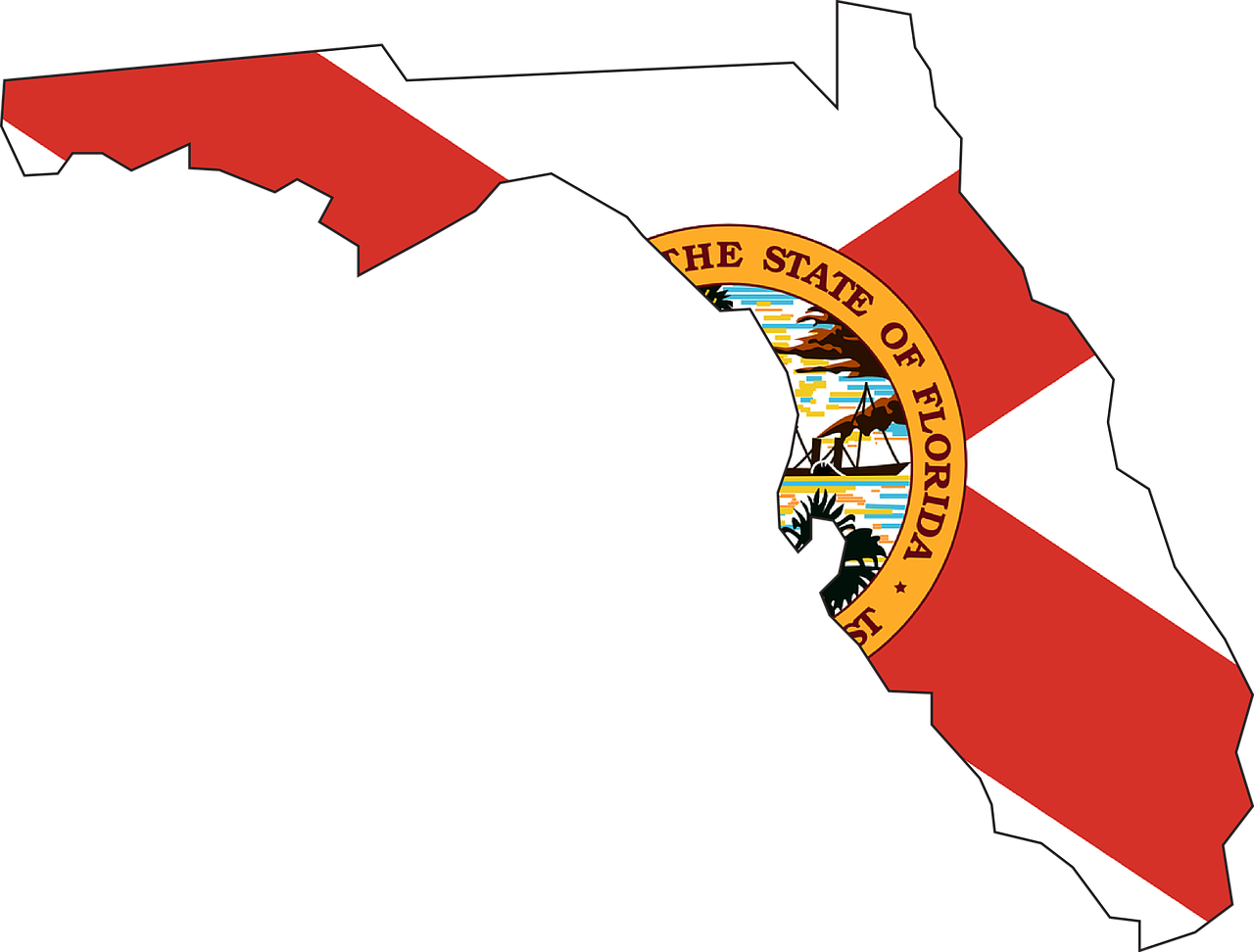
florida-890553_1280A new week brings new immigration news. Recently, a federal judge issued a temporary injunction blocking part of a Florida law that imposes criminal penalties on those who transport undocumented immigrants into the state of Florida, classifying such actions as felonies.

The order was made in response to a lawsuit filed by the Farmworker Association of Florida and seven individuals who feared traveling in and out of the state of Florida with undocumented friends and family members due to Florida’s controversial law.

In his ruling, Judge Roy Altman indicated that the Florida law is likely unconstitutional because the supremacy clause places the regulation of immigrants under the purview of the federal government.

In his preliminary order, the judge stated that Florida’s law is preempted by the federal government, “By making it a felony to transport into Florida someone who ‘has not been inspected by the federal government since his or her unlawful entry,’ [the law] extends beyond the state’s authority to make arrests for violations of federal immigration law and, in so doing, intrudes into territory that’s preempted.”

The judge further stated that any harm created by the injunction is outweighed by the harm suffered by the plaintiffs and the federal government. As a result, the Florida law will be halted until the judge rules on the merits of the case.

Continue reading