Articles Posted in Federal Register

update-1672349_1280On September 3, 2025, the Department of Homeland Security (DHS) announced the termination of the 2021 designation of Temporary Protected Status (TPS) previously granted to Venezuelans by President Biden.

The government’s actions mean that the 2021 designation for Venezuela TPS and any associated TPS-related protection and documentation for beneficiaries will expire on September 10, 2025. The termination becomes effective 60 days after publication of the Federal Register notice.

Venezuelans have long been targeted by the Trump administration due to organized crime from violent Venezuelan gangs such as the Tren de Aragua.

Therefore, it comes as no surprise that President Trump has called to dismantle TPS protections for Venezuelan nationals.

What this means


  • 2021 Venezuela TPS Designation: TPS will remain valid for current beneficiaries until September 10, 2025. The termination of the 2021 designation cannot take effect until 60 days after the termination notice is published in the Federal Register.

All TPS protection and associated work authorization will expire on the dates indicated above.

Continue reading

dollar-2931882_1280On Tuesday, the U.S. Citizenship and Immigration Services (USCIS) will issue a Federal Register notice enforcing new fees for certain immigration benefit requests postmarked on or after July 22, 2025. Benefit requests submitted to the agency without the proper fees will be rejected.

These new fees are part of the H.R. 1 Reconciliation Bill. A portion of these new fees will be deposited into a U.S. Treasury account that primarily funds the operations of USCIS.

Please be aware that the Federal Register Notice does not include all the new fees mandated by the new bill. The Department of Homeland Security (DHS) will issue a future announcement regarding the implementation of fees that have not been addressed in Tuesday’s notice.


What are the new fees?


Continue reading

statue-of-liberty-9275095_1280Today March 21, 2025, the Department of Homeland Security (DHS) released an advance copy of a notice in the Federal Register ending four Biden-era parole programs for Cuba, Haiti, Nicaragua, and Venezuela (CHNV).

When


The temporary parole period of aliens in the United States under the CHNV parole programs will terminate on April 24th (30 days from the date of the notice’s publication in the Federal Register)

Parolees without a lawful basis to remain in the United States following this termination of the CHNV parole programs must depart the United States before the program’s termination date.

Who will be impacted


Nationals from Cuba, Haiti, Nicaragua and Venezuela who flew to the U.S. under Biden’s CHNV humanitarian parole program.

Parolees granted admission under CHNV were given a temporary two-year parole period to remain in the U.S., work authorization, and protection from deportation. The purpose of the program was to reduce illegal immigration at the southern border and provide alternative legal avenues.

Approximately 532,000 nationals entered the United States using this program.

Termination of Employment Authorization Documents


Parole-based employment authorization for CHNV parolees will also automatically terminate on April 24th and will be revoked pursuant to 8 CFR 274a.14(b).

Expedited Removal


Following parole termination, DHS intends to promptly remove aliens who entered the United States under the CHNV parole programs, who do not depart the United States before their parole termination date and who do not have any lawful basis to remain in the United States.

Continue reading

international-2693195_1280-1The first 30 days of the Trump administration have involved dismantling Biden-era immigration protections including ending Temporary Protected Status (TPS) for Venezuelans, and now Haitians.

Before leaving office, the former Secretary of the Department of Homeland Security Alejandro Mayorkas had extended Temporary Protected Status (TPS) protections for Haiti for an 18-month period (until February 3, 2026).

Acting under the Trump administration, today DHS Secretary Kristi Noem partially vacated the Mayorkas extension reducing it from 18 months to 12 months.

As a result, Haiti’s TPS extension and new designation will end on August 3, 2025, instead of February 3, 2026, unless extended by the Trump administration.

First-time registration for Haitians seeking TPS protections will remain in effect until August 3, 2025, instead of February 3, 2026.

DHS said in a statement that by taking action it was making good on its promise to “rescind [Biden] policies that were magnets for illegal immigration,” highlighting that TPS is meant to provide only “temporary” immigration status to certain nationals from countries facing ongoing armed conflict, environmental disasters, and other extraordinary conditions.

The statement went on to say, “for decades the TPS system has been exploited and abused. For example, Haiti has been designated for TPS since 2010. The data shows each extension of the country’s TPS designation allowed more Haitian nationals, even those who entered the U.S. illegally, to qualify for legal protected status.”

Continue reading

donald-2911302_1280La administración Trump planea revocar la libertad condicional CHNV dejando a miles sin estatus legal


En un sorprendente giro, CBS News ha publicado nueva información sobre planes inminentes de la administración Trump para revocar el estatus legal de aquellos a quienes se les concedió un permiso de permanencia temporal en el país a base de los programas para los cubanos, haitianos, nicaragüensens, y venezolanos (conocidos como CHNV).

Se estima que más de 530,000 cubanos, haitianos, nicaragüenses y venezolanos se encuentran actualmente en los EE. UU. bajo estos programas.

¿Qué es la permanencia temporal CHNV?


El programa de permanencia temporal CHNV fue promulgado por primera vez en 2023 por la administración Biden. Al igual que el programa de permanencia temporal de “Unidos por Ucrania,” los ciudadanos de los países que calificaban (Cuba, Haití, Nicaragua y Venezuela) debían tener un patrocinador en los EE. UU., pasar verificaciónes de seguridad, y cumplir con otros criterios para obtener la admisión a los EE. UU.

A los admitidos se les concedió la entrada a los EE. UU. por un período temporal de hasta dos años, incluyendo la capacidad de solicitar autorización de empleo temporal con el Servicio de Ciudadanía e Inmigración de los EE. UU. (USCIS).

Después de la orden ejecutiva firmada por el Presidente Trump titulada “Asegurando Nuestras Fronteras,” el dia 28 de enero USCIS dejó de aceptar el Formulario I-134A, solicitud para ser patrocinador para estos programas de permanencia temporal a la espera de revisiones adicionales.

Esta fue la primera señal de problemas para el programa CHNV. También vale la pena destacar que la página web de permanencia temporal CHNV ya no está disponible en el sitio web de USCIS.

Aviso del DHS Para Revocar CHNV


Según documentos internos del gobierno revisados ​​por CBS News, el Departamento de Seguridad Nacional pronto publicará un aviso en el Registro Federal poniendo un fin a los programas de permanencia temporal de CHNV y revocando el estado de permanencia temporal de todos a quienes se les concedió la entrada a los Estados Unidos bajo los programas de permanencia temporal de CHNV.

Estas personas serán sometidas a un proceso de deportación si no tienen ningún otro fundamento legal para permanecer en el país.

Qué significa esto:

  • Aquellos cuya clasificación de permanencia temporal sea revocada y que no tengan otro estatus migratorio, serán inmediatamente inelegibles para permanecer en los Estados Unidos y ya no podrán trabajar de manera legal.
  • Deportaciones aceleradas: El Departamento de Seguridad Nacional ha ampliado los procedimientos de deportación acelerada, dirigidos a personas sin estatus legal
  • Vías legales alternativas: aquellos en los EE. UU. bajo permanencia temporal CHNV deben explorar vías legales alternativas para permanecer en los EE. UU. o prepararse para partir.

Continue reading

donald-2911302_1280Trump Administration Plans Revocation of CHNV Parole Leaving Thousands Without Legal Status


In a shocking turn of events, new information has been released by CBS News about the Trump administration’s imminent plans to revoke the legal status of those who were granted humanitarian parole under the Cuba, Haiti, Nicaragua, and Venezuela (CHNV) humanitarian parole programs.

It is estimated that more than 530,000 Cubans, Haitians, Nicaraguans and Venezuelans are currently in the U.S. under these programs.

What is CHNV Parole?


The CHNV parole program was first enacted in 2023 by the Biden administration. Much like the Uniting for Ukraine parole program, nationals from qualifying countries (Cuba, Haiti, Nicaragua, and Venezuela) were required to have a U.S.-based supporter, pass enhanced security vetting, and meet other criteria to gain admission to the U.S.

Those admitted were granted entry to the U.S. for a temporary period of up to two years, including the ability to apply for temporary employment authorization with the U.S. Citizenship and Immigration Services (USCIS).

Following President Trump’s day one executive order entitled, “Securing Our Borders,” on January 28th USCIS stopped the acceptance of Form I-134A, Online Request to be a Supporter and Declaration of Financial Support, for these parole programs pending further review. This was the first sign of trouble for the CHNV program. The CHNV parole webpage is no longer available on the USCIS website.

DHS Notice to Revoke CHNV


According to internal government documents reviewed by CBS News, the Department of Homeland Security will soon publish a notice in the Federal Register terminating the CHNV parole programs and revoking the parole status of all who were granted entry to the United States under the CHNV humanitarian parole programs.

Such individuals will be placed in removal proceedings if they do not have any other lawful basis to remain in the country.

What this means: 

  • Those whose parole classification is revoked, and who lack another immigration status, will be immediately ineligible to remain in the United States, and can no longer work on a lawful basis.
  • Accelerated Deportations: The Department of Homeland Security has expanded expedited removal procedures, targeting individuals without permanent legal status
  • Alternative Legal Pathways: those in the U.S. under CHNV parole must explore alternative legal avenues to remain in the U.S. or prepare to depart

Continue reading

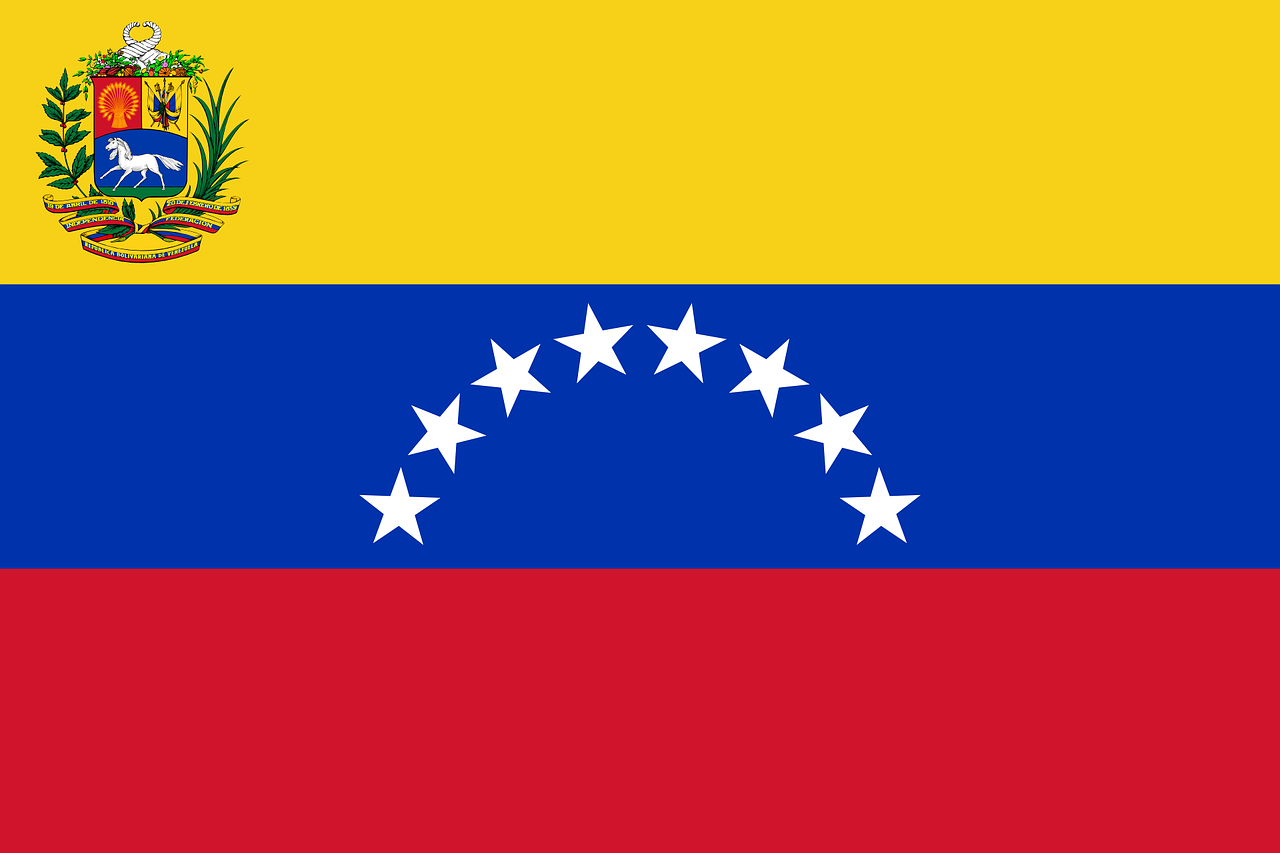
venezuela-162459_1280The Department of Homeland Security (DHS) has revoked an extension of Temporary Protected Status (TPS) previously granted to Venezuelans by President Biden, leaving more than 600,000 Venezuelans who are already in the United States in legal limbo. The extension would have provided benefits to Venezuelans through October 2, 2026.

As a result, the 2023 designation for Venezuela TPS and any associated TPS-related protection and documentation for beneficiaries will last through at least April 2, 2025.

Those who are registered under the 2021 Venezuela TPS designation will have TPS protection through at least September 10, 2025.

Venezuelans have long been targeted by the Trump administration due to organized crime from violent Venezuelan gangs such as the Tren de Aragua.

Therefore, it comes as no surprise that President Trump has called to dismantle TPS extensions for Venezuelan nationals.

What this means


According to a notice which is set to be published in the Federal Register on February 3, 2025, Venezuela’s 2021 and 2023 designations for Temporary Protected Status (TPS) will revert to their prior expiration dates as follows:

  • 2023 Venezuela TPS Designation: TPS is valid for current beneficiaries through April 2, 2025. DHS will need to determine whether to extend Venezuela’s 2023 designation by the deadline of Saturday, February 1, 2025. If DHS terminates Venezuela’s designation, the termination cannot take effect until 60 days after the termination notice is published in the Federal Register (no earlier than April 2nd)
  • 2021 Venezuela TPS Designation: TPS will remain valid for current beneficiaries through September 10, 2025. A decision on whether to extend this designation must be made by DHS by July 12, 2025. If DHS terminates Venezuela’s designation, the termination cannot take effect until 60 days after the termination notice is published in the Federal Register (no earlier than September 10th).

Continue reading

ukraine-7071043_1280We are pleased to report that the Department of Homeland Security recently announced that it will be extending Ukraine’s designation for Temporary Protected Status (TPS), for an 18-month period, from April 20, 2025, through October 19, 2026.

The extension was made based on the Secretary of Homeland Security’s assessment that Ukraine faces challenges that warrant ongoing humanitarian assistance based on the armed conflict and conditions preventing Ukrainian nationals from safely returning to their home country.

DHS estimates that Ukraine’s extension of TPS will allow approximately 103,700 current beneficiaries to re-register for TPS if they continue to meet the eligibility requirements.

TPS for Ukraine Informational Workshop


If you are in the San Diego area, the Law Offices of Jacob J. Sapochnick will be hosting an informational workshop about TPS benefits for Ukrainian nationals. We would be happy if you would join us.

When: Wednesday January 15, 2025 at 4 pm

Where: Mission Valley Library, Community Room

2123 Fenton Parkway San Diego, California

Who qualifies for TPS under Ukraine’s Designation?


You may be eligible to apply for TPS under Ukraine’s designation if you have continuously resided in the United States since at least August 16, 2023, and have remained continuously physically present in the United States since that date.

DHS reminds the public that TPS applications undergo rigorous national security and public safety vetting. If any individual is identified as posing a threat, they may be detained, removed, or referred to other federal agencies for further investigation or prosecution. Individuals are barred from receiving TPS if they have been convicted of any felony or two misdemeanors.

Re-registration for current TPS recipients


Current beneficiaries under TPS must re-register during the 60-day re-registration period which will soon be announced on Ukraine’s TPS webpage. Qualifying beneficiaries who re-register and continue to meet the TPS eligibility requirements will be able to retain their TPS benefits and employment authorization.

Re-registration is limited to individuals who previously registered for and were granted TPS under Ukraine’s initial designation. This population includes nationals of Ukraine (and individuals without nationality who last resided in Ukraine) who have been continuously residing in the United States since at least August 16, 2023, with or without lawful immigration status.

DHS recognizes that not all re-registrants may receive a new Employment Authorization Document (EAD) before their current EAD expires and is automatically extending work permits for 12 months, the validity of EADs previously issued under Ukraine’s TPS designation.

Continue reading

pennant-1689011_1280New changes to the H-1B work visa program are coming on January 17, 2025.

A new final rule published by the Department of Homeland Security (DHS) in the Federal Register lays out some of the critical changes that H-1B beneficiaries and U.S. employers can expect. These changes will become effective on January 17, 2025, just three days before the inauguration of Donald Trump.

While we do not know whether these changes will be overturned or modified by the Trump administration, it is important for both employers and beneficiaries to be aware of them.

Highlights of the Final Rule


  • Modernizes the definition and criteria for H-1B specialty occupations
  • Introduces cap-gap protections for F-1 students seeking a change of status to H-1B
  • Streamlines the processing of applications for individuals who were previously approved for an H-1B visa
  • Allows H-1B beneficiaries with a controlling interest in the petitioning organization to be eligible for H-1B status subject to certain conditions (such as founders and entrepreneurs)
  • Clarifies that employers must have a legal presence in the United States

Continue reading

border-6971270_1280Today, October 17, 2024, the U.S. government announced new measures providing immigration relief to Lebanese nationals currently residing inside the United States.

18-Month Designation of TPS for Lebanon


Firstly, the Department of Homeland Security (DHS) has announced the designation of Lebanon for Temporary Protected Status (TPS) for a period of 18 months. This decision marks Lebanon’s first designation for TPS.

This designation was made based on ongoing armed conflict and extraordinary and temporary conditions in Lebanon that prevent its nationals from safely returning to their country.

A notice will soon be published in the Federal Register confirming the Secretary of Homeland Security’s designation of Lebanon including more details regarding the designation. Lebanese nationals who are approved for TPS can lawfully remain in the United States while the security situation improves. Those who are eligible can apply for temporary employment authorization by filing Form I-765 Application for Employment Authorization at the same time of filing Form I-821, Application for Temporary Protected Status.

What We Know


To be eligible for TPS under the Lebanon’s designation, Lebanese nationals (and individuals having no nationality who last habitually resided in Lebanon) must demonstrate continuous residence in the United States since October 16, 2024.  Those who attempt to enter the United States after October 16, 2024, are ineligible for TPS. Lebanese nationals currently not residing in the United States are also ineligible to receive benefits.

The program’s effective date has not yet been announced but is expected to be published in the Federal Register in the coming weeks including the application instructions.

As a reminder, TPS applicants must meet all eligibility requirements and undergo security and background checks to gain approval.

Continue reading