Articles Posted in Travel Ban

map-of-the-world-2401458_1280

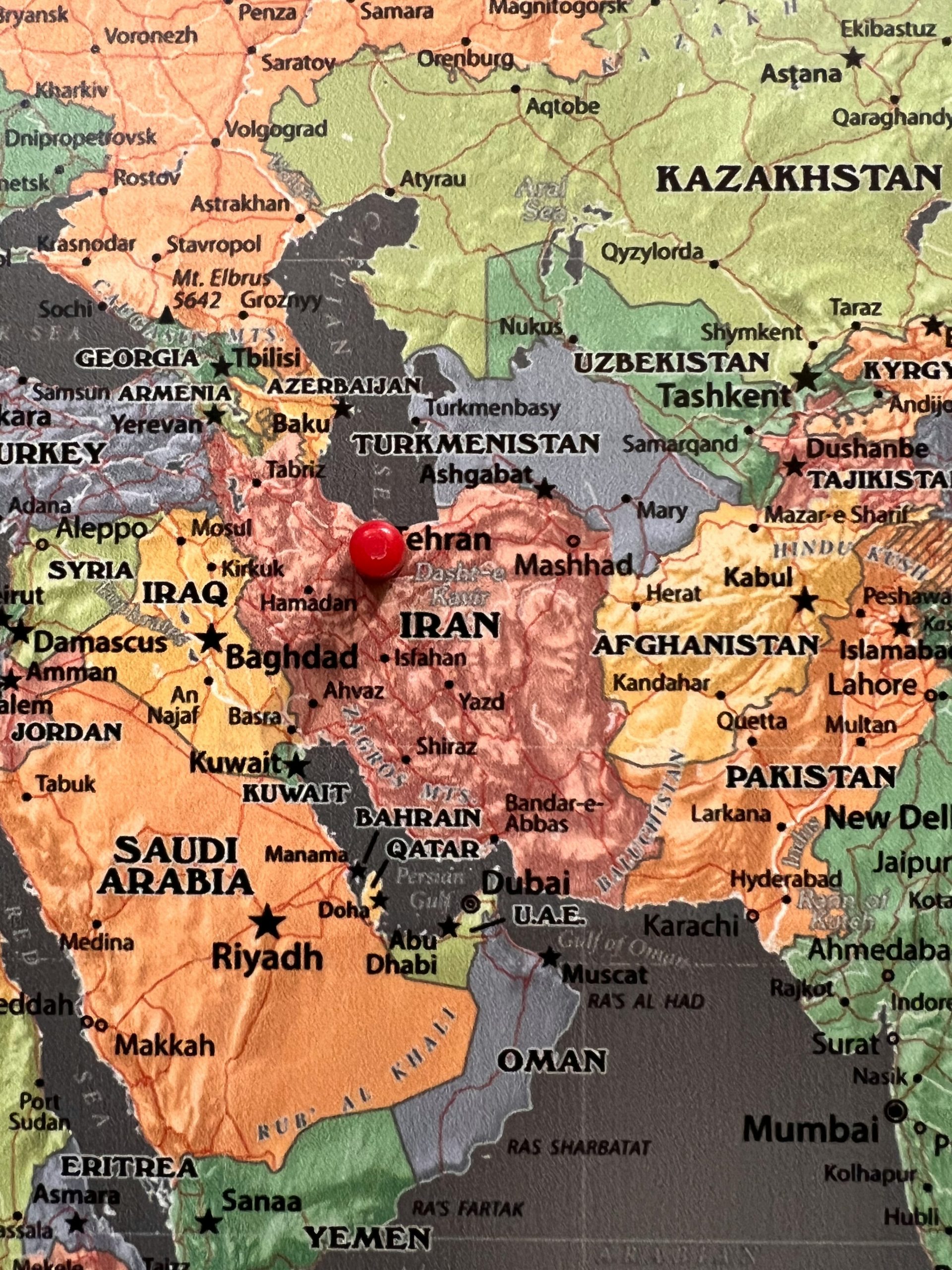
In a new change to U.S. consular policy, the State Department has announced it will indefinitely pause immigrant visa issuance for nationals of 75 countries (see listed countries below), while it establishes a process for determining whether applicants are likely to become financially dependent on the U.S. government (also known as public charge).

The agency initially announced the news on social media and later published official guidance on the State Department website.

Under this new suspension—effective January 21, 2026—U.S. consular posts overseas will not issue immigrant visas (including family- and employment-based green cards) for applicants from the listed countries until the public charge policy is implemented. Applicants from these countries may still submit applications and attend interviews, but visas cannot be printed and issued during the pause.

Many of the affected nations are already subject to full or partial travel bans, meaning the practical impact may be limited for some applicants. Dual nationals applying with a passport from a country not on the list are exempt from the suspension.

The reason behind this policy shift is a renewed focus on the statutory “public charge” ground of inadmissibility, which allows visa refusal when an applicant is deemed likely to depend on U.S. government financial assistance in the future. The reassessment follows updated internal guidance that broadens the factors consular officers consider—including health, age, education, employment prospects, and financial stability—in evaluating public charge risk.

It remains unclear how long the suspension will last or how the public charge review process will ultimately change. Immigrant visa applicants from the affected countries should monitor communications from the State Department and prepare for potential delays in visa issuance.

Continue reading

children-5606239_1280
Nearly 200 immigrants, including six from Massachusetts, have filed a federal lawsuit against the U.S. government over a sudden pause in processing green cards, citizenship applications, and asylum petitions. The pause was announced by U.S. Citizenship and Immigration Services (USCIS) shortly after the Trump administration expanded travel restrictions to 39 countries—20 of them facing partial restrictions.

Why USCIS Paused Green Card Processing for Travel Ban Countries


USCIS has paused the processing of green card applications for individuals from countries subject to the travel ban to ensure that all applicants are thoroughly vetted before being allowed to enter or remain in the United States. The agency stated that the pause allows it to review and strengthen security screenings for people from the affected countries. According to the Department of Homeland Security, the temporary halt is intended to maximize the effectiveness of background checks and other vetting procedures, with the goal of protecting public safety while the agency implements the updated immigration restrictions.

nils-huenerfuerst-xkq3mbthlh0-unsplash-scaledThe U.S. government has issued a revised travel ban that takes effect at 12:01 a.m. ET on January 1, 2026, significantly expanding restrictions on visa issuance for nationals of 39 countries and individuals travelling with Palestinian Authority–issued travel documents.

Under the new presidential proclamation, immigrant and nonimmigrant visas are fully suspended for nationals of 19 countries, which now include seven newly added nations. An additional 19 countries face partial restrictions — limiting immigrant visas and certain nonimmigrant categories (e.g., B, F, M, J visas). One country, Turkmenistan, now faces only immigrant visa restrictions.

Importantly, the ban does not revoke existing visas or apply to foreign nationals already in the United States on January 1, 2026, with valid visas. Other exceptions include U.S. lawful permanent residents, dual nationals travelling on a non-designated passport, certain diplomats, and athletes travelling for major events.

This expanded travel ban marks one of the most sweeping visa restrictions in recent U.S. policy, with potential impacts on U.S. employers, and visa holders.


What are the countries subject to full restrictions


The proclamation adds seven countries to the existing 12 countries whose nationals are barred from both immigrant and nonimmigrant visa issuance. The initial 12 countries with continued full visa restrictions are:

  • Afghanistan
  • Burma
  • Chad
  • Republic of Congo
  • Equatorial Guinea
  • Eritrea
  • Haiti
  • Iran
  • Libya
  • Somalia
  • Sudan
  • Yemen

The proclamation adds the following seven countries to the full restriction list:

  • Burkina Faso
  • Laos (previously on the June travel ban “partially restricted” list)
  • Mali
  • Niger
  • Sierra Leone (previously on the June travel ban “partially restricted” list)
  • South Sudan
  • Syria

Continue reading

washington-dc-4457050_1280

In the wake of a deadly shooting of two National Guard members in Washington, D.C., U.S. Citizenship and Immigration Services (USCIS) has been instructed to pause all asylum decisions until further notice.

Asylum officers at USCIS, a branch of the Department of Homeland Security, have been told to refrain from approving, denying or closing affirmative asylum applications received by the agency.

The directive comes after authorities reported that the perpetrator of the shooting was an Afghan national who had previously been granted asylum.

Officials have framed the pause as a measure to “reassess immigration and vetting procedures” in light of public safety concerns. This decision will create delays for thousands of asylum seekers who are already navigating a complex and uncertain system.

In-person appointments for applicants seeking updates on their cases are also canceled until further notice.

According to internal guidance, officers may continue conducting asylum interviews and reviewing cases up to the point of issuing a decision. “Once you’ve reached decision entry, stop and hold,” the directive stated.

On November 28th USCIS Director Joseph Edlow confirmed the news on X.

Continue reading

passport-8621284_1280

Harvard Travel Ban Blocked by Federal Judge

Earlier this month President Trump had signed an Executive Order suspending the entry of all nonimmigrants and exchange visitors attending Harvard University, for a period of 6 months starting June 4th (the effective date of the proclamation).

Those affected by the executive order were F, J, and M visa holders outside of the United States as of the date of the proclamation. The suspension did not apply to nonimmigrants entering the United States to attend other universities.

Shortly after the executive order was issued, a federal judge granted a preliminary injunction, temporarily halting its enforcement until the court can rule on the merits of the case.

Following the court’s actions, the State Department ordered embassies and consulates around the world to resume visa processing for Harvard University students and exchange visitors.

As a result, Harvard students can breathe easier. While the preliminary injunction remains in effect, consulates are barred from denying visas to Harvard students and exchange visitors, and visa holders attending Harvard cannot be refused entry to the United States.

For more information, please click here.

Continue reading

united-states-8911597_1280After months of speculation and buildup, President Trump’s long-anticipated travel ban has finally arrived.

Issued by executive order on June 4th President Trump’s travel ban entitled “Restricting the Entry of Foreign Nationals to Protect the United States from Foreign Terrorists and Other National Security and Public Safety Threats,” closely mirrors the leaked draft that first surfaced in early March through the New York Times.

That draft hinted at sweeping restrictions targeting so-called “red,” “orange,” and “yellow” countries—coded designations that formed the backbone of President Trump’s proposed directive.

While there are notable differences, as predicted, the administration has framed the ban as a national security measure, but critics argue it remains susceptible to being challenged or overturned through lawsuits that may soon be filed in federal court.

Here’s what you need to know.

President Trump’s travel ban goes into effect today Monday June 9, 2025, at 12:01 am Eastern Daylight time.


Who it Affects


Full Suspension on Nationals from Countries of Concern

The travel ban temporarily suspends the entry of both immigrants and non-immigrants from 12 designated countries who are outside the United States and do not have a valid visa on the effective date of the proclamation, including Afghanistan, Burma, Chad, the Republic of the Congo, Equatorial Guinea, Eritrea, Haiti, Iran, Libya, Somalia, Sudan, and Yemen.

However, several key exceptions apply for lawful permanent residents (LPRs), immediate family members of U.S. citizens, dual nationals, athletes and teams competing in major international sporting events such as the World Cup and the Olympics, and others (a full list of exceptions is provided below).

Continue reading

ai-generated-8775943_1280We knew it was coming. The Trump administration is preparing to roll out a new ban on travel to the United States, restricting the entry of citizens from certain countries for which vetting and screening warrants a partial or full suspension of admission to the United States. This travel restriction is rumored to take place by executive action next week.

If this sounds like déjà vu, that’s because it is.

During his first term in office, in 2017 Trump signed Executive Order 13769 entitled, “Protecting the Nation from Foreign Terrorist Entry into the United States,” which banned nationals from seven Muslim-majority countries from entering the United States for a period of 90 days.

This executive order caused international chaos, due to several key provisions:

  • It suspended the entry of immigrants and non-immigrants from seven predominantly Muslim countries including Iran, Iraq, Libya, Somalia, Sudan, Syria, and Yemen – for 90 days
  • The order indefinitely suspended the entry of Syrian refugees
  • It reduced the number of refugees to be admitted to the United States in 2017 to 50,000
  • The U.S. Refugee Admissions Program (USRAP) was suspended for 120 days

Implementation of this executive order led to controversy and numerous legal challenges:

  • More than 700 travelers were detained, and up to 60,000 visas were “provisionally revoked”
  • Protests and chaos erupted at airports across the country
  • Multiple lawsuits were filed in federal court challenging its constitutionality

Continue reading

donald-trump-2030308_1280In this blog post, we discuss how Trump’s return to the White House on January 20th could impact employment-based visa applicants and their employers in the years ahead.

While the Trump campaign has been very vocal about their zero-tolerance policy toward illegal immigration, much less has been said about employment-based immigration. For that reason, it has been hard to know exactly what lies ahead for foreign workers.

While we don’t have all the answers, Trump’s track record on employment-based immigration helps provide insights into the changes we are likely to see during his second term.

To help readers understand how the incoming Trump administration may impact employment-based immigration, we have drawn up the top five areas where there is a high likelihood that changes may be introduced either by executive action or internal policymaking.

This information is based on our collective experience dealing with immigration agencies during Trump’s first term in office. Readers should be aware that none of this information is set in stone. Immigration policies are likely to evolve as the Trump administration settles in and as the political climate becomes more balanced.


Increasing Vetting and Processing Times for Employment-Based Workers


Foreign workers who plan to file employment-based cases should be aware of the following potential changes in the months ahead.

  1. The Return of Employment-Based Green Card Interviews?

In 2017, the Trump administration made the employment-based green card application process much more difficult when it required adjustment of status applicants to attend in-person interviews.

This directive was handed down with the passage of Trump’s executive order known as “Protecting the Nation from Foreign Terrorist Entry Into the United States.” This executive order was meant to crack down on immigration, by combating fraud and abuse in the green card process.

The decision to reinstate visa interviews for employment-based green card applicants led to a sharp increase in processing times at USCIS offices nationwide. This was due to the increased demand for interviews and limited resources available to accommodate the surge in applicants.

While in-person interviews are generally required under the law, prior to Trump’s presidency, the U.S. Citizenship and Immigration Services (USCIS) waived in-person interviews for a broad category of applicants, including employment-based green card applicants to better allocate resources toward higher risk cases.

Continue reading

usa-1327105_1280The U.S. presidential election is set to be held in just fifteen days and the stakes couldn’t be higher for immigrants at the mercy of our broken immigration system.

In this blog post, we discuss where the presidential candidates Kamala Harris and Donald Trump stand on key issues relating to immigration.


What would immigration look like under the Harris administration?


Vice President Kamala Harris is expected to continue many of the immigration policies proposed under President Biden. Among them, illegal immigration continues to be a hot button issue.

Illegal Immigration

Harris plans to tackle the border crisis by pushing for bipartisan legislation that would provide additional funding to hire thousands of new border patrol agents to secure our southern border.

In keeping with Biden’s proposals, Kamala also supports closing the border once border crossings have reached an average of more than 5,000 migrants per day over a week period. She has also said she will throw her support behind Biden’s policies barring asylum applications from individuals crossing the border illegally.

Since becoming Vice President, she has become tougher on illegal immigration telling CNN, “We have laws that have to be followed and enforced that address and deal with people who cross our border illegally. And there should be consequences.”

Concerning pathways to permanent residence, she supports “an earned pathway to citizenship” for undocumented immigrants. However, no details have been provided by her campaign regarding necessary criteria to become legalized.

Continue reading

martin-sanchez-j2c7yf223Mk-unsplash-scaled

Welcome back to Visalawyerblog! We hope that you had a restful Thanksgiving holiday break with your friends and family members.

In this blog post, we share with you some unfortunate new developments relating to the ongoing Coronavirus pandemic that will restrict the entry of foreign nationals from certain countries to the United States.

Just as the United States was beginning to ease restrictions on international air travel for the fully vaccinated starting November 8th, the world has once again been thrown into turmoil as a new Coronavirus variant known as “omicron” has been revealed with new cases emerging throughout Europe, Australia, South Africa, and the Netherlands.


President Biden Signs New Travel Ban Proclamation Amid Omicron Variant impacting South Africa, Botswana, Zimbabwe, Namibia, Lesotho, Eswatini, Mozambique, and Malawi


President Biden and his Chief Medical Adviser were briefed on the unfolding situation, and on Friday, November 26, 2021, President Biden signed Presidential Proclamation, “A Proclamation on Suspension of Entry as Immigrants and Nonimmigrants of Certain Additional Persons Who Pose a Risk of Transmitting Coronavirus Disease 2019,” that restricts the entry of non- U.S. Citizens who were physically present within the Republic of South Africa, Republic of Botswana, Zimbabwe, Republic of Namibia, Kingdom of Lesotho, Kingdom of Eswatini, the Republic of Mozambique, and Republic of Malawi, during the 14-day period preceding their entry or attempted entry to the United States.

The new travel ban becomes effective at 12:01 a.m. eastern standard time on Monday, November 29, 2021, as part of a global effort to reduce the spread of the omicron variant to the United States. The Proclamation does not apply to persons aboard a flight scheduled to arrive in the United States that departed prior to 12:01 am eastern standard time on November 29th.

While no confirmed cases of the variant have yet been announced in the United States, the Chief Medical Adviser has explained that its eventual spread will be inevitable. The new travel ban indicates that the Republic of South Africa informed the World Health Organization (WHO) of the new Omicron variant on November 24, 2021, and two days thereafter the WHO announced the new “Omicron” variant as a cause for concern that has been increasing in almost all provinces in the Republic of South Africa. Based on this information, and the lack of genomic sequencing throughout Southern Arica, the government has imposed the new travel restrictions from the named regions.


How long will the travel ban last?


At this time, we do not know how long the bans will remain in place, however it is very likely that they will remain until the Biden administration believes it is safe to rescind the travel bans. As has occurred with the previous COVID-19 geographic travel bans, it is highly likely that the new travel ban will remain in place until it is determined that current vaccinations approved by the U.S. Centers for Disease Control and Prevention are effective against the emerging Omicron variant. The Proclamation indicates that it will remain in effect until terminated by the President. Within 30 days, the Secretary of Health and Human Services must recommend whether the President should continue, modify, or terminate the Proclamation.

Continue reading